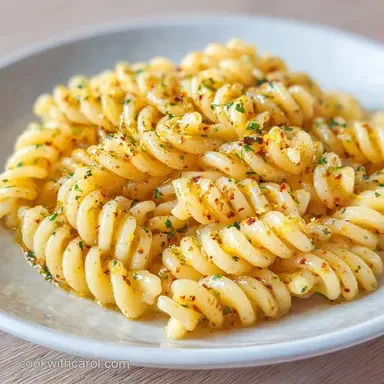
Al Dente Summer Pasta: Zesty and Firm
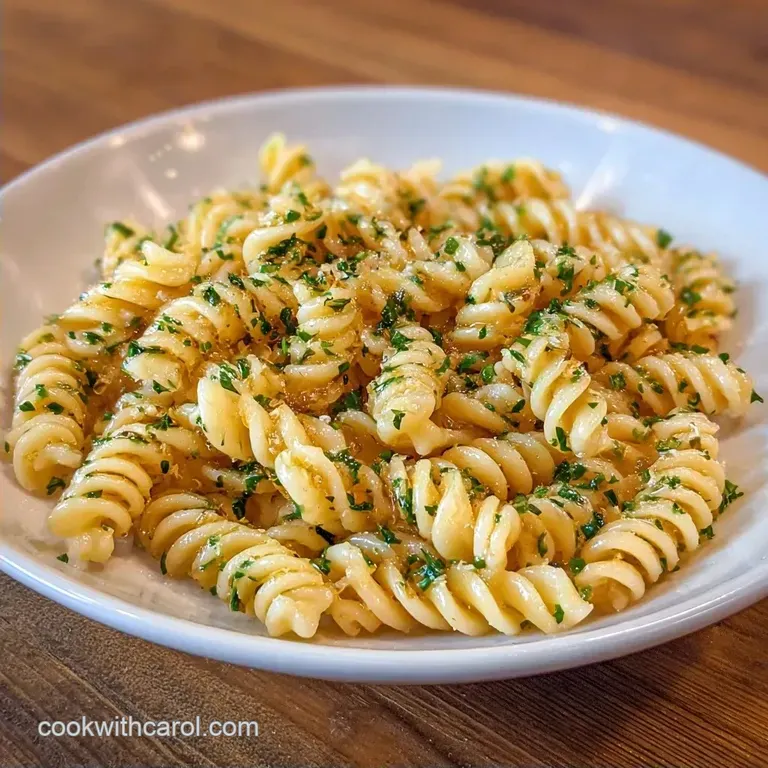
- Time:10 minutes active + 12 minutes cooking
- Flavor/Texture Hook: Zesty lemon brightness with a snappy, firm bite
- Perfect for: Sunny potlucks, meal prep, or a light weeknight dinner
Listen, I used to be the person who followed the pasta box instructions to the letter. I'd wait for that "al dente" window, drain the pot, and toss everything together. But by the time that bowl hit the table at a BBQ, the noodles had turned into soft, sad sponges that tasted more like the container than the dressing.
It was a total letdown every single time.
Right then, I realized the biggest lie in the kitchen is that "al dente" on the box means "al dente" in a cold salad. Because the pasta continues to cook in its own heat after you drain it, and then it absorbs the vinaigrette, you have to aim for something I call "aggressive firmness." If it feels slightly too hard when you taste it in the pot, it's actually exactly where it needs to be.
This Al Dente Summer Pasta is all about that contrast. You want the snap of the cucumber, the pop of the cherry tomatoes, and a noodle that actually fights back a little when you bite into it. We're ditching the mush and embracing a bright, zesty profile that doesn't feel heavy in the July heat. Trust me, once you try the flash chill method, you'll never go back to the old way.
The Best Al Dente Summer Pasta
Most people treat pasta salad as a "dump and stir" kind of meal, but that's why so many versions end up tasting bland or feeling slimy. The problem is usually the starch. When pasta sits in a dressing, it continues to release starch and absorb liquid, which softens the exterior and makes the whole dish feel heavy.
By shifting the timing and the temperature, we can lock in that structure.
I've found that the key is to treat the pasta and the dressing as two separate entities until the very last second. If you dress the pasta while it's still warm, the oil separates and the noodles soak up all the flavor, leaving the vegetables tasting plain.
By chilling the noodles first, the dressing clings to the surface rather than soaking into the core, keeping the flavor profile bright and the texture snappy.
Whether you're making this for a crowd or just a quick lunch, the goal is consistency. You want a velvety coating of lemon and oil on a noodle that still has a distinct center. This approach transforms a basic side into something that feels intentional and fresh. Let's crack on with how this actually works.
Why This Works
The Cold Shock: Rinsing the pasta in cold water immediately stops the cooking process and washes away excess surface starch. This prevents the noodles from sticking together and keeps them from absorbing too much dressing.
Under Cooking Strategy: Removing pasta 2 minutes early ensures the core remains firm. As the pasta sits in the fridge, the residual moisture and dressing finish the "cooking" process without making it mushy.
Acid Fat Balance: The lemon juice breaks down the richness of the olive oil. According to the guides at Bon Appétit, a proper emulsion of acid and fat ensures the dressing coats the ingredients evenly rather than pooling at the bottom.
Salt Saturation: Using a generous amount of coarse sea salt in the boiling water seasons the noodle from the inside out. This means the pasta doesn't taste bland even after you add the fresh vegetables.
| Method | Texture | Flavor Depth | Best For |
|---|---|---|---|
| Fresh Boiled | Soft/Tender | Mild | Hot pasta dishes |
| Flash Chilled | Snappy/Firm | High | Cold salads |
| Pre Cooked/Store | Rubbery | Low | Extreme rush |
Ingredient Component Analysis
When you're building an Al Dente Summer Pasta, every ingredient has a job. You can't just throw in any vegetable; you need things that hold their structure against the weight of the pasta.
If you use something too watery, like a cheap supermarket cucumber, your dressing will dilute and turn into a watery mess within an hour.
I always suggest using English cucumbers because they have thinner skins and smaller seeds, meaning less water leakage. The same goes for the red onion - dicing it finely ensures you get the bite without a harsh, raw onion taste dominating the whole bowl.
| Ingredient | Science Role | Pro Secret |
|---|---|---|
| Fusilli/Rotini | Surface Area | The spirals act like "screws" to hold onto the vinaigrette |
| Lemon Juice | Protein Tenderizer | Adds brightness and prevents the feta from tasting too heavy |
| Extra Virgin Olive Oil | Flavor Carrier | Use a cold pressed oil to keep the peppery notes intact |
| Feta Cheese | Salty Contrast | Fold it in last to prevent it from melting or blurring the colors |
Essential Tool List
You don't need a professional kitchen to pull this off. In fact, using too many tools just means more cleanup. I usually just use a large pot and two mixing bowls. The key is having a colander that actually drains quickly so you can get to the rinsing stage without delay.
If you have a whisk, use it for the dressing. If not, a glass jar with a lid works even better because you can shake the oil and lemon juice into a tight emulsion. For the vegetables, a sharp chef's knife is non negotiable - you want clean cuts on those cherry tomatoes so they don't squish and leak juice all over your cutting board.
Step-by-step Cooking Guide
Right then, let's get into the actual process. Keep an eye on your timer, because those last two minutes of boiling make all the difference for your Al Dente Summer Pasta.
- Bring a large pot of water to a rolling boil. Stir in the coarse sea salt and add the pasta, stirring immediately to prevent sticking. Note: The salt doesn't just flavor the pasta; it raises the boiling point slightly.
- Cook the pasta until it is 2 minutes before the package's al dente suggestion. Taste a noodle; it should have a tiny, firm white dot in the center.
- Drain the pasta into a colander and immediately rinse with cold water for 30 seconds. Listen for the sizzle of the heat leaving the pot as you shock the noodles.
- In a medium mixing bowl, whisk together the olive oil, lemon juice, lemon zest, minced garlic, dried oregano, salt, and black pepper. Whisk until the mixture looks opaque and velvety.
- In a large mixing bowl, combine the chilled pasta, halved cherry tomatoes, diced cucumber, diced red onion, and chopped parsley.
- Pour the lemon vinaigrette over the pasta mixture and toss gently to coat. Ensure every spiral is glistening.
- Gently fold in the crumbled feta cheese. Note: Be gentle here so the feta stays in chunks rather than coating everything in white streaks.
Fixing Common Issues
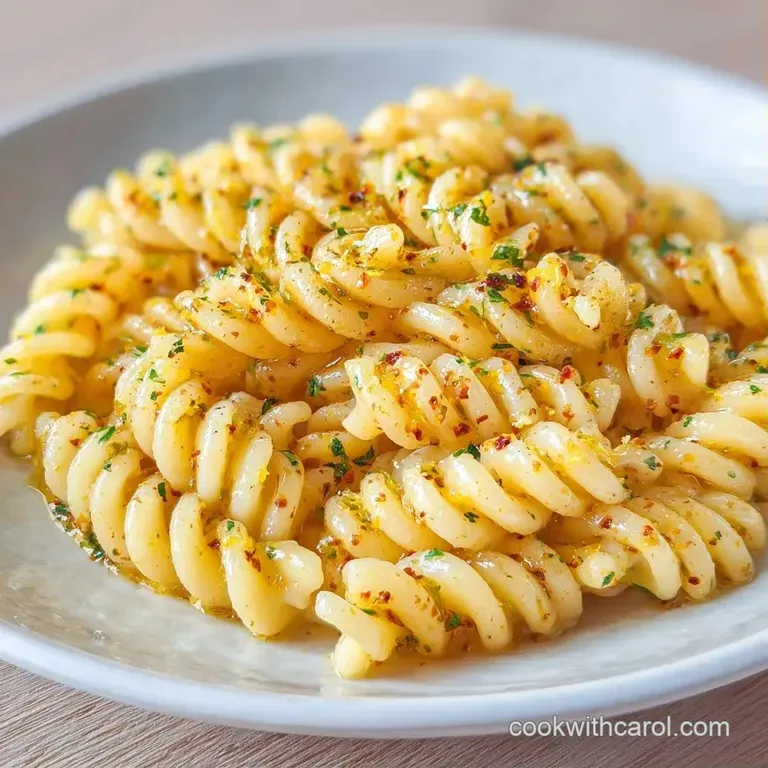
The most common complaint with this dish is usually texture. Either the pasta is too hard (which is rare if you follow the 2 minute rule) or it's too soft. If you find your noodles are consistently mushy, you might be letting them sit in the colander too long before rinsing.
The heat trapped in the pasta continues to cook it even after it's out of the water.
Another issue is "watering down." This happens when the salt draws moisture out of the cucumbers and tomatoes. To avoid this, don't salt the vegetables directly; let the dressing do the work.
The Pasta is Clumping Together
If your noodles are sticking, it's usually because they weren't rinsed thoroughly enough or you didn't stir them immediately after adding them to the boiling water. The surface starch acts like glue.
The Dressing Feels Too Tart
This happens if your lemons are particularly acidic. You can balance this by adding a tiny pinch of sugar or a drizzle of honey, which cuts through the sharpness without making the salad sweet.
| Problem | Root Cause | Solution |
|---|---|---|
| Mushy Noodles | Overcooked or not rinsed | Pull pasta 2 mins early; flash chill immediately |
| Watery Dressing | Salt drew out veg moisture | Add dressing just before serving or use English cucumbers |
| Bland Taste | Under salted pasta water | Use 2 tbsp coarse salt per pot of water |
Common Mistakes Checklist
- ✓ Did you rinse the pasta with cold water for at least 30 seconds?
- ✓ Did you pull the pasta 2 minutes before the box instructions?
- ✓ Did you whisk the dressing until it was fully emulsified?
- ✓ Did you fold in the feta last to keep the crumbles intact?
- ✓ Did you use a large enough pot to let the pasta move freely?
Easy Ingredient Swaps
Depending on what's in your fridge, you can tweak this Al Dente Summer Pasta without ruining the vibe. If you're looking for something a bit more hearty, you can add a protein. I've found that grilled chicken or chickpeas work brilliantly here. If you prefer a different flavor profile, check out my Zesty Italian Pasta Salad for a more vinegary kick.
When swapping the cheese, remember that feta is very salty and tangy. If you use mozzarella, you'll need to increase the salt in your dressing to compensate for the milder flavor.
| Original Ingredient | Substitute | Why It Works |
|---|---|---|
| Fusilli (1 lb) | Penne or Farfalle | Similar shapes that hold dressing. Note: Farfalle takes slightly longer to cook |
| Feta Cheese | Goat Cheese | Similar tanginess. Note: Results in a creamier, softer texture |
| Red Onion | Shallots | Milder flavor. Note: Better for those who find red onion too sharp |
| Fresh Parsley | Fresh Basil | Classic Italian pairing. Note: Adds a sweeter, more peppery aroma |
For those who want a different take on lemon pasta, you might enjoy a Lemon Olive Oil Pasta which is served warm. The difference in temperature completely changes how the lemon interacts with the starch.
Scaling the Recipe
If you're feeding a crowd, don't just multiply everything by four. When scaling up an Al Dente Summer Pasta, the liquids don't always follow a linear path. I've noticed that if you quadruple the recipe, you only need about 3x the dressing because the pasta doesn't absorb as much proportionally when in a larger mass.
Scaling Down (Half Batch): Use a smaller pot to ensure the water boils quickly. Beat one egg (if adding a binder) or simply halve the measurements. Reduce the cooking time by about 30 seconds since smaller amounts of pasta can sometimes cook faster in a high volume of water.
Scaling Up (Double or Triple): Work in batches when rinsing the pasta. If you dump 3 lbs of pasta into a colander, the middle stays hot and continues to cook, leading to the "mushy center" problem. Use two colanders if you have them. Increase the salt and spices to 1.5x first, then taste and add more.
You can always add more salt, but you can't take it out.
Pasta Truths
Let's clear some things up. I often hear people say that rinsing pasta is a "sin" in the culinary world. While that's true for a hot pasta carbonara or a bolognese where you need the starch to thicken the sauce, it's a total myth for cold salads. In an Al Dente Summer Pasta, starch is your enemy.
It's what makes the noodles gummy. Rinsing is the only way to get that clean, professional snap.
Another myth is that adding oil to the pasta water prevents sticking. It doesn't. The oil just floats on top of the water and then coats the noodles, which actually prevents the dressing from sticking to them later. Just stir the pasta frequently in the first two minutes of boiling, and you'll be fine.
Keeping It Fresh
This dish is a powerhouse for meal prep, but it has a shelf life. The feta and fresh vegetables will eventually break down.
Storage Guidelines: Store your Al Dente Summer Pasta in an airtight glass container in the fridge for up to 4 days. I prefer glass because plastic can absorb the lemon scent and sometimes lets in too much air, which wilts the parsley.
Freezing: Honestly, don't bother freezing this. Once you freeze and thaw cucumber and tomato, they turn into a watery mush. If you must freeze the base, freeze only the cooked, rinsed pasta in a flash freeze layer on a baking sheet before bagging it.
Then, add fresh veggies and dressing when you're ready to eat.
Zero Waste Tips: Don't toss those lemon peels! After you zest and juice your lemons, put the peels in a jar with vinegar for a homemade cleaner. Similarly, use the cucumber ends and onion scraps in a veggie scrap bag in the freezer; once it's full, boil it all for a quick vegetable stock. According to the USDA FoodData, maintaining the nutrient density of your produce means using as much of the plant as possible.
Tasteful Pairing Suggestions
Since this Al Dente Summer Pasta is so bright and zesty, you want pairings that either complement that acidity or provide a rich contrast. I love serving this alongside a charred corn on the cob with a bit of lime butter. The smokiness of the corn balances the sharpness of the lemon.
For a full meal, pair it with a grilled protein like lemon garlic shrimp or a piece of seared salmon. If you're keeping it vegetarian, a side of grilled halloumi provides a salty, chewy texture that mirrors the feta in the pasta.
For drinks, a crisp Sauvignon Blanc or a sparkling lemonade with a sprig of mint is the way to go. The carbonation of a drink cuts through the olive oil, refreshing your palate between bites of the savory pasta.
It's a simple combination, but it's exactly what a summer lunch should feel like - effortless, bright, and satisfying.
Recipe FAQs
How to cook pasta for a pasta salad?
Cook until 2 minutes before the package's al dente suggestion. This ensures the pasta maintains a slight firmness in the center and doesn't become mushy after rinsing.
How to make this pasta salad more flavorful?
Whisk the olive oil, lemon juice, garlic, and oregano until fully emulsified. A stable emulsion ensures the dressing clings to every noodle rather than pooling at the bottom.
Is it true that rinsing pasta removes all the flavor?
No, this is a common misconception. Rinsing for 30 seconds with cold water is necessary to shock the noodle, stop the cooking process, and prevent sticking.
How to prepare the salad for the best texture?
Toss the chilled pasta with the fresh vegetables first. Fold in the crumbled feta cheese last to prevent the cheese from breaking down or coloring the pasta.
Can I substitute the fusilli with other pasta shapes?
Yes, any short pasta like rotini works perfectly. If you enjoyed the bright profile of this dish, see how we apply a similar citrus balance in our lemon herb pasta.
What makes this a healthier option than traditional macaroni salad?
The replacement of mayonnaise with a lemon vinaigrette. Using extra virgin olive oil and fresh lemon juice provides heart healthy fats and a lighter, fresher taste.
How to keep the pasta from sticking together?
Stir the pasta immediately after adding it to the boiling water. This prevents the noodles from clumping during the initial stages of cooking.
Al Dente Summer Pasta