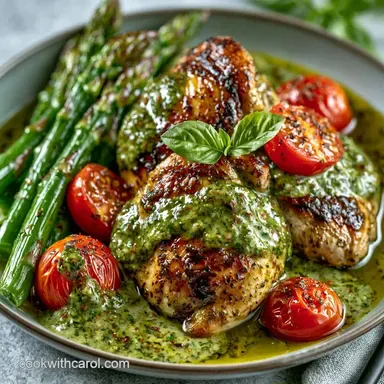
Creamy Chicken Pesto Skillet in 30 Minutes
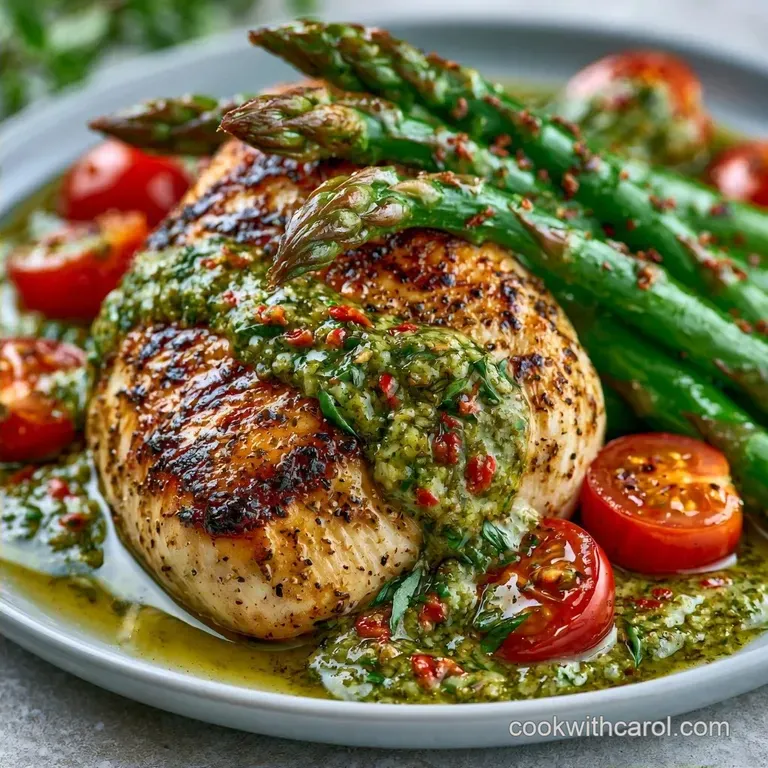
- Time: 10 minutes prep + 20 minutes on heat
- The Highlight: A deep brown crust paired with a velvety sauce
- Perfect for: Busy weeknights
The sound of chicken cubes hitting a hot pan, that sharp sizzle, is where the magic begins. I used to just simmer everything together in one pot, but the meat always came out gray and dull. Now, I wait for that deep brown crust before adding any liquid.
This Chicken Pesto Skillet is my go to when I have zero energy but want something that feels like a restaurant meal. It uses a few smart shortcuts that make it feel special without needing an entire afternoon in the kitchen.
The hero here is the basil pesto. Since it already has garlic, oil, and nuts, it does most of the heavy lifting for you. You just need to add a bit of brightness to balance the richness.
Chicken Pesto Skillet Dinner
Right then, let's look at how this version compares to a traditional slow cooked Italian meal. Most people think you need hours of simmering for deep flavor, but high heat and a few fresh additions do the trick in half the time.
| Method | Time | Texture | Best For |
|---|---|---|---|
| Sauté & Simmer | 30 min | Creamy & Fast | Weeknights |
| Oven Braise | 1.5 hrs | Tender & Soft | Sunday Dinner |
This approach focuses on speed and high impact flavors. By searing the protein first, we get a depth of flavor that you simply can't find in a slow cooker.
Why the Texture Works
Two main factors make this Chicken Pesto Skillet a success: heat and fat.
- The Brown Crust: Browning the meat first develops a savory depth of flavor. This is far superior to meat that is simply simmered in sauce.
- Sauce Stability: Heavy cream prevents the pesto from splitting. This ensures the sauce coats the chicken evenly rather than settling at the bottom of the pan.
What You'll Need
I recommend using boneless, skinless chicken breasts as they cook quickly and consistently. If you're looking for a budget friendly option, chicken thighs are a good alternative, though they introduce more fat to the pan.
Regarding the greens, asparagus is perfect when kept crisp tender. Cherry tomatoes are a must, as they burst during the sauté process to provide a natural acidity that balances the heavy cream.
- 1.5 lb boneless, skinless chicken breasts, cut into 1 inch cubes Why this? Consistent sizing ensures even cooking (Substitute: Chicken thighs for more moisture)
- 2 tbsp olive oil Why this? Ideal for high heat searing (Substitute: Avocado oil)
- 1 cup cherry tomatoes, halved Why this? Provides a sweet and tangy contrast (Substitute: Diced Roma tomatoes)
- 1 lb asparagus, trimmed and cut into 2 inch pieces Why this? Contributes a fresh, earthy snap (Substitute: Green beans)
- 1/2 tsp salt Why this? Brings out the overall taste (Substitute: Sea salt)
- 1/4 tsp black pepper Why this? Provides a hint of spice (Substitute: White pepper)
- 1/2 cup basil pesto Why this? Serves as the main flavor profile (Substitute: Vegan pesto)
- 1/2 cup heavy cream Why this? Ensures a thick, velvety sauce (Substitute: Full fat coconut milk)
- 1/3 cup freshly grated Parmesan cheese Why this? Offers a savory, nutty punch (Substitute: Pecorino Romano)
- 1 tbsp lemon juice Why this? Cuts through the richness (Substitute: White wine)
Simple Kitchen Tools
You don't need much for this Chicken Pesto Skillet. A 12 inch skillet is the best choice because it provides enough surface area for the chicken to sear without crowding. If you crowd the pan, the meat will steam instead of brown.
A sturdy spatula or tongs will help you flip the chicken. I also recommend a whisk or a wooden spoon to deglaze the pan, which means scraping up all those brown bits from the bottom. Those bits are essentially concentrated flavor.
Making the Meal
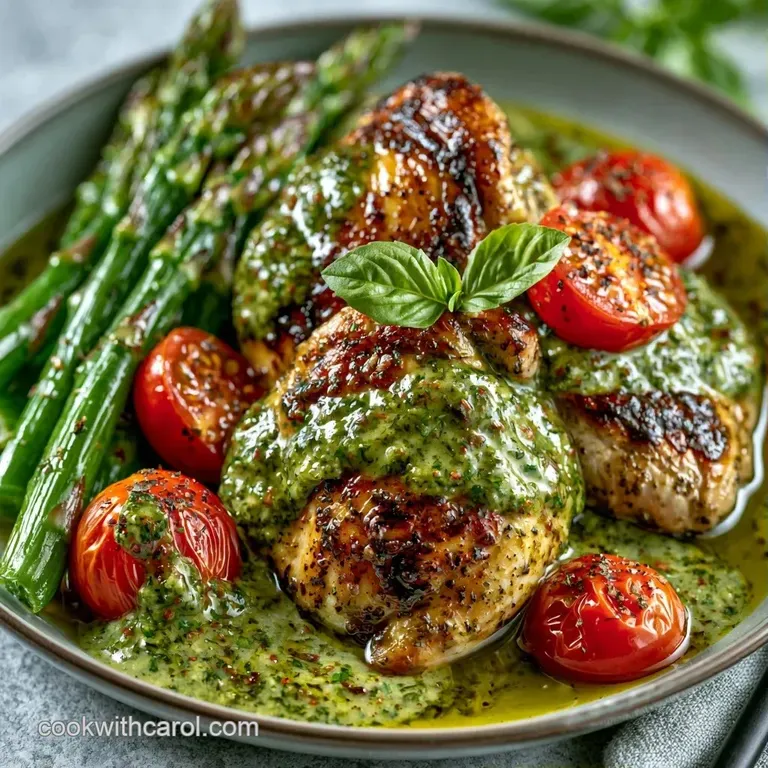
- Pat the chicken cubes dry with a paper towel. Note: Wet meat won't sear, it will just steam.
- Heat olive oil in a 12 inch skillet over medium high heat.
- Add chicken in a single layer and cook without stirring for 3-4 minutes until a mahogany colored crust forms.
- Flip the chicken and cook for another 3 minutes until golden on all sides.
- Remove chicken from the pan and set it aside on a plate.
- Add the asparagus and cherry tomatoes to the same skillet. Sauté for 4-5 minutes until the asparagus is bright green and tomatoes soften.
- Reduce heat to medium low. Stir in the basil pesto and heavy cream, scraping the bottom of the pan. Stir constantly for 2 minutes until the sauce bubbles gently.
- Return the seared chicken and any resting juices back into the skillet.
- Stir in the grated Parmesan cheese and lemon juice.
- Simmer for another 2-3 minutes until the sauce thickens and clings to the chicken. Remove from heat immediately.
The Trick Behind the Texture
The most important part of this Chicken Pesto Skillet is the order of operations. If you add the cream too early, the chicken won't brown. If you add the lemon juice too early, the cream might curdle.
By searing first and adding the acidic elements at the very end, we preserve the integrity of the sauce. This creates a velvety finish that coats the ingredients without breaking.
Fix Common Issues
When I first started making this, I often overcooked the vegetables. The key is to keep them moving so they don't burn.
Thin Sauce Fix
If your sauce looks too runny, simmer it for an extra 2-3 minutes on medium heat. You can also stir in an extra tablespoon of Parmesan cheese to help it bind and thicken.
Pesto Color Loss
Pesto turns brown if it's boiled for too long. To keep that vibrant green, only simmer the sauce for a few minutes and remove it from the heat as soon as it thickens.
Rubbery Chicken Fix
This usually happens when the pan isn't hot enough or you stir the meat too often. Let the chicken sit undisturbed for those first 4 minutes to ensure a proper sear.
Store and Save
This Chicken Pesto Skillet keeps well in the fridge for 3 to 4 days. Store it in an airtight glass container to keep the flavors from absorbing other fridge smells.
When reheating, do it gently. Use a skillet over low heat and add a splash of water or cream to loosen the sauce. Microwaves can make the chicken rubbery and cause the sauce to separate, so the stovetop is a better bet.
To reduce waste, use any leftover asparagus woody ends or tomato stems to start a vegetable stock. If you have a bit of pesto left in the jar, freeze it in ice cube trays for future pasta dishes.
Tasty Variations
If you want to change things up, this recipe is very flexible. For a more filling meal, you can serve this over a bed of pasta. I've found that a Pesto Chicken Penne recipe works great for those who want more carbs.
For something a bit more earthy, you can swap the asparagus for mushrooms. A Mushrooms in 30 Minutes recipe adds a deep umami flavor that pairs well with the cream.
If you're watching your carbs, serve the skillet as is, or over cauliflower rice. You can also substitute the chicken with shrimp, but reduce the searing time to about 2 minutes per side so they don't overcook.
| Goal | What to change |
|---|---|
| More Veggies | Add spinach or zucchini |
| Lighter Sauce | Swap cream for Greek yogurt |
| Extra Tang | Increase lemon juice |
Best Serving Ideas
Because this Chicken Pesto Skillet is so rich, it needs a side that provides a bit of balance. A simple arugula salad with a lemon vinaigrette is a great choice. The peppery greens and acid cut through the creamy Parmesan sauce.
For a heartier option, try serving it with crusty sourdough bread. Use the bread to soak up every bit of the leftover sauce on the plate.
Since this is a one pan meal, you don't have many dishes to worry about. Just plate it directly from the skillet and garnish with a few fresh basil leaves for a pop of color.
Trust me, once you get that mahogany sear on the chicken, you'll never go back to the old way of simmering. This Chicken Pesto Skillet is all about the contrast between the crispy meat and the smooth sauce. Enjoy!
Recipe FAQs
How to make the pesto cream sauce?
Stir basil pesto and heavy cream into the skillet over medium low heat. Simmer for 20 minutes while scraping the pan to release the browned chicken bits.
Is it true that simmering the chicken in the sauce from the start makes it more tender?
No, this is a common misconception. Searing the meat first creates a mahogany crust that provides a deeper savory flavor than simmering alone.
What can I do if the sauce is too thin?
Simmer the mixture for a few extra minutes after adding the Parmesan cheese. This allows the sauce to reduce and thicken until it clings to the chicken.
Why should I pat the chicken dry before searing?
Removing surface moisture prevents the meat from steaming in the pan. This ensures you get a golden brown crust rather than gray, boiled looking chicken.
Which side dishes pair best with this skillet?
A bright, acidic salad cuts through the richness of the heavy cream. Try serving this with a classic Italian side salad to balance the plate.
Chicken Pesto Skillet