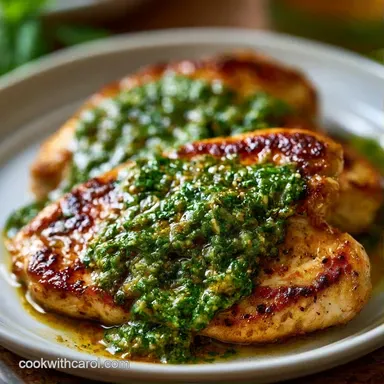
Creamy Pesto Chicken in 30 Minutes
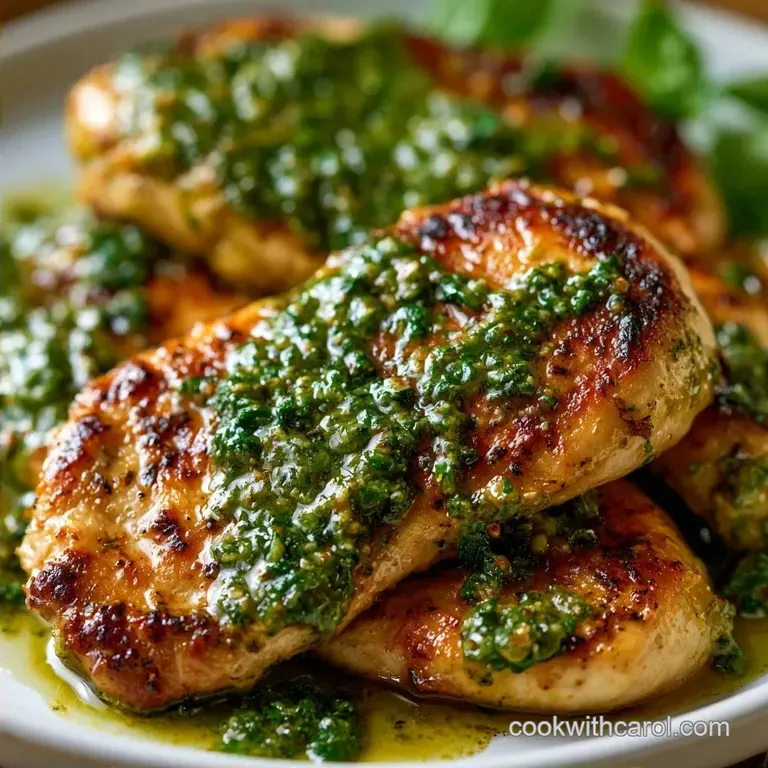
- Time: 10 min active + 20 min cooking
- Flavor/Texture Hook: Rich, buttery sauce with a bright lemon finish
- Perfect for: Weeknight dinners or date nights
Why This Method Works
Before we get into the gear, it's helpful to see how different choices change the result. I usually go with the jarred version for speed, but fresh pesto hits different.
| Pesto Type | Prep Time | Texture | Best For |
|---|---|---|---|
| Fresh Basil | +5 mins | Chunky/Bright | Sunday dinners |
| Jarred Pesto | 0 mins | Smooth/Consistent | Weeknight meals |
The Flour Dredge: A light dusting of flour creates a rough surface on the chicken. This helps the sauce grip the meat rather than sliding off.
The Lemon Finish: Adding acid at the very end cuts through the heavy cream and parmesan. It wakes up the basil flavor.
The Butter Sear: Mixing butter with oil prevents the butter from burning while adding a nutty depth to the crust.
The Essential Ingredients
Right then, let's look at what you need. I've found that using full fat cream is non negotiable here. low-fat versions tend to split when you stir in the pesto.
| Ingredient | What It Does | Best Swap |
|---|---|---|
| Heavy Cream | Thickens and binds | Half and half (will be thinner) |
| Basil Pesto | Core flavor profile | Spinach pesto (earthier taste) |
| Parmesan | Adds salt and depth | Pecorino Romano (saltier/sharper) |
| All Purpose Flour | Creates the crust | Cornstarch (smoother finish) |
The Shopping List
- 4 (6 oz / 170g) boneless skinless chicken breasts Why this? Uniform size ensures even cooking
- 2 tbsp (30ml) olive oil
- 1 tbsp (15g) unsalted butter
- ½ tsp (3g) kosher salt
- ½ tsp (3g) cracked black pepper
- 2 tbsp (16g) all purpose flour Why this? Essential for the sauce to cling
- ½ cup (125g) basil pesto
- 1 cup (240ml) heavy cream
- ¼ cup (30g) Parmesan cheese Why this? Adds a salty, savory punch
- 2 cloves (10g) garlic, minced
- 1 tsp (5ml) lemon juice
Gear You Will Need
You don't need a fancy kitchen for this, but the pan matters. I prefer a 12 inch stainless steel or cast iron skillet. Non stick works, but you won't get that mahogany crust that makes the dish special.
A meat thermometer is also a must. It's the only way to stop yourself from overcooking the chicken into rubber. A simple whisk or a fork will do for the sauce.
How to Cook It
Let's crack on. Make sure your chicken is totally dry before you start, or it'll steam instead of searing.
- Pat the chicken breasts dry with paper towels. Season with salt and pepper, then lightly dredge in flour. Note: Shake off the excess flour so it doesn't clump in the pan.
- Heat olive oil and butter in your skillet over medium high heat. Sear the chicken for 5–7 minutes per side until a mahogany colored crust forms and the internal temperature reaches 165°F (74°C).
- Remove chicken to a plate and let it rest. Note: Resting keeps the juices inside the meat.
- Reduce heat to medium. Add the minced garlic and sauté for 60 seconds until fragrant but not browned.
- Pour in the heavy cream. Stir constantly to deglaze the pan, scraping up those brown bits. Bring to a gentle simmer for 2 minutes until slightly thickened.
- Stir in the basil pesto and Parmesan cheese. Whisk until the sauce is velvety and uniform.
- Return the chicken breasts and any juices from the plate to the pan. Spoon the sauce over the meat and simmer for 2 more minutes.
- Stir in the lemon juice at the very end to brighten the richness.
Chef's Tip: If you want a deeper flavor, try adding a pinch of red pepper flakes with the garlic for a subtle heat that balances the cream.
Avoiding Common Pitfalls
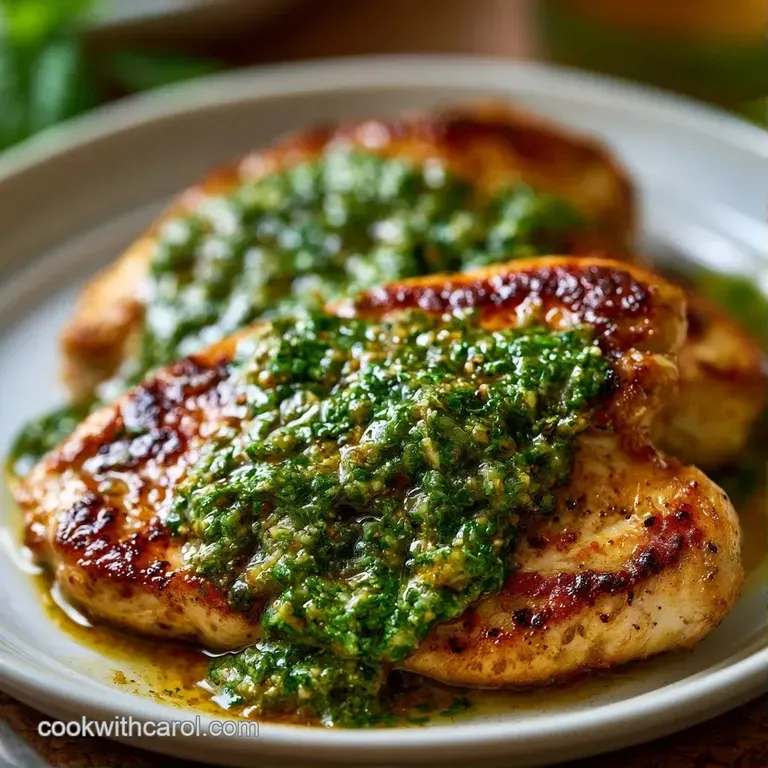
Even a simple dish like Creamy Pesto Chicken can go sideways if the heat is too high or the timing is off. Most issues come down to temperature management.
Troubleshooting Common Issues
| Issue | Solution |
|---|---|
| Why Your Sauce Breaks | If the sauce looks curdled or the oil is separating, you've likely overheated the cream. This happens when the pan is screaming hot and the dairy can't handle it. |
| Why Your Chicken is Dry | Overcooking is the enemy. If you leave the chicken in the sauce too long, it'll lose its moisture. Always pull the meat when it hits 165°F (74°C) as it will continue to cook slightly while resting. |
| Why Your Sauce is Too Thick | This usually happens if the cream reduces too much before the pesto goes in. A quick fix is to stir in a tablespoon of water or chicken broth. |
Switching Up Ingredients
If you're looking for a different vibe, you can easily tweak this. For those who want a bit more bulk, this works brilliantly as an Easy Creamy Pesto Chicken Pasta. Just toss in some cooked penne or fettuccine at the very end.
If you prefer rice, an Easy Creamy Pesto Chicken and Rice pairing is a solid choice. I recommend a basmati or jasmine rice to soak up the sauce. For something more hands off, you could turn this into a Creamy Pesto Chicken Bake by searing the meat first and then finishing it in the oven with the sauce on top.
For a dairy-free version, swap the heavy cream for full fat coconut milk and the Parmesan for nutritional yeast. The flavor shifts toward a tropical note, but it's still satisfying. If you love pesto in other forms, you might also enjoy my Salad in 15 Min recipe for a cold alternative.
Scaling the Recipe
- Cutting it in half: Use a smaller 8 inch pan. Reduce the simmer time by about 1-2 minutes to avoid the sauce becoming too thick.
- Doubling it: Don't crowd the pan. Sear the chicken in two batches, otherwise, the pan temp drops and the meat will boil in its own juices. Keep the salt and spices at 1.5x instead of double to avoid over salting.
Storage and Leftovers
You can keep this in the fridge for 3-4 days in an airtight container. The sauce will thicken significantly as it cools, which is normal.
When reheating, avoid the microwave if you can. It tends to zap the moisture out of the chicken and can make the cream split. Instead, put the chicken and sauce in a small pan over low heat. Add a splash of milk or water to loosen the sauce back up.
For freezing, I only recommend freezing the cooked chicken without the sauce. The cream in the sauce often separates during the freeze thaw cycle, which ruins the texture.
To avoid waste, use any leftover sauce as a base for a quick vegetable sauté. Toss in some spinach or zucchini, and you've got a side dish that doesn't go to waste. This pairs great with a Classic Italian Side Salad to add some freshness to the meal.
Best Side Dish Pairings
Since this dish is quite rich, you want sides that offer contrast. Something acidic or crunchy works best to balance the cream.
The Fresh Contrast A simple arugula salad with a lemon vinaigrette is my go to. The peppery greens cut right through the fat of the Parmesan and cream. Roasted asparagus or broccolini also work well since they add a charred, earthy element.
The Carb Classic While pasta is the obvious choice, a crusty piece of sourdough bread is essential for mopping up the extra sauce. If you want something heartier, mashed cauliflower is a great low carb way to enjoy the sauce without feeling weighed down.
Why This Method Works
Right, let's talk about what's actually happening in the pan. According to guides on searing techniques at Serious Eats, the key to a great crust is moisture control.
- The Crust: Dredging in flour and searing in fat creates a golden layer. This is where the deep, savory flavor lives.
- The Emulsion: Whisking the Parmesan into the simmering cream creates a stable emulsion. The cheese melts into the fat, making the sauce thick and glossy.
- The Acid Balance: The lemon juice provides a chemical contrast. It breaks the "heaviness" of the dairy, making the whole dish taste lighter.
One last thing: don't believe the myth that you need to bring chicken to room temperature before searing. For breasts this thick, it doesn't make a measurable difference in cook time, and it's safer to keep them chilled until they hit the pan. Also, don't worry if your pesto isn't homemade.
While fresh is great, a high-quality jarred version is consistent and works perfectly for this specific recipe.
Recipe FAQs
Do you put pesto on chicken before or after cooking?
After cooking. Sear the chicken first to develop a mahogany crust, then stir the pesto into the cream sauce before returning the meat to the pan.
How to make pesto sauce more creamy?
Whisk in heavy cream and Parmesan cheese. Simmering the cream first helps it thicken slightly, creating a velvetier base for the pesto.
How to prevent the chicken from becoming dry in the sauce?
Pull the meat at 165°F (74°C). Overcooking is the primary cause of dryness; the chicken will continue to cook slightly while resting before it returns to the pan.
How to make a pesto cream sauce?
Sauté garlic, simmer heavy cream, and stir in pesto and Parmesan. This sequence ensures the sauce is uniform and doesn't break.
Is it true that boiling pesto for several minutes is the best way to thicken the sauce?
No, this is a common misconception. Boiling pesto for too long can dull the vibrant green color and mute the fresh basil flavor.
Can I mix Alfredo sauce with pesto?
Yes, as this recipe essentially builds an Alfredo base. The combination of heavy cream and Parmesan blends seamlessly with basil pesto. If you enjoy this rich profile, you might like the balance in our zesty pasta.
Why is my pesto cream sauce separating or curdling?
You likely overheated the cream. When the pan is too hot, the dairy can break; keep the heat at medium to maintain a smooth, velvety consistency.
Creamy Pesto Chicken