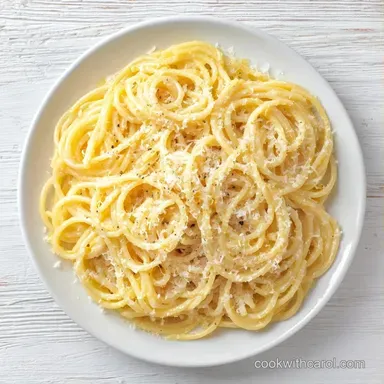
Simple Parmesan Herb Pasta: Glossy and Garlic-Infused
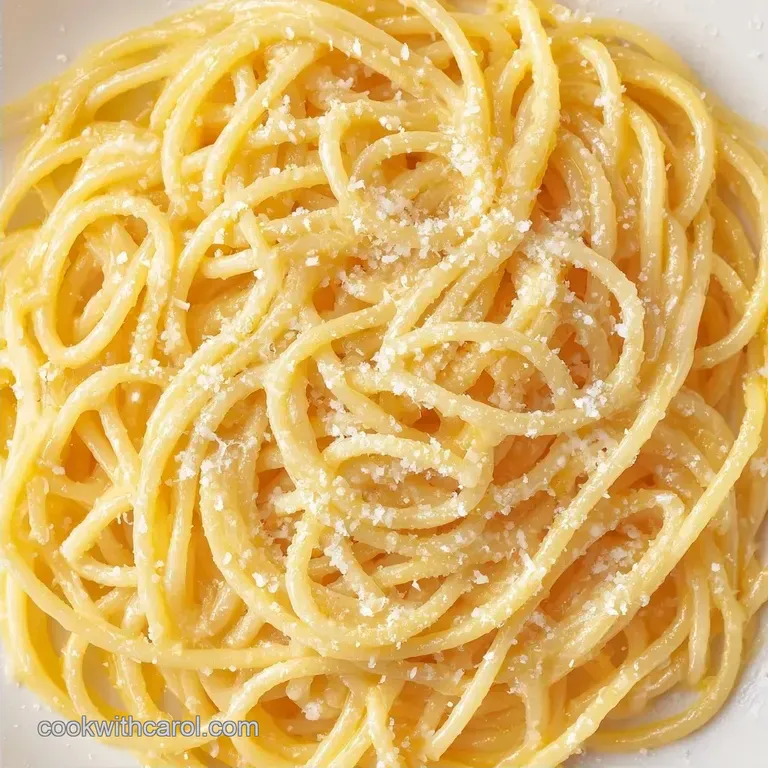
- Time: 5 min active + 10 min cook
- Flavor/Texture Hook: Glossy, garlic infused coating with a fresh herbal finish
- Perfect for: Fast weeknight dinners or a Budget-Friendly side dish
That smell of garlic hitting hot butter is probably the best scent in the entire world. I remember the first time I tried to make a quick pasta for a date. I wanted it to feel fancy, but I was panicking and accidentally burnt the garlic in about ten seconds.
The whole kitchen smelled like acrid smoke, and the pasta tasted bitter. I ended up ordering pizza, which was a humbling way to end the night.
Since then, I've learned that the secret isn't in fancy ingredients, but in how you handle the heat. This Simple Parmesan Herb Pasta is my go to because it uses basic pantry staples but tastes like something from a bistro. You don't need a degree in cooking to get that glossy, restaurant style coating.
It's all about the timing and a little bit of liquid gold from the pot.
You can expect a dish that's savory, salty, and bright. We aren't using cream here, so the flavor of the Parmesan really pops. It's a lean, efficient way to get a satisfying meal on the table without spending an hour scrubbing pots. Right then, let's get into how to actually make this work.
Simple Parmesan Herb Pasta
When you're looking for Easy Parmesan Pasta Recipes, most of them tell you to just dump cheese into a pan. That's where they go wrong. If you just add cheese to hot pasta, it often clumps into a rubbery ball or separates into a greasy mess.
The trick is creating an emulsion, which is just a fancy way of saying we're forcing the fat and the water to stay together.
I've spent way too much time experimenting with different cheeses and fats to figure this out. Using a mix of butter and that cloudy, starchy water from the pasta pot creates a bridge. This bridge allows the Parmesan to melt into a smooth sauce instead of sticking to itself.
Trust me on this, the water is more important than the cheese itself.
The herbs are the final touch that keeps the dish from feeling too heavy. Fresh parsley and basil add a "green" note that cuts through the richness of the butter. If you use dried herbs, you lose that brightness, and the dish feels flat. We want it to taste fresh, not like a dried out packet from three years ago.
Why Sauce Usually Separates
Starch Binding: Pasta water contains released starches that act as a glue, keeping the butter and cheese combined.
Temperature Control: Adding cheese over low heat prevents the proteins from tightening and squeezing out the fat.
Fat Integration: Melting butter slowly with garlic creates a flavored base that carries the cheese more evenly.
Herb Timing: Folding in fresh greens at the very end prevents them from turning brown or losing their scent.
| Method | Time | Texture | Best For |
|---|---|---|---|
| Fast (This way) | 15 minutes | Glossy & Light | Weeknight dinner |
| Classic (Reduction) | 40 minutes | Thick & Heavy | Sunday feast |
| Cold Prep | 20 minutes | Creamy & Dense | Picnic salads |
The Ingredient Breakdown
| Ingredient | Science Role | Pro Secret |
|---|---|---|
| Pasta Water | Emulsifier | Scoop it out before draining; it's the "liquid gold" |
| Unsalted Butter | Fat Base | Use unsalted so you can control the salt from the cheese |
| Parmesan | Thickener/Salt | Grate it yourself; pre shredded has cellulose that stops melting |
| Fresh Basil | Aroma | Tear by hand or chiffonade to release essential oils |
Ingredients
- 1 lb (450g) Spaghetti or Linguine Why this? Long strands hold the glaze better than shapes
- 4 qt (3.8L) Water
- 2 tbsp (34g) Salt Why this? Seasons the pasta from the inside out
- ½ cup (115g) Unsalted Butter Why this? Provides the richness for the sauce
- 4 cloves (20g) Garlic, minced Why this? Adds the sharp, savory aromatic base
- 1 cup (100g) Parmesan cheese, freshly grated Why this? The primary flavor and thickening agent
- ¼ cup (15g) Fresh Italian Parsley, chopped Why this? Adds a fresh, peppery contrast
- 2 tbsp (8g) Fresh Basil, chiffonade Why this? Gives it that classic Italian aroma
- ½ tsp (2g) Black pepper, freshly cracked Why this? Adds a subtle heat to balance the fat
Chef Note: If you're on a tight budget, you can use a decent store-bought Parmesan, but please avoid the powdered stuff in the green shaker can. It won't melt and will leave your pasta feeling gritty.
Essential Kitchen Tools
You don't need a professional kitchen for this, but a few things make it easier. A large pot for the pasta is obvious, but a wide skillet is the real hero here. The more surface area you have, the easier it is to toss the pasta and get every strand coated.
I highly recommend using tongs instead of a spoon. Tongs allow you to lift and swirl the pasta, which incorporates air and helps the sauce emulsify. If you use a spoon, you're more likely to break the noodles or leave clumps of cheese at the bottom of the pan.
Finally, a microplane or a fine grater is your best friend. The finer the cheese, the faster it melts. When the cheese is in tiny shreds, it disappears into the sauce instantly, creating that velvety texture we're after.
Step by step Guide
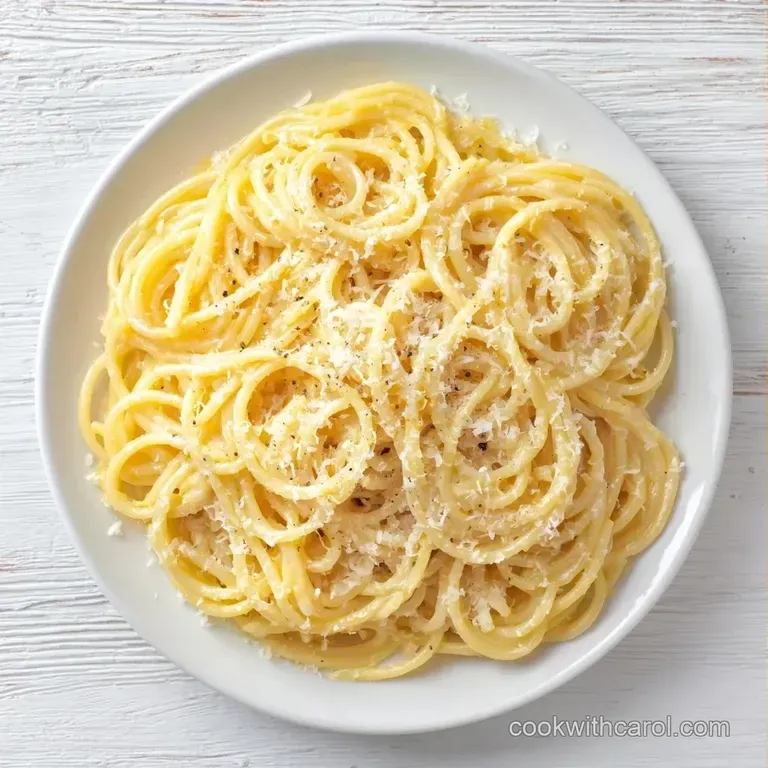
- Bring the water to a rolling boil and add the salt. Cook the pasta according to the package directions until al dente. Note: Al dente means it still has a slight bite; it will finish cooking in the sauce.
- Before draining, scoop out 1 cup (240ml) of the starchy pasta water and set it aside. Check: the water should look cloudy, not clear.
- While the pasta cooks, melt the butter in a large skillet over medium heat.
- Add the minced garlic and sauté for 1–2 minutes, stirring constantly until fragrant and pale golden.
- Add the cooked pasta directly into the skillet with the garlic butter.
- Pour in ¼ cup (60ml) of the reserved pasta water.
- Sprinkle in the Parmesan cheese and black pepper. Toss vigorously with tongs over low heat until the cheese melts into a glossy, velvety glaze.
- Remove the pan from the heat. Fold in the fresh parsley and basil until slightly wilted.
Fixing Common Mistakes
If your sauce isn't behaving, don't panic. Most issues with a Simple Parmesan Herb Pasta come down to temperature or ratios. If the sauce looks like oil and clumps of cheese, you've likely overheated it. The proteins in the cheese have tightened up and pushed the fat out.
Another common issue is "dry pasta syndrome." This happens when the pasta absorbs the sauce too quickly. Because this dish has no cream, it relies entirely on the water fat emulsion. If it looks matte or sticky, you just need more pasta water.
My sauce is too thick or dry
This usually means the pasta absorbed the liquid too fast or you didn't use enough pasta water. Add another splash of reserved water and toss over low heat.
The cheese is clumping
This happens if the heat is too high or the cheese was added too quickly. Turn the heat to low, add a bit more pasta water, and whisk or toss rapidly.
The garlic tastes burnt
Burnt garlic is bitter and ruins the whole dish. If the garlic turns dark brown, it's too late; you'll need to start the butter base over.
| Problem | Root Cause | Solution |
|---|---|---|
| Greasy sauce | Heat too high | Lower heat and add more pasta water |
| Clumpy cheese | Pre shredded cheese | Use freshly grated Parmesan |
| Bland flavor | Under salted water | Salt the boiling water heavily next time |
Common Mistakes Checklist:
- ✓ Did I save the pasta water before draining?
- ✓ Is the garlic pale gold, not dark brown?
- ✓ Did I turn the heat to low before adding the cheese?
- ✓ Is the cheese freshly grated for a smooth melt?
- ✓ Did I add the herbs at the very end?
Easy Flavor Twists
If you want to change things up, this recipe is a great base. For something a bit more zesty, you can try a lemon herb version by adding fresh lemon zest and a squeeze of juice at the end. The acidity cuts right through the butter.
For those who love a cold meal, you could pivot this into a creamy cold pasta by swapping the butter for a bit of olive oil and Greek yogurt. It's a totally different vibe but uses similar flavor profiles.
If you're feeling fancy, add some sautéed shrimp or grilled chicken. Just sear the protein in the pan first, remove it, and then build your garlic butter sauce in the same pan to catch all those browned bits.
Budget-Friendly Swaps
| Original Ingredient | Substitute | Why It Works |
|---|---|---|
| Fresh Basil | Dried Basil (1 tsp) | Similar flavor but less punch. Note: Add it with the garlic, not at the end |
| Parmesan | Pecorino Romano | Saltier and tangier. Note: Use slightly less salt in the pasta water |
| Spaghetti | Fettuccine | Wider surface area for more sauce. Note: May require an extra splash of water |
When scaling this recipe, be careful with the garlic and salt. If you're doubling the batch to serve 12 people, don't double the garlic to 8 cloves unless you really love it; 6 cloves usually do the trick. Similarly, only increase the salt in the water to about 1.5x the original amount.
For the liquids, you can actually reduce the butter slightly when doubling (use 3/4 cup instead of 1 cup) and the dish will still be plenty rich. If you're making a half batch, remember to beat one egg if you were adding an egg based element, then use half.
For this specific recipe, just halve everything and use a smaller skillet to prevent the butter from evaporating too quickly.
Truth About Pasta Myths
You might have heard that you should put oil in your pasta water to stop it from sticking. This is a total myth. Oil floats on top of the water and then coats the pasta, which actually prevents the sauce from sticking to the noodles. Your sauce will just slide right off.
Another common belief is that you need to rinse your pasta after draining. Please, don't do this! Rinsing washes away the surface starch that we need for the emulsion. That starch is what makes the Simple Parmesan Herb Pasta velvety. Keep that starch on the noodle.
Storage and Leftovers
This dish is best eaten immediately, but it keeps in the fridge for about 3 days. Store it in an airtight container. When you reheat it, you'll notice it has become a thick block. This is normal.
To bring it back to life, add a tablespoon of water or a small knob of butter before microwaving. Heat it in 30 second bursts, stirring in between, until the sauce loosens up and becomes glossy again.
I don't recommend freezing this recipe, as the emulsion often breaks during the thawing process, leaving you with oily noodles.
For zero waste, don't throw away the leftover pasta water if you have some. You can use it as a base for a vegetable soup or use it to thicken a different sauce later in the day. If you have leftover parsley stems, chop them finely and throw them into a stock or use them to flavor your next batch of garlic butter.
Plating Your Pasta
To make this look like it came from a restaurant, use a carving fork or tongs to twirl the pasta into a tight nest in the center of the plate. Don't just plop it down; create height.
Garnish with a few whole basil leaves and a final dusting of freshly grated Parmesan. A crack of fresh black pepper over the top adds a nice visual contrast against the pale gold of the sauce. If you have a lemon, a thin slice on the side adds a pop of color that makes the dish feel complete.
Serve it in warmed bowls if you can. Since this is a butter based sauce, it can cool down quickly, and a cold bowl will turn that velvety glaze into a thick paste faster than you'd like. Give it a quick rinse under hot water, dry it, and you're set.
Recipe FAQs
How to prevent the cheese from clumping?
Toss the pasta vigorously over low heat with reserved pasta water. The starch in the water emulsifies with the butter and cheese to create a smooth, unified sauce.
Can I use pre-grated Parmesan cheese?
No, use freshly grated cheese for the best melt. Pre-grated options often contain cellulose or anti-clumping agents that prevent the sauce from becoming glossy.
How to reheat the pasta without it getting dry?
Add a tablespoon of water or a small knob of butter before microwaving. Heat in 30-second bursts and stir between intervals to loosen the sauce and restore its texture.
Is it true that I should rinse the pasta before adding it to the butter?
No, this is a common misconception. Rinsing removes the surface starch needed to bind the garlic butter and cheese into a velvety glaze.
How to make the sauce glossy and velvety?
Combine the pasta with 1/4 cup of starchy pasta water and Parmesan. Toss vigorously over low heat until the emulsion forms. If you enjoyed mastering this emulsion, see how the same principle works in our lemon olive oil pasta.
Can I substitute spaghetti with another pasta shape?
Yes, linguine is the best alternative. Long, thin noodles are ideal for capturing the light butter and herb sauce without breaking.
What should I do if the sauce is too thick?
Stir in more of the reserved pasta water one tablespoon at a time. Continue tossing over low heat until the sauce reaches your desired consistency.
Simple Parmesan Herb Pasta in 15 Minutes