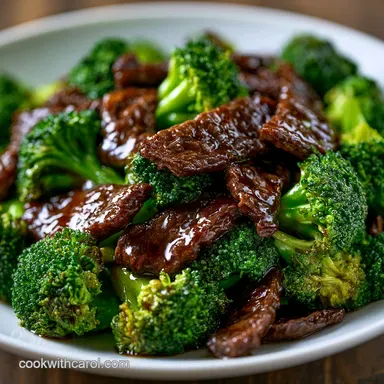
Beef and Broccoli: Better Than Takeout
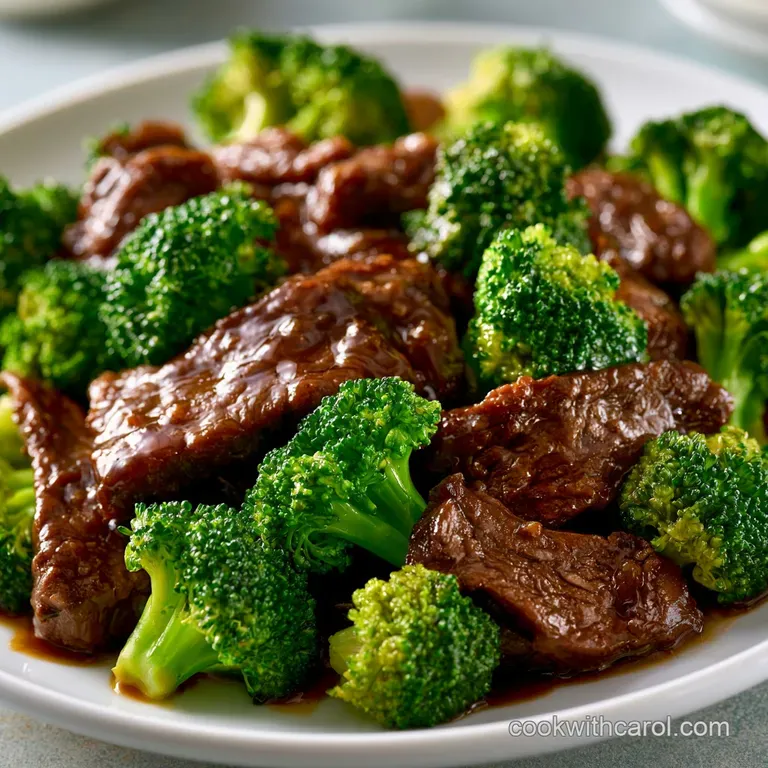
- Time: 15 min active + 10 min cook = Total 25 min
- Flavor/Texture Hook: Glossy, savory glaze with shatter crisp broccoli
- Perfect for: Fast weeknight dinner or high protein meal prep
- Better Than Takeout Beef and Broccoli
- Why Most Recipes Fail
- The Secret Logic
- Essential Ingredient Breakdown
- Necessary Kitchen Tools
- Step By Step Guide
- Fixing Common Issues
- Troubleshooting Common Issues
- Creative Flavor Twists
- Storage and Waste
- Great Side Pairings
- CRITICAL: Very High in Sodium
- Recipe FAQs
- 📝 Recipe Card
That loud, aggressive sizzle when the meat hits the hot oil is the only sound that matters in a stir fry. If you don't hear that immediate crackle, you've already lost the battle. I remember the first time I tried making this at home, and it was a disaster.
I threw all the beef in at once, the pan temperature plummeted, and instead of searing, the meat basically boiled in a pool of grey liquid. It was rubbery, bland, and honestly, pretty depressing.
Forget the myth that you need a professional, high BTU wok burner to get that restaurant quality. You can absolutely nail this in a standard heavy skillet or a home wok, provided you don't crowd the pan. Most people think the secret is in the sauce, but it's actually in the heat management.
When we get the beef and broccoli right, it's about that contrast between the velvety meat and the bright, snappy greens.
Trust me on this, once you see the sauce transform from a watery liquid into a glossy, clinging glaze, you'll never order takeout again. This Beef and Broccoli recipe is designed to be fast, but there are a few non negotiable steps that make the difference between a soggy mess and a restaurant style dish. Let's crack on.
Better Than Takeout Beef and Broccoli
Right then, let's talk about why this version actually hits the mark. Most home cooks make the mistake of cooking the beef and broccoli together for the whole duration. This is a recipe for sadness. The beef overcooks while the broccoli stays raw, or the broccoli turns into mush while the beef is still grey.
By searing the meat separately and removing it, we preserve those juices.
I've found that using flank steak is the way to go here. It has a strong flavor and a grain that, when sliced correctly, becomes incredibly tender. If you're looking for other ways to enjoy beef in a pan, you might like a Beef Stroganoff which uses a different, creamy approach to pan searing sirloin, but for a stir fry, the flank steak is king.
The goal here is a high contrast dish. We want the broccoli to keep its vibrant green color and a bit of a bite, and the beef to have those dark, caramelized edges. When these elements meet in the final glossy sauce, it's a total win.
Why Most Recipes Fail
The biggest culprit in a bad stir fry is overcrowding. When you dump too much meat into a pan, the temperature drops instantly. Instead of searing, the beef releases its moisture and simmers in its own juices. This is how you get that rubbery, chewy texture that makes you want to give up on home cooking.
Another common slip up is the broccoli hydration. If you wash your broccoli and toss it in the pan while it's still dripping wet, you're essentially steaming it. This ruins the sear and makes the sauce watery. I always pat my florets dry with a towel.
It seems like a small step, but it's what prevents the sauce from separating.
Finally, people often forget the "resting" part of the beef. If you keep the beef in the pan while you're messing with the vegetables, it'll overcook. Removing the meat to a plate for a few minutes allows it to relax and ensures it doesn't turn into leather.
The Secret Logic
The Cornstarch Shield: Coating the beef in cornstarch creates a thin barrier that locks in moisture and helps the meat brown quickly.
Grain Alignment: Slicing across the muscle fibers shortens the chew, making the beef feel velvety rather than stringy.
Over High heat Flash: Quick cooking at high temperatures prevents the broccoli from losing its color and nutrients.
Starch Thickening: The cornstarch in the sauce hydrates and swells when heated, creating that thick, glossy cling.
| Method | Time | Texture | Best For |
|---|---|---|---|
| Stovetop | 25 min | Crisp & Glossy | Fast weeknights |
| Oven Roast | 40 min | Soft & Uniform | Large crowds |
| Slow Cooker | 4 hours | Tender & Stewed | Set and forget |
This comparison shows why I always stick to the stovetop for this specific meal. While a slow cooker is convenient, you lose that charred, seared edge on the beef that gives the dish its character.
Essential Ingredient Breakdown
Let's look at what's actually doing the heavy lifting in this dish. It's not just about salt and sugar, it's about the balance of savory and sweet.
| Ingredient | Science Role | Pro Secret |
|---|---|---|
| Flank Steak | Protein Base | Freeze for 20 mins for easier slicing |
| Cornstarch | Texturizer | Use just enough to coat, not a paste |
| Oyster Sauce | Umami Depth | Adds a salty sweet richness and thickness |
| Ginger/Garlic | Aromatics | Grate them fresh for a sharper bite |
When you're putting together your Beef and Broccoli, don't be tempted to skip the toasted sesame oil. It doesn't provide the heat for cooking, but it provides the "soul" of the flavor. It's that nutty aroma that tells your brain you're eating a proper stir fry.
Necessary Kitchen Tools
You don't need a professional kitchen, but a few things make this much easier. A large cast iron skillet or a carbon steel wok is ideal because they hold heat. If you use a thin non stick pan, you might find the temperature drops too quickly when the meat hits the surface.
I also recommend a sharp chef's knife. Slicing flank steak thinly requires a blade that can glide through the meat without tearing it. If your knife is dull, you'll end up with chunky pieces that cook unevenly.
For the sauce, a simple whisk and a medium bowl will do. You want to make sure the brown sugar is fully dissolved before it hits the pan, otherwise, you'll get little pockets of sweetness instead of a uniform glaze.
Step by step Guide
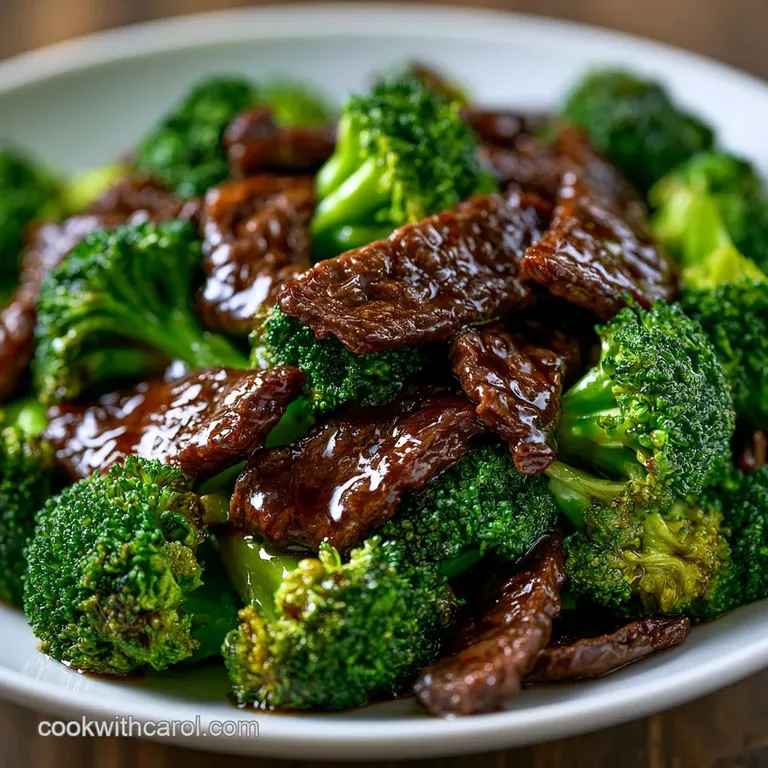
Right then, let's get into the actual cooking. Follow these steps closely, especially the timing, to keep everything from overcooking.
- Slice the flank steak across the grain into thin, bite sized strips. Note: Look for the lines in the meat and cut perpendicular to them.
- In a bowl, whisk together the soy sauce, cornstarch, and sesame oil. Toss with the beef until every piece is thinly coated.
- In a separate bowl, combine the beef broth, soy sauce, brown sugar, oyster sauce, garlic, ginger, and cornstarch. Whisk until the sugar and cornstarch are fully dissolved.
- Heat 1 tbsp of vegetable oil in a wok or heavy skillet until shimmering. Precision Checkpoint: The oil should be about 375°F (190°C) or just before it smokes.
- Add the beef in a single layer, searing undisturbed for 1-2 minutes until a dark brown crust forms, then flip and cook for another minute. Remove beef to a plate immediately.
- Add the remaining 1 tbsp of oil to the pan. Stir fry broccoli florets for 2-3 minutes until bright green and slightly charred.
- Pour in the sauce mixture; stir constantly for 1-2 minutes until the liquid thickens into a glossy glaze.
- Return the beef to the pan, tossing quickly for 30 seconds to coat. Precision Checkpoint: Total cooking time for the sauce phase should be under 4 minutes.
- Remove from heat immediately to prevent the sauce from becoming too thick.
- Garnish with sliced scallions and sesame seeds. Precision Checkpoint: Final internal beef temperature should be around 135-145°F for medium rare to medium.
Chef's Note: If you're using a smaller pan, cook the beef in two batches. If you crowd the pan, you'll get grey meat instead of brown crust.
Fixing Common Issues
Even with a good plan, stir fries can be temperamental. The most common issue is a sauce that doesn't thicken or beef that feels like a rubber band.
Troubleshooting Common Issues
| Issue | Solution |
|---|---|
| Why Your Beef Is Rubbery | This usually happens for two reasons: you sliced with the grain instead of across it, or you overcooked the meat. Flank steak is lean, so it doesn't need much time. Once it's browned, get it out of th |
| Why Your Sauce Is Watery | If your sauce isn't glossy and is instead pooling at the bottom, you either didn't use enough cornstarch or the heat wasn't high enough to activate the thickening process. You can whisk in a tiny bit |
| Why Your Broccoli Is Mushy | This is a result of overcooking or adding the broccoli to a pan that wasn't hot enough. The broccoli should be "crisp tender", meaning it has a snap when you bite into it but isn't raw in the center. |
Common Mistakes Checklist
- ✓ Sliced beef perpendicular to the grain
- ✓ Patted broccoli dry before frying
- ✓ Searing meat in a single layer
- ✓ Removing beef before adding vegetables
- ✓ Whisking sauce to remove sugar clumps
Creative Flavor Twists
Once you've mastered the base Beef and Broccoli, you can start playing with the flavors. I often tweak this based on what's in my fridge.
Switching to Ground Beef
If you're on a budget, you can use ground beef. It doesn't have the same texture as flank steak, but it's great for a quicker, cheaper meal. Just brown the ground beef first, drain the excess fat, and then follow the sauce steps. This turns it into a more "crumble" style dish.
Adapting for a Slow Cooker
For a slow cooker version, you can't really "stir fry", but you can get a tender result. Put the sliced beef and broccoli in the pot with the sauce. Cook on low for 4-6 hours. Note: The broccoli will be much softer than the stovetop version, and you'll lose the sear on the beef.
To fix this, sear the beef in a pan first before adding it to the slow cooker.
Making it Spicy
If you like a bit of heat, add a tablespoon of Sriracha or a teaspoon of red pepper flakes to the sauce. I also love adding a bit of minced Thai chili for a sharper, more authentic heat.
Low Sodium Swap
If you're watching your salt, use coconut aminos instead of soy sauce. It has a similar color and a slightly sweeter taste, which actually works really well with the brown sugar in this Beef and Broccoli recipe.
Storage and Waste
Stir fries are fantastic for meal prep because they hold up surprisingly well in the fridge.
Storage Guidelines Place your Beef and Broccoli in an airtight container. Once the beef and broccoli has cooled to room temperature, cover and refrigerate for 3-4 days per USDA guidelines.
Freezing Tips I generally don't recommend freezing this dish because the broccoli becomes very mushy upon thawing. However, if you must, freeze it for up to 2 months. When reheating, do it slowly on the stovetop with a splash of water to loosen the sauce.
Reheating the Right Way The best way to reheat is in a skillet over medium heat. Add a tablespoon of water or beef broth to bring the sauce back to its glossy state. Avoid the microwave if you can, as it tends to overcook the beef and make the broccoli soggy.
Zero Waste Ideas Don't throw away the broccoli stems! Peel the tough outer layer of the stem, slice the inner core into thin rounds, and toss them in with the florets. They have a wonderful, crunchy texture that's often better than the tops.
Great Side Pairings
While this dish is a powerhouse on its own, pairing it with the right sides makes it a complete meal.
The classic choice is obviously steamed jasmine rice or brown rice. The rice acts as a sponge for that glossy sauce. If you're going low carb, cauliflower rice is a great alternative.
For something a bit different, try serving it with a side of my South Indian Tomato Chutney if you want a tangy, spicy contrast to the savory beef. The acidity of the tomato cuts through the richness of the oyster sauce beautifully.
If you're serving this for a family dinner, a simple side of smashed cucumbers with rice vinegar and sesame seeds adds a refreshing, cool element that balances the heat of the stir fry.
Decision Shortcut for Sides:
- If you want comfort: Serve with fluffy white rice.
- If you want healthy: Pair with steamed bok choy or cauliflower rice.
- If you want bold: Serve with a side of spicy tomato chutney.
Right then, you've got everything you need to make a Beef and Broccoli that actually tastes like it came from a professional kitchen. Just remember: high heat, don't crowd the pan, and slice that beef against the grain. Trust me, your taste buds will thank you. Happy cooking!
CRITICAL: Very High in Sodium
1580 mg 1,580 mg of sodium per serving (69% 69% of daily value)
The American Heart Association recommends a daily sodium limit of 2,300 mg, and an ideal limit of 1,500 mg for most adults to reduce cardiovascular risk.
Tips to Reduce Sodium
-
Swap Soy Sauce-30%
Replace both portions of regular soy sauce with low-sodium soy sauce or coconut aminos for a significant reduction.
-
Low-Sodium Broth-20%
Substitute the beef broth with a low-sodium or no-salt added beef broth version.
-
Modify Oyster Sauce-15%
Use a low-sodium oyster sauce alternative or reduce the quantity by half and add a splash of rice vinegar.
-
Enhance Fresh Aromatics
Double the amount of fresh ginger and garlic to create bold flavor without adding extra salt.
Recipe FAQs
What ingredients do I need for beef and broccoli?
Flank steak, broccoli florets, soy sauce, cornstarch, sesame oil, beef broth, brown sugar, oyster sauce, garlic, ginger, vegetable oil, scallions, and sesame seeds. These components combine to create the savory glaze and tender meat.
How do Chinese get beef so tender?
Toss the sliced beef in a marinade of soy sauce, cornstarch, and sesame oil. This process creates a protective barrier that keeps the meat juicy during high heat searing.
How to cook broccoli for kidney patients?
Stir fry broccoli florets for 2-3 minutes until bright green. Following this precise timing prevents overcooking while maintaining the vegetable's integrity.
What's the best kind of beef to get for beef with broccoli?
Flank steak is the ideal choice. Its lean texture and distinct grain allow for thin slicing and quick searing, which is essential for the desired consistency.
How to prevent the beef from becoming rubbery?
Slice the flank steak across the grain into thin strips. Avoid overcooking the meat; remove it from the pan immediately once a dark brown crust forms.
Is it true that I should freeze this dish for long term storage?
No, this is a common misconception. Freezing makes the broccoli very mushy upon thawing, so refrigerating the dish for 3-4 days is recommended instead.
How to fix a watery sauce?
Ensure the heat is high enough to activate the cornstarch. Stir the mixture constantly for 1-2 minutes until the liquid thickens into a glossy glaze.
Beef And Broccoli Stir Fry