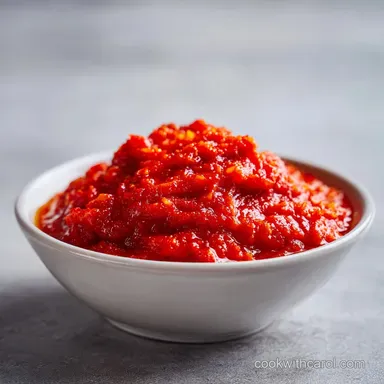
South Indian Tomato Chutney: Authentic and Spicy
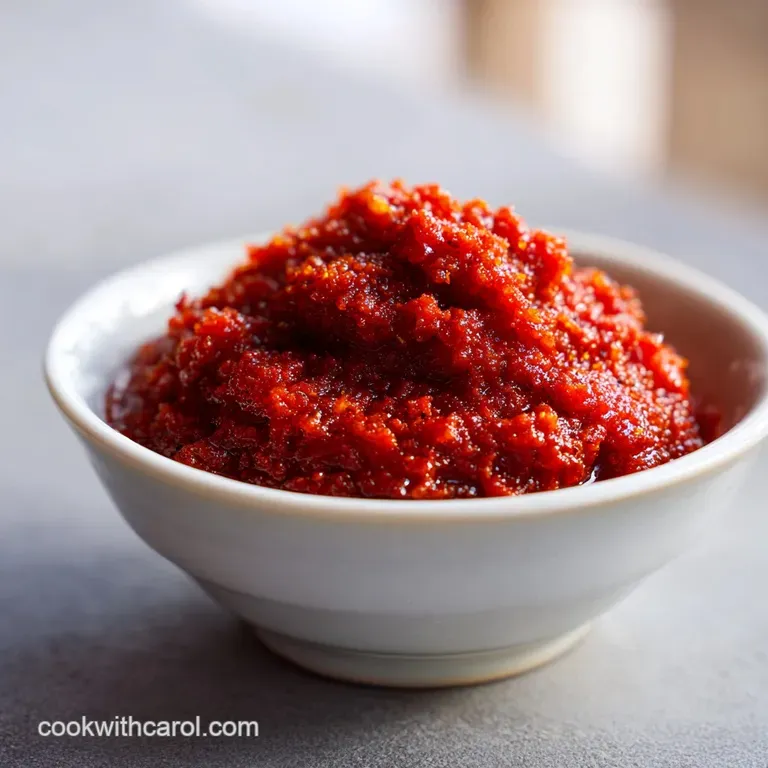
- Time: 5 min active + 15 min cooking = Total 20 minutes
- Flavor/Texture Hook: Velvety smooth puree with a crackling, nutty tempering
- Perfect for: A quick breakfast pairing with idli or dosa, or as a bold dip for snacks
- Quick and Flavorful Authentic South Indian Tomato Chutney Recipe
- The Secret to Jammy Tomatoes
- Component Analysis
- The Complete Pantry List
- Essential Kitchen Gear
- The Step by Step Flow
- Fixing Common Chutney Issues
- Twists and Flavor Variations
- Storing and Saving Scraps
- Serving and Pairing Tips
- Recipe FAQs
- 📝 Recipe Card
The sound of mustard seeds popping in hot oil is a specific kind of magic. It's that sudden, frantic sizzle that fills the kitchen with a pungent, earthy aroma, signaling that the "tadka" or tempering is ready.
I remember the first time I tried to skip this step, thinking I could just blend everything together and call it a day. The result was a bland, cold tomato soup that lacked any soul.
It wasn't until I saw the shimmering oil hit the blended puree, turning the deep red sauce into something vibrant and aromatic, that I realized the secret. The contrast between the smooth, jammy base and the crunchy, fried dal is what makes this dish.
This Quick and Flavorful Authentic South Indian Tomato Chutney Recipe is the only one you'll ever need to bring that genuine South Indian breakfast vibe to your table.
Quick and Flavorful Authentic South Indian Tomato Chutney Recipe
Right then, let's get into it. This chutney is all about balancing the acidity of the tomatoes with the nuttiness of roasted lentils and the sharp hit of garlic. It's a staple in Tamil and Andhra households, and for good reason. It’s fast, uses basic pantry staples, and tastes like it took hours to simmer.
But we aren't just making a sauce, we're building layers. We start by searing the aromatics, then breaking down the tomatoes until they're almost a jam, and finally finishing with a hot oil infusion. Trust me on this, don't rush the tempering at the end, as that's where the real character lives.
The Secret to Jammy Tomatoes
I've always wondered why some chutneys taste "raw" while others feel rich. It comes down to how the water leaves the tomato. When we sauté them with salt, we're essentially forcing the water out and concentrating the natural sugars.
- Moisture Reduction
- Cooking tomatoes until the oil separates ensures the flavor is concentrated and the texture is velvety.
- Oil Infusion
- Fat carries flavor, so sautéing the garlic and chilies first locks those tastes into the oil before the tomatoes are even added.
- Starch Crunch
- Adding urad dal to the tempering provides a textural contrast, breaking up the smoothness of the puree.
- Scent Activation
- Heating curry leaves and asafoetida in shimmering oil releases volatile oils that wouldn't be active if they were just blended in raw.
According to Serious Eats, the process of tempering spices in hot oil, known as tadka, is essential for waking up the fat soluble flavors in seeds and leaves.
| Method | Prep Time | Texture | Best For |
|---|---|---|---|
| Sautéed (This Way) | 20 mins | Velvety & Concentrated | Authentic flavor, long storage |
| Raw Blend | 5 mins | Watery & Bright | Quick dips, fresh salads |
| Roasted/Charred | 30 mins | Smoky & Chunky | Hearty appetizers |
Component Analysis
The ingredients here are simple, but each plays a specific role in the final bite. If you've ever wondered why we use urad dal in a sauce, it's all about that tiny bit of crunch.
| Ingredient | Science Role | Pro Secret |
|---|---|---|
| Ripe Tomatoes | Acid & Base | Use the softest ones you can find for faster breakdown |
| Urad Dal | Textural Contrast | Toast until golden, not brown, to avoid bitterness |
| Asafoetida | Savory Depth | A tiny pinch mimics the depth of garlic/onion |
| Mustard Seeds | Pungent Pop | Only add when oil is shimmering to ensure they pop |
The Complete Pantry List
Here is everything you'll need. I've kept the measurements exact so you get that consistent, jammy result every time.
For the Chutney Base:
- 450g ripe tomatoes, roughly choppedWhy this? Provides the essential tang and bulk
- 110g onion, slicedWhy this? Adds sweetness to balance the acid
- 5g dried red chiliesWhy this? Provides a smoky, lingering heat
- 9g garlic, peeledWhy this? Adds a sharp, aromatic punch
- 5ml oilWhy this? For searing the initial aromatics
- 6g saltWhy this? Draws moisture out of tomatoes
For the Tempering (Tadka):
- 15ml oilWhy this? Carrier for the spice flavors
- 3g mustard seedsWhy this? Essential nutty, peppery pop
- 4g urad dalWhy this? Adds a necessary crunch
- 1 dried red chiliWhy this? Visual appeal and extra heat
- 2g fresh curry leavesWhy this? The signature South Indian aroma
- 1g asafoetidaWhy this? Deepens the savory profile
Smart Substitutes:
| Original Ingredient | Substitute | Why It Works |
|---|---|---|
| Ripe Tomatoes | Canned Crushed Tomatoes | Similar acidity. Note: Less fresh flavor, more uniform texture |
| Urad Dal | Split White Peas | Similar crunch. Note: Slightly different nutty profile |
| Curry Leaves | 1/2 tsp Dried Curry Leaves | Similar scent. Note: Much less potent than fresh |
| Asafoetida | Garlic Powder | Mimics the sulfurous taste. Note: Lacks the specific fermented depth |
Essential Kitchen Gear
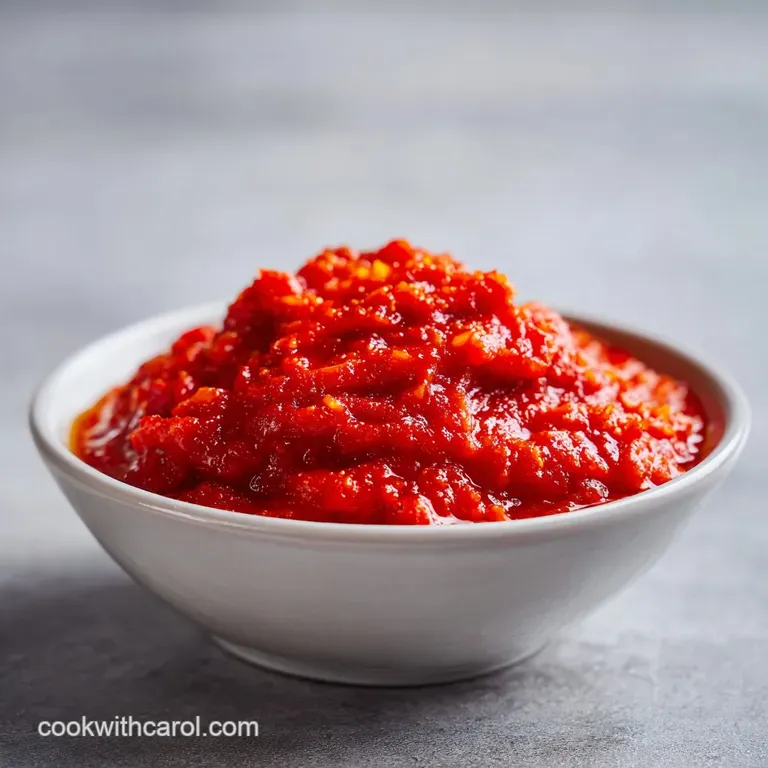
You don't need a professional setup for this, just a few basics. A heavy bottomed pan is best because it distributes heat evenly, preventing the garlic from burning while the onions soften.
I usually use a standard non stick skillet for the sautéing and a small stainless steel tempering pan for the tadka. For the blending, a high speed blender or a NutriBullet works great to get that velvety finish.
If you only have an immersion blender, you can use it right in the pot, but be careful with the heat.
The step by step Flow
Let's crack on. Follow these steps and pay attention to the sensory cues - the smell and the sound tell you more than the timer ever will.
- Heat 5ml oil in a pan over medium high heat. Add the dried red chilies and garlic, sautéing for 30 seconds until the garlic is fragrant but not brown. Note: Burnt garlic will make the whole chutney bitter.
- Add the sliced onions to the pan and sauté until they turn translucent and slightly golden.
- Stir in the chopped tomatoes and salt. Cook on medium high, stirring occasionally, until the tomatoes break down into a soft, jammy consistency and the oil begins to separate from the edges.
- Allow the mixture to cool for 2-3 minutes. Note: This prevents the blender lid from popping off due to steam pressure.
- Transfer to a blender and pulse until the texture is velvety and uniform. Transfer the puree back to a bowl.
- Heat 15ml oil in a small pan until shimmering. Add mustard seeds; once they start to pop like tiny firecrackers, add the urad dal and cook until golden brown.
- Stir in the curry leaves, one dried red chili (snapped in half), and asafoetida.
- Immediately pour the sizzling tempering oil over the blended chutney and stir to combine.
Precision Checkpoints:
- Garlic sauté: Exactly 30 seconds.
- Blend cooling: 2-3 minutes before pulsing.
- Tempering: Mustard seeds must pop before adding dal.
Fixing Common Chutney Issues
Even the best of us mess up. I once added the mustard seeds to cold oil, and they just sat there, refusing to pop. It didn't ruin the taste, but it ruined the texture.
Why Your Chutney is Too Sour
If your tomatoes were exceptionally tart, the chutney might lean too acidic. This happens often with winter tomatoes that haven't ripened fully.
The Texture is Watery
This usually means the tomatoes weren't cooked down enough. If the oil hasn't separated from the sauce in the pan, there's still too much water inside.
Bitter Aftertaste
Burnt garlic or over toasted urad dal is the usual culprit. The dal goes from golden to bitter in about five seconds, so stay focused.
| Problem | Root Cause | Solution |
|---|---|---|
| Too Sour | High tomato acidity | Stir in a pinch of jaggery or brown sugar |
| Watery | Undercooked tomatoes | Simmer the base for 5 more mins before blending |
| Bitter | Burnt spices/dal | Strain the tadka and restart the tempering |
Common Mistakes Checklist:
- ✓ Never add mustard seeds to cold oil.
- ✓ Don't blend the chutney while it's boiling hot.
- ✓ Avoid over processing the puree into a paste; keep it velvety.
- ✓ Ensure the urad dal is golden brown, not dark brown.
- ✓ Don't skip the cooling step before blending.
Twists and Flavor Variations
This recipe is a great base, but you can easily tweak it to fit different regional styles. If you're in the mood for something totally different but still punchy, try this Southwest Chipotle Salad for a zesty kick.
For a Nutty Twist (Andhra Style) Add 15g of roasted peanuts or sesame seeds to the blender. This adds a creamy, earthy depth that's very common in Andhra Pradesh.
For a Tamil Style Tang Add a small piece of tamarind (about 5g) during the tomato cooking phase. It adds a sharp, fruity acidity that cuts through the richness.
Vegan & Garlic Free Option This recipe is naturally vegan. For a garlic free version, simply omit the garlic and increase the asafoetida to 2g to maintain that savory, onion like flavor.
Extra Spicy Version Use Kashmiri chilies for color and add a few bird's eye chilies to the initial sauté for a heat that really wakes up the palate.
Storing and Saving Scraps
You can keep this chutney in an airtight glass jar in the fridge for up to 5 days. It actually tastes better on day two once the tempering flavors have fully seeped into the puree.
If you need it to last longer, you can freeze the blended puree (before adding the tempering). Freeze for up to 2 months in silicone molds. When you're ready to eat, thaw it and then make a fresh tadka on top. Adding fresh tempering to thawed chutney makes it taste like it was just made.
Zero Waste Tip: Don't throw away your onion skins or tomato stems. Toss them into a freezer bag and use them to make a quick vegetable stock for your next soup. Also, if you have leftover chutney, stir a spoonful into a pasta sauce for an unexpected, savory depth.
Serving and Pairing Tips
The classic way to enjoy this is with hot, fluffy idlis or a crisp, golden dosa. The tang of the tomato perfectly balances the fermented taste of the rice batter.
But don't stop there. This is a fantastic spread for grilled cheese sandwiches or as a dip for veggie fritters. While this is traditional for breakfast, it also adds a great tang to a Lemon Garlic Chicken dinner if you use it as a side condiment.
Decision Shortcut:
- If you want a breakfast feast, pair it with coconut chutney and medu vada.
- If you want a healthy snack, use it as a dip for cucumber and carrot sticks.
- If you want a bold dinner, serve it alongside steamed basmati rice and a simple dal.
Right then, you've got everything you need to nail this Quick and Flavorful Authentic South Indian Tomato Chutney Recipe. It's simple, it's bold, and it's a total crowd pleaser. Just remember: let those mustard seeds pop, and don't rush the jammy tomatoes. Happy cooking!
Recipe FAQs
How long can I store this tomato chutney in the fridge?
Up to 5 days in an airtight glass jar. The flavors actually intensify on the second day once the tempering has fully seeped into the puree.
How to achieve a velvety and uniform consistency?
Pulse the cooled mixture in a blender. Allow the cooked tomatoes and onions to cool for 2 3 minutes before blending to ensure the texture is smooth and professional.
Is it true I must peel the tomatoes to get a smooth texture?
No, this is a common misconception. Roughly chopping the tomatoes is enough, as they break down into a soft, jammy consistency during the cooking process.
How to prepare the tempering oil for the final touch?
Heat 15ml oil until shimmering. Add mustard seeds and urad dal until golden, then stir in curry leaves, one dried red chili, and asafoetida before pouring it over the puree.
How to prevent the garlic from burning during the initial sauté?
Sauté the garlic and dried red chilies for only 30 seconds. Add the sliced onions immediately once the garlic is fragrant to lower the pan temperature and stop the garlic from browning.
Can I freeze this chutney for long term storage?
Yes, but only the blended puree. Freeze the puree in silicone molds for up to 2 months and add fresh tempering after thawing to maintain the authentic taste.
What is the best way to serve this chutney?
Serve it as a side for idli, dosa, or uttapam. If you enjoyed the quick sautéing technique used here, you can apply that same high heat method to our hibachi zucchini for another fast, flavorful dish.
South Indian Tomato Chutney