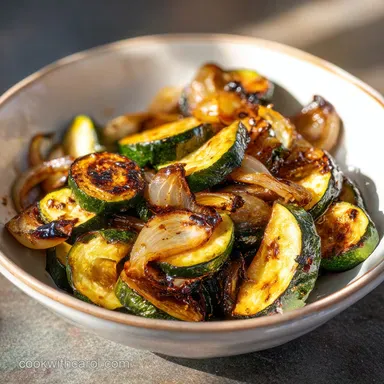
Hibachi Zucchini: Fast and Homemade
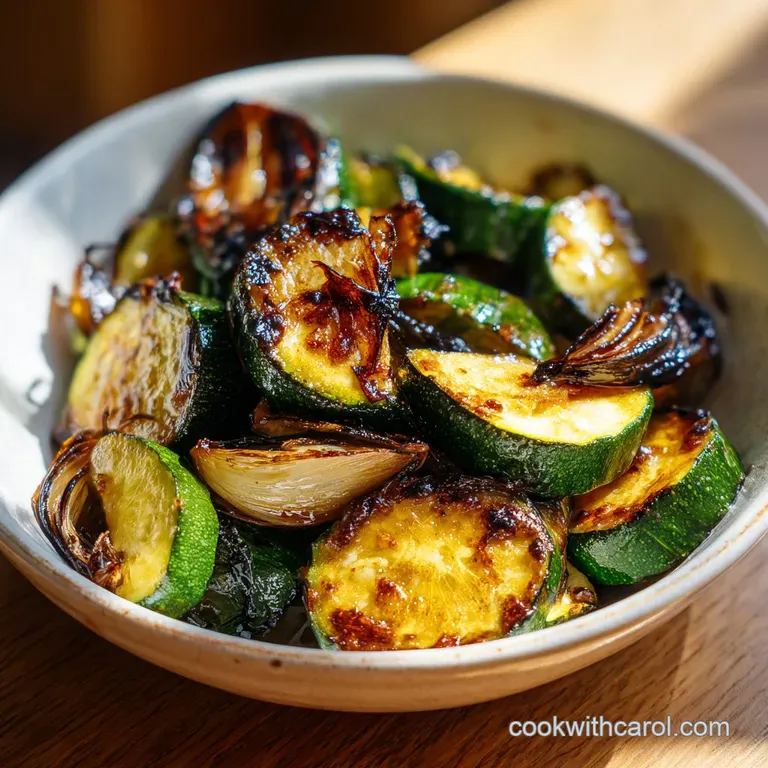
- Time: 5 min active + 15 min cook = Total 20 mins
- Flavor/Texture Hook: Charred, mahogany edges with a velvety, salty glaze
- Perfect for: A 20 minute weeknight side or a weekend dinner party
- The Secret to Perfect Hibachi Zucchini
- Why the Texture Works
- Component Analysis
- The Essential Components
- Basic Kitchen Tools
- Step by Step Instructions
- Fixing Common Mistakes
- Tweak Your Ingredients
- Adjusting Your Batch Size
- Common Kitchen Misconceptions
- Storage Guidelines
- Best Side Pairings
- Recipe FAQs
- 📝 Recipe Card
That loud, aggressive sizzle when the zucchini hits the hot oil is the sound of victory. You know that smell, right? It's that heady mix of browned butter, salty soy, and the sharp scent of garlic hitting a hot pan.
It's the exact aroma that makes you lean in when the chef starts tossing things on the flat top at a Japanese steakhouse.
But let's be real, most of us have failed at this at home. I remember one specific night where I tried to make this for a date. I threw everything in the pan at once, didn't pat the vegetables dry, and ended up with a pan of grey, boiled zucchini soup. It wasn't charred, it wasn't crisp, it was just... sad.
It looked like something from a school cafeteria rather than a high end restaurant.
That's why I'm sharing this specific approach. We aren't just "cooking" the vegetables; we're managing moisture. By treating the zucchini with a bit of respect - giving it space to sear and adding the fats in stages - you get those browned, savory edges.
This Hibachi Zucchini is all about that contrast between the tender center and the caramelized exterior.
The Secret to Perfect Hibachi Zucchini
To get this right, you have to stop thinking about "steaming" and start thinking about "searing." The goal is to evaporate the surface moisture as fast as possible so the sugars in the vegetables can actually brown.
When we crowd the pan, the temperature drops, the vegetables release their water, and you end up with that mushy mess I mentioned.
The magic happens when you let the zucchini sit undisturbed. I used to be a chronic stirrer, moving the food every ten seconds because I was afraid of burning it. Trust me, that's the biggest mistake you can make. You need that contact time with the heat to build the crust.
Once you have that mahogany color, the flavor is locked in.
Since we're using minimal tools, a heavy skillet is your best friend here. You want something that holds heat well, like cast iron or a heavy stainless steel pan. If the pan cools down too much when the vegetables hit, you lose the sear. Keep the heat medium high and keep your ingredients prepped and ready to go.
Why the Texture Works
Water Evaporation: Patting the zucchini dry removes surface moisture, allowing it to sear instead of steam.
Staged Fat Addition: Starting with oil for the over high heat sear and finishing with butter adds a nutty, velvety richness without burning the milk solids.
Sugar Caramelization: A tiny pinch of sugar helps the soy sauce cling and brown, creating that signature glossy glaze.
Acid Balance: The lemon juice cuts through the heavy butter, brightening the overall flavor profile.
| Method | Time | Texture | Best For |
|---|---|---|---|
| Home Skillet | 20 mins | Tender with charred edges | Weeknight meals |
| Blackstone Griddle | 15 mins | Very crisp, high char | Large groups/Parties |
| oven roasted | 25 mins | Softer, uniform browning | Hands off cooking |
Component Analysis
| Ingredient | Science Role | Pro Secret |
|---|---|---|
| Zucchini | Bulk & Moisture | Slice into half moons for more surface area |
| Unsalted Butter | Flavor & Emulsion | Add at the end to prevent burning |
| Soy Sauce | Salt & Umami | Use a low sodium version to control saltiness |
| Lemon Juice | pH Balance | Freshly squeezed provides a sharper "pop" |
The Essential Components
Right then, let's look at what you need. I've kept this simple because that's how the best sides are. Don't overthink the ingredients, but do be precise with the cuts.
- 2 medium zucchini, sliced into 1/4 inch half moons Why this? Half moons provide a flat side for maximum searing
- 1 medium white onion, sliced into wedges Why this? White onions have a cleaner, sharper flavor than yellow
- 3 cloves garlic, minced Why this? Garlic burns fast, so we add it late
- 2 tbsp vegetable oil Why this? Higher smoke point than butter for the initial sear
- 3 tbsp unsalted butter Why this? Adds the classic steakhouse richness
- 2 tbsp soy sauce Why this? Provides the salt and dark color
- 1 tsp lemon juice Why this? Cuts through the fat
- 1/2 tsp granulated sugar Why this? Helps the sauce glaze the veg
- Black pepper to taste
| Original Ingredient | Substitute | Why It Works |
|---|---|---|
| Vegetable Oil | Avocado Oil | Even higher smoke point. Note: Neutral flavor, very safe for high heat |
| Soy Sauce | Tamari | gluten-free alternative. Note: Slightly richer, saltier taste |
| Zucchini | Yellow Squash | Very similar texture. Note: Adds a pop of color but slightly sweeter |
| Unsalted Butter | Vegan Butter | Plant based fat. Note: Check for a high smoke point brand |
Basic Kitchen Tools
You don't need a professional flat top to make homemade Hibachi Zucchini. I've done this with the most basic gear. All you really need is a large skillet. If the pan is too small, you'll crowd the vegetables, and we're back to that "zucchini soup" problem. A 12 inch pan is usually the sweet spot for two zucchini.
A sturdy spatula is also key. You want something that can scrape the browned bits (the fond) off the bottom of the pan and incorporate them back into the glaze. I also recommend a paper towel for the most important step: drying the vegetables. According to Serious Eats, surface moisture is the enemy of a good sear.
Step by step Instructions
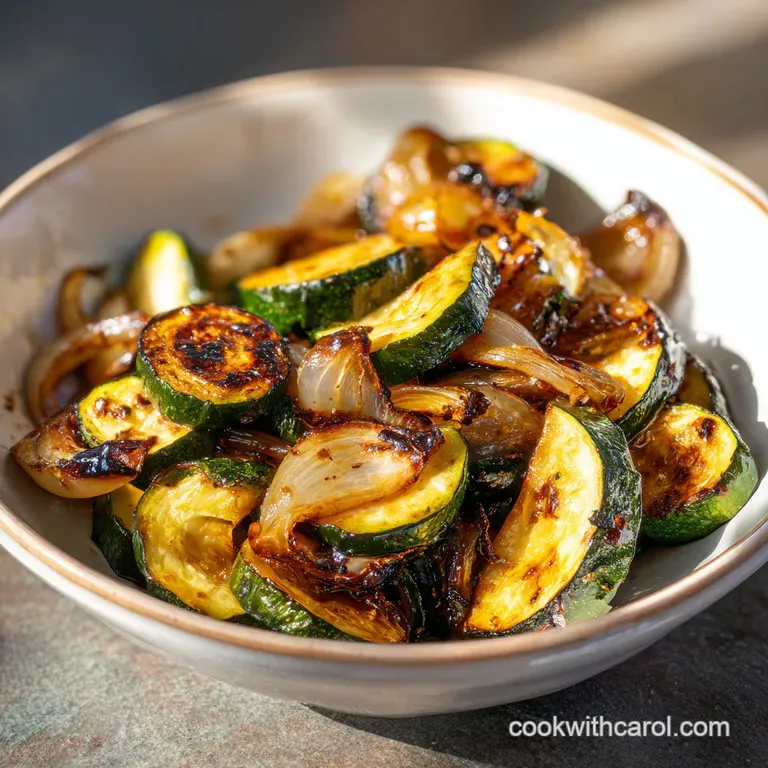
Let's crack on. Make sure everything is chopped and measured before you turn on the heat. This recipe moves fast once the oil is hot.
- Slice zucchini into uniform half moons and cut onion into thick wedges. Pat all vegetables dry with a paper towel. Note: Wet vegetables will steam, not sear
- Heat vegetable oil in a large skillet over medium high heat until shimmering.
- Add onions and toss frequently for 3–4 minutes until translucent and slightly charred.
- Add zucchini in a single layer. Let it sit undisturbed for 2 minutes until a mahogany colored sear develops before stirring.
- Reduce heat to medium. Push vegetables to the edges of the pan and add butter to the center.
- Once butter foams, stir in minced garlic for 30 seconds until fragrant but not brown.
- Pour in soy sauce, lemon juice, and sugar.
- Toss rapidly for 1–2 minutes until the sauce thickens into a glossy glaze that coats the vegetables.
- Season with black pepper and remove from heat immediately.
Chef's Note: If you see the garlic turning dark brown, kill the heat for a second. Burnt garlic tastes bitter and will ruin the whole batch of Hibachi Zucchini.
Fixing Common Mistakes
When things go wrong with Hibachi Zucchini, it's usually a temperature or timing issue. Most people panic when they see the pan smoking a little, but that's actually where the flavor lives. The real danger is the "water dump" - when you add too many cold vegetables at once and the pan temperature plummets.
Why Your Veggies Are Mushy
This usually happens because of overcrowding or too much stirring. If the vegetables aren't in a single layer, they release steam that gets trapped, boiling the zucchini from the inside out.
Why Your Garlic Burned
Garlic has a very low burn point compared to onions. Adding it at the start is a rookie mistake. Always add it during the butter phase, just seconds before the liquid sauce goes in to protect it.
| Problem | Root Cause | Solution |
|---|---|---|
| Watery Pan | Didn't pat dry | Dry veg with paper towels first |
| No Brown Color | Heat too low | Use medium high; don't stir too early |
| Sauce is Too Salty | Too much soy | Add an extra squeeze of lemon juice |
Common Mistakes Checklist:
- ✓ Vegetables patted completely dry before hitting the pan
- ✓ Pan heated until oil is shimmering, not just warm
- ✓ Zucchini left undisturbed for a full 2 minutes
- ✓ Garlic added only after the butter has melted
- ✓ Pan removed from heat as soon as the glaze is glossy
Tweak Your Ingredients
Depending on what's in your fridge, you can easily change this up. If you want to make hibachi zucchini and squash, just use one of each. The yellow squash handles the heat similarly, though it can be slightly softer, so keep the slices a bit thicker.
For those who want a kick, I love adding a teaspoon of sriracha or a pinch of red pepper flakes during the sauce phase. It adds a back end heat that balances the sweetness of the sugar. If you're looking for a hibachi vegetables recipe that feels more substantial, you can toss in sliced carrots or baby corn, but remember to sauté the carrots first since they take longer to soften.
Make it Vegan
Swap the butter for a high-quality vegan butter or an extra tablespoon of oil. To keep that "buttery" depth, a tiny pinch of nutritional yeast in the sauce can mimic the savory notes of dairy.
Add More Heat
Stir in some minced ginger along with the garlic. It adds a zesty, aromatic heat that pairs brilliantly with the soy sauce.
Adjusting Your Batch Size
Scaling this recipe isn't as simple as doubling the ingredients because pan space is your limiting factor. If you try to double the Hibachi Zucchini in one skillet, you will almost certainly end up with mush.
Scaling Down (Half Batch): Use a smaller 8 inch skillet. You can reduce the cooking time by about 20% since there's less mass in the pan to cool the oil. Be careful with the garlic - 1 large clove is plenty.
Scaling Up (Double/Triple Batch): Do NOT double the soy sauce and sugar linearly; increase them by about 1.5x first and taste. More importantly, work in batches. Sear the zucchini in two separate rounds, remove them to a plate, and then toss them all together at the end when adding the butter and sauce.
This ensures every piece gets that mahogany crust.
| Goal | Change | Impact |
|---|---|---|
| More Char | Higher Heat | Risk of burning garlic increases |
| Softer Veg | Lower Heat | Less flavor, more "steamed" texture |
| Thicker Glaze | Extra 30s Cook | Sauce becomes more syrupy and sticky |
Common Kitchen Misconceptions
There's a big myth that you need a Blackstone griddle or a professional hibachi grill to get this result. While a griddle is great for volume, a heavy skillet actually concentrates the heat better for a few servings. You can get a velvety glaze and a great sear on any stovetop.
Another common mistake is thinking that more oil equals crispier vegetables. In reality, too much oil can actually "fry" the zucchini, making it greasy rather than seared. The oil is just a vehicle to get the vegetable to the pan temperature; the butter at the end is what provides the richness.
Storage Guidelines
If you have leftovers, keep them in an airtight container in the fridge for up to 3 days. The zucchini will lose some of its "snap" as it sits, but the flavor actually deepens.
I don't recommend freezing this dish. Zucchini has a very high water content, and once it's been frozen and thawed, the cellular structure breaks down completely. You'll end up with something that has the consistency of wet cardboard.
To reheat, avoid the microwave if you can. A quick toss in a hot skillet for 2-3 minutes will bring back some of that sizzle. If you must use a microwave, do it in 30 second bursts and stir in between to prevent the zucchini from becoming rubbery.
Best Side Pairings
Since this Hibachi Zucchini has a strong salty savory profile, it needs something to balance it out. I always pair it with a fluffy garlic fried rice or a simple steamed jasmine rice. The rice acts as a sponge for any extra soy butter glaze left in the pan.
For proteins, this is a classic match for steak bites or grilled shrimp. If you're keeping it vegetarian, some seared tofu cubes tossed in the same sauce are a winner. For a bit of freshness, serve it alongside a crisp cucumber salad with rice vinegar and sesame seeds to cut through the richness of the butter.
Recipe FAQs
Do hibachi restaurants use zucchini?
Yes, it is a staple. Zucchini is one of the most common vegetable sides served at Japanese steakhouse style grills.
How do you cut up zucchini for hibachi?
Slice zucchini into uniform 1/4 inch half moons. Consistent thickness ensures all pieces sear and cook evenly at the same time.
What do hibachi chefs squirt on vegetables?
They use a combination of soy sauce and lemon juice. These ingredients provide the salty and acidic punch that characterizes the signature hibachi flavor.
What vegetables are typically used in hibachi?
Zucchini and white onion are the primary choices. These vegetables withstand high heat well and pair perfectly with a soy-butter glaze.
Is this hibachi style authentically Japanese?
No, this is a common misconception. This style is a Japanese American fusion known as Teppanyaki, while traditional Japanese hibachi uses a small charcoal brazier.
Can I freeze leftover hibachi zucchini?
No, avoid freezing. Zucchini's high water content breaks down the cellular structure, resulting in a wet, cardboard like consistency after thawing.
How do I get a mahogany colored sear on the zucchini?
Pat the vegetables dry and let them sit undisturbed for 2 minutes. This prevents steaming and allows the medium high heat to caramelize the surface.
Hibachi Zucchini