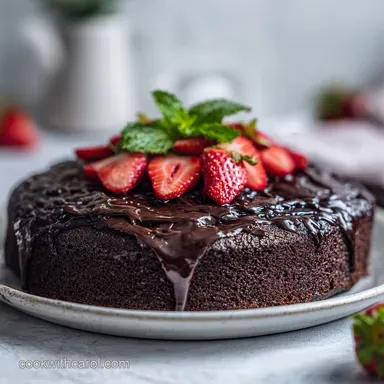
Rich and Moist Black Chocolate Cake
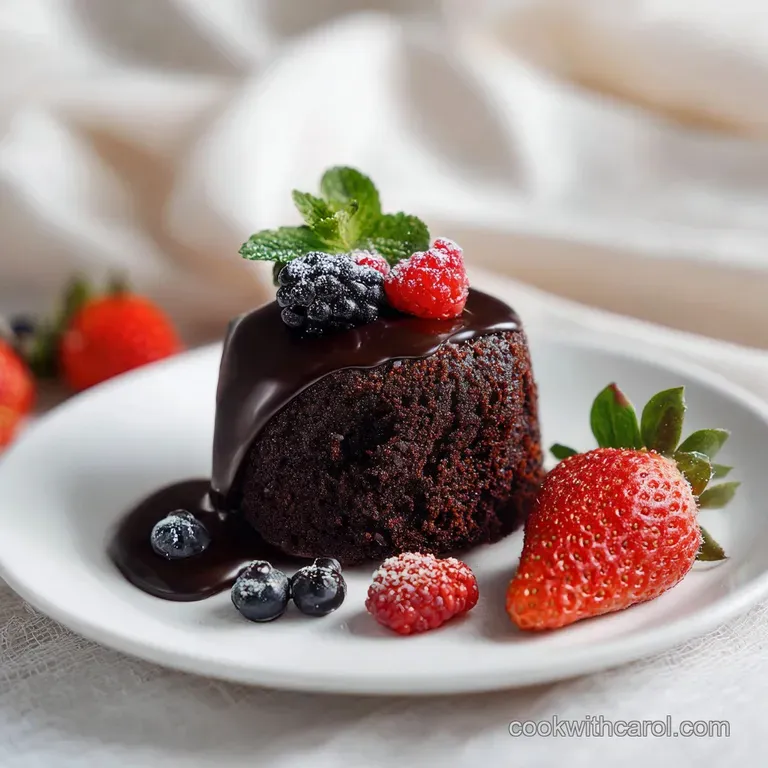
- Time: 20 min active + 35 min bake
- Flavor & Texture: Intense dark cocoa with a rich and moist crumb
- Perfect for: Birthday parties, gothic themed events, or chocolate lovers
Ever tried making a dark cake only for it to come out a muddy, depressing grey? It's a common frustration when the cocoa isn't processed enough or the acidity is off. Most recipes rely on standard cocoa, but that just doesn't give you that striking, obsidian look.
This Black Chocolate Cake fixes that by using alkalized black cocoa and a specific blooming technique. You get a cake that looks like midnight but tastes like a classic, decadent treat. It's budget-friendly too, using neutral oil instead of pounds of butter in the batter.
We're aiming for a result that is rich and moist, with a crumb that holds together but melts on the tongue. No rubbery textures or dry edges here. Just a deep, dark, Chocolate Cake: Rich and Moist that actually works.
What Makes the Texture Work
- Cocoa Blooming: Adding boiling water to the dry cocoa wakes up the flavor compounds and dissolves lumps. This ensures the Black Chocolate Cake has a consistent color and a deeper chocolate punch.
- Kefir Acidity: The lactic acid in kefir reacts with the baking soda. This create tiny air bubbles that lift the batter, keeping the cake: rich and moist even with the heavy cocoa load.
Since we're focusing on a budget smart approach, I've compared the most common fat choices for this specific recipe below.
| Fat Choice | Cost | Texture Impact | Best For |
|---|---|---|---|
| Neutral Oil | Low | More moist, stays soft longer | Everyday baking |
| Unsalted Butter | Medium | Richer, firmer crumb | Special occasions |
| Applesauce | Low | Denser, slightly tangier | Lower fat versions |
Understanding the Ingredients
The combination of black cocoa and acidic kefir is what prevents the cake from feeling too heavy.
| Ingredient | Role | If You Don't Have It |
|---|---|---|
| Black Cocoa Powder | Deep color and earthy flavor | Dutch process cocoa (color will be brown) |
| low-fat Kefir | Tenderizes crumb and adds lift | Sour cream thinned with a splash of milk |
| Boiling Water | Blooms cocoa and thins batter | Very hot coffee (deepens flavor) |
| Baking Soda | Leavening agent | 3x Baking powder (adjusts pH balance) |
Gathering Your Essentials
Here is everything you need. I've included the best budget swaps that don't ruin the results.
For the Black Chocolate Cake 2 cups (250g) all purpose flour 3/4 cup (65g) black cocoa powder Why this? Provides the signature dark color. 1 cup (200g) granulated sugar 1 1/2 tsp (7g) baking soda 1/2 tsp (3g) salt 1 cup (240ml) low-fat kefir Why this? Keeps it rich and moist. 2 large (100g) eggs 1/2 cup (120ml) neutral oil (canola or vegetable) 1 tbsp (15ml) vanilla extract 1 cup (240ml) boiling water
For the Lightened Cocoa Frosting 1/2 cup (115g) unsalted butter, softened 2 cups (240g) powdered sugar 1/4 cup (25g) black cocoa powder 3 tbsp (45ml) heavy cream 1 tsp (5ml) vanilla extract
| Original Ingredient | Substitute | Why It Works |
|---|---|---|
| Heavy Cream | Full fat coconut milk | Similar fat content. Note: Adds a slight coconut hint |
| Kefir | Greek Yogurt + Lemon | Mimics the acidity and thickness |
| Neutral Oil | Melted Coconut Oil | Similar fat profile, slightly more flavor |
Right then, let's get the gear ready. You don't need a fancy setup, but a few basics make this much easier.
Necessary Baking Tools
- Two 8 inch round cake pans
- Parchment paper (don't skip this for dark cakes!)
- A large mixing bowl
- Whisk and a rubber spatula
- Electric hand mixer (for the frosting)
- Wire cooling rack
Step-by-step Instructions

Let's get into it. Follow these steps to ensure your Black Chocolate Cake comes out with that deep, dark finish.
1. Prep and Prime
Preheat your oven to 350°F (175°C). Grease two 8 inch cake pans and line the bottoms with parchment paper. Note: Black cocoa batter is sticky, and parchment ensures a clean release.
2. Combine Dry and Bloom
Sift together the flour, black cocoa, sugar, baking soda, and salt into a large bowl. Pour the boiling water over the mixture and whisk briefly. Note: This "blooms" the cocoa, intensifying the color and removing lumps.
3. Incorporate Wet Ingredients
Whisk in the kefir, eggs, oil, and vanilla extract. Mix until the batter is glossy and smooth. Stop as soon as no streaks of flour remain to avoid a rubbery texture.
4. The Bake
Divide the batter evenly between the two pans. Bake for 30-35 minutes until a toothpick comes out with a few moist crumbs.
5. Cool and Assemble
Cool the cakes in their pans for 10 minutes. Transfer them to a wire rack to cool completely. Note: Frosting a warm cake will cause the butter to melt and slide off.
6. Cream the Butter
Beat the softened butter until pale and fluffy. Gradually add powdered sugar until the mixture is smooth.
7. Color the Frosting
Mix in the black cocoa powder, heavy cream, and vanilla extract. Beat on medium speed until the frosting looks glossy and holds a peak.
8. Final Layering
Place one cake layer on a plate, spread a generous layer of frosting, and top with the second cake. Frost the top and sides as desired.
Chef's Tip: If your frosting feels too stiff, add one extra teaspoon of heavy cream at a time. If it's too runny, chill it in the fridge for 10 minutes before whipping again.
Fixing Common Cake Problems
Even with a solid plan, baking can be temperamental. Most issues with the Black Chocolate Cake come down to temperature or mixing.
If your cake is too dense, you might have overmixed the batter after adding the eggs. This develops too much gluten, which fights against the rise. For a grey color, check your cocoa label; only "Black Cocoa" (alkalized) provides that Goth Cake Recipe look.
Solving Texture Issues
Overmixing is the enemy of a light crumb. If you see the batter becoming stretchy rather than pourable, stop whisking immediately.
Adjusting Frosting Consistency
The humidity in your kitchen can change how powdered sugar behaves. Always add your liquid (cream) slowly to avoid turning your frosting into a glaze.
| Problem | Root Cause | Solution |
|---|---|---|
| Cake is grey/brown | Used regular cocoa powder | Use specifically labeled "Black Cocoa" |
| Sunk center | Oven door opened too early | Wait until 30 mins before checking |
| Grainy frosting | Butter was too cold | Warm butter slightly and re beat |
| Rubbery crumb | Overmixed the batter | Whisk just until smooth, then stop |
Wait, let's clear up some things you might have heard. Searing isn't the only thing that can be misunderstood.
The "Sifting" Myth: Some say sifting is optional. For this Black Chocolate Cake, it's not. Black cocoa tends to clump more than regular cocoa, and those clumps stay as bitter pockets in the finished cake.
The "Butter vs. Oil" Debate: People claim butter always makes a better cake. Actually, oil creates a more consistent, rich and moist texture that stays fresh longer in the fridge.
The "Room Temp" Rule: You don't actually need room temp eggs for this specific method because the boiling water warms the batter. Just make sure your frosting butter is soft, or you'll have lumps.
Storing Your Slices
Store the Black Chocolate Cake in an airtight container; it keeps well for 5 days when refrigerated. Because oil is used instead of butter, the sponge won't firm up as quickly as other cakes.
For a longer shelf life, wrap single slices in plastic wrap and freeze for up to 3 months. To serve, either let a slice defrost in the refrigerator overnight or microwave it for 15 seconds for a warm, fudgy treat.
Zero Waste Tip: Don't toss any leftover frosting. Instead, freeze small dollops on parchment paper, then move them into a freezer bag. They make great, quick toppings for pancakes or toast.
Best Ways to Serve
This cake is quite intense, so balance is key. I love serving a slice with a dollop of unsweetened whipped cream or a handful of fresh raspberries to cut through the richness.
If you're looking for other dark treats, you might like my Black Velvet Cake for a slightly different flavor profile. For something smaller and easier to share, Black Bottom Cupcakes are a great alternative.
Creative Twists and Swaps
Want to change things up? This recipe is a great base for a few variations.
- Espresso Punch: Replace the boiling water with hot brewed espresso. This doesn't make the cake taste like coffee but makes the chocolate flavor scream.
- The Black Velvet Twist: Add a teaspoon of white vinegar to the batter. This gives it that subtle tang found in a traditional Black Velvet Cake Recipe.
- Salted Dark Chocolate: Sprinkle a pinch of flaky sea salt over the frosting. It balances the sweetness of the powdered sugar.
- Vegan Version: Swap the eggs for "flax eggs" (1 tbsp ground flax + 3 tbsp water per egg) and use a vegan butter substitute in the frosting.
If you're craving a quicker chocolate hit, a chocolate protein smoothie is a good way to satisfy the urge without the bake time. But for a real celebration, nothing beats a full Black Chocolate Cake.
This Chocolate Cake: Rich and Moist is all about that contrast between the dark look and the tender feel. Just remember to trust the blooming process and don't overwork the batter. Enjoy your slices!
Recipe FAQs
How to achieve the deep black color?
Use black cocoa powder as the primary cocoa source. This ingredient is processed to be naturally dark, providing a midnight hue without artificial colors.
What makes this different from Black Forest cake?
Black Forest cakes feature layers of cherries and whipped cream. This version relies on a deep cocoa base and a rich buttercream frosting.
Is it true you need food coloring for a black cake?
No, and here's why. The intense color comes entirely from the black cocoa powder used in both the batter and the frosting.
Why use kefir in the batter?
Kefir adds acidity that reacts with baking soda to create a light, tender crumb. If you enjoyed achieving a smooth finish here, see how we prioritize a similar silky consistency in our no-bake cheesecake.
Black Chocolate Cake with Black Cocoa