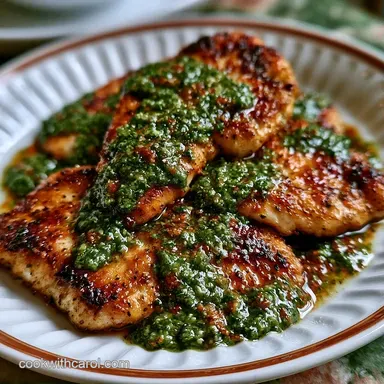
Creamy Basil Pesto Chicken
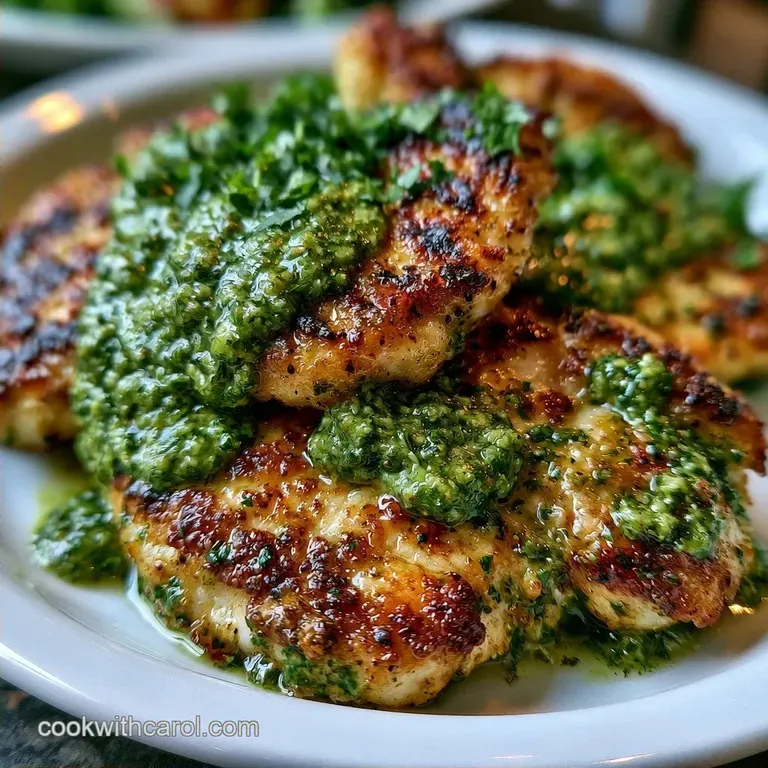
- Time: 10 mins prep + 20 mins on the heat
- Taste Profile: Rich, garlicky, and bright
- Perfect for: A quick weeknight meal
- Quick Details for Basil Pesto Chicken
- The Best Pesto Chicken Ingredients
- Essential Tools for This Dish
- Cooking the Basil Pesto Chicken
- Fixing Pesto Chicken Issues
- Different Ways to Serve It
- Storing Your Pesto Chicken
- Top Pesto Chicken Pairings
- The Trick to the Flavor
- High in Sodium
- High in Sodium
- Recipe FAQs
- 📝 Recipe Card
I once attempted a creamy chicken dish where I simply simmered everything in a single pot. The result was a depressing, rubbery mess of grey meat floating in a sauce that looked like oily water. It was a total failure.
You won't get a restaurant style crust by boiling the chicken. To achieve a professional result, you need a shimmering pan and a specific order of operations. This Basil Pesto Chicken is all about the balance between the sear and the simmer.
The goal is a mahogany crust and a sauce that clings to the meat. It is a simple process, but the timing is crucial. Once the oil begins to shimmer, the pace picks up quickly.
Quick Details for Basil Pesto Chicken
The goal here is balance. You have the heavy fats from the cream and Parmesan, but the lemon juice and basil cut right through that richness. It's a meal that feels fancy but takes about 30 minutes from start to finish.
Right then, let's look at the logistics. We're using thin cutlets because they cook evenly and fast, which prevents the outside from burning before the inside is done. If you use whole breasts, they often dry out before they hit 165°F.
DIVTABLE_0
The Best Pesto Chicken Ingredients
Proper seasoning is key for the chicken. Salt and garlic powder don't just add taste; they are essential for achieving a deep golden brown sear. Skipping the garlic powder means missing out on a critical layer of savory richness.
When it comes to the sauce, heavy cream is a must. Half and half lacks the necessary body and may separate when the pesto is added. The Parmesan brings a salty, nutty quality that perfectly complements the herbal notes of the basil.
- 1.5 lbs chicken breast, sliced into thin cutlets Why this? Ensures quick cooking and tenderness (Substitute: Chicken thighs for more fat)
- 2 tbsp olive oil Why this? Stable at high searing temperatures (Substitute: Avocado oil)
- 1 tsp salt Why this? Helps the meat retain moisture (Substitute: Kosher salt)
- 1/2 tsp cracked black pepper Why this? Adds a pungent kick (Substitute: White pepper)
- 1 tsp garlic powder Why this? Promotes a flavorful crust (Substitute: Onion powder)
- 1/2 cup basil pesto Why this? The primary flavor source (Substitute: Walnut pesto)
- 1 cup heavy cream Why this? Provides richness and stability (Substitute: Full fat coconut cream)
- 1/2 cup grated Parmesan cheese Why this? Thickens the sauce naturally (Substitute: Pecorino Romano)
- 2 cloves garlic, minced Why this? Adds a fresh aromatic hit (Substitute: 1 tsp garlic paste)
- 1 tbsp fresh lemon juice Why this? Balances the heavier fats (Substitute: White wine)
- 1/4 tsp red pepper flakes Why this? Provides a hint of heat (Substitute: Cayenne pepper)
Essential Tools for This Dish
You really need a 12 inch skillet. A small pan crowds the chicken, which drops the temperature and causes the meat to steam instead of sear. That's how you get that dreaded grey color. Stainless steel or cast iron works best for the crust, but non stick is fine if that's all you have.
A whisk is a must for the sauce. You need to keep the cream moving as it simmers to ensure a smooth emulsion. If you just stir with a spoon, you might get clumps of Parmesan or pockets of oil.
DIVTABLE_1
Cooking the Basil Pesto Chicken
Time to get started. The secret is using high heat for the meat and a gentler touch for the sauce.
- Sprinkle the chicken cutlets evenly with garlic powder, salt, and pepper.
- In a 12 inch skillet, warm olive oil over medium high heat until it shimmers.
- Cook the chicken in a single layer for 3–5 minutes per side until a rich, golden crust develops and the center reaches 165°F (74°C). Note: Use a thermometer to keep the meat from overcooking.
- Transfer the chicken to a plate and set it aside to rest.
- Lower the heat to medium, then add the red pepper flakes and minced garlic to the pan.
- Sauté for 60 seconds, scraping up the browned bits until the garlic is fragrant.
- Whisk in the heavy cream and bring the mixture to a gentle simmer for 2 minutes.
- Stir in the Parmesan and basil pesto. Whisk until the sauce is smooth and thick enough to coat a spoon.
- Stir in the lemon juice at the very end.
- Place the seared chicken breasts back into the pan. Spoon sauce over them and simmer for 1–2 minutes until the meat is hot and glazed.
Chef's Tip: If the sauce is too thick after adding the cheese, stir in a tablespoon of chicken broth or water to thin it out.
Fixing Pesto Chicken Issues
Dealing with a sauce that separates is the most common headache here. It usually happens if the heat is too high.
Fixing a Broken Sauce
If you see oil pooling on top of your cream, the sauce has broken. To fix this, remove the pan from the heat immediately and whisk in a teaspoon of cold water or a tiny bit more cream. This helps re bind the fats.
Preventing Dry Meat
Dry chicken happens when people cook it too long in the sauce. The meat is already cooked from the sear. You are only returning it to the pan to warm it through. Follow the searing techniques to get a crust without overcooking the center.
Managing a Thin Sauce
If your sauce is too runny, you likely didn't simmer the cream long enough before adding the pesto. Let it bubble gently for another minute. You can also add an extra tablespoon of Parmesan to thicken it up.
Different Ways to Serve It
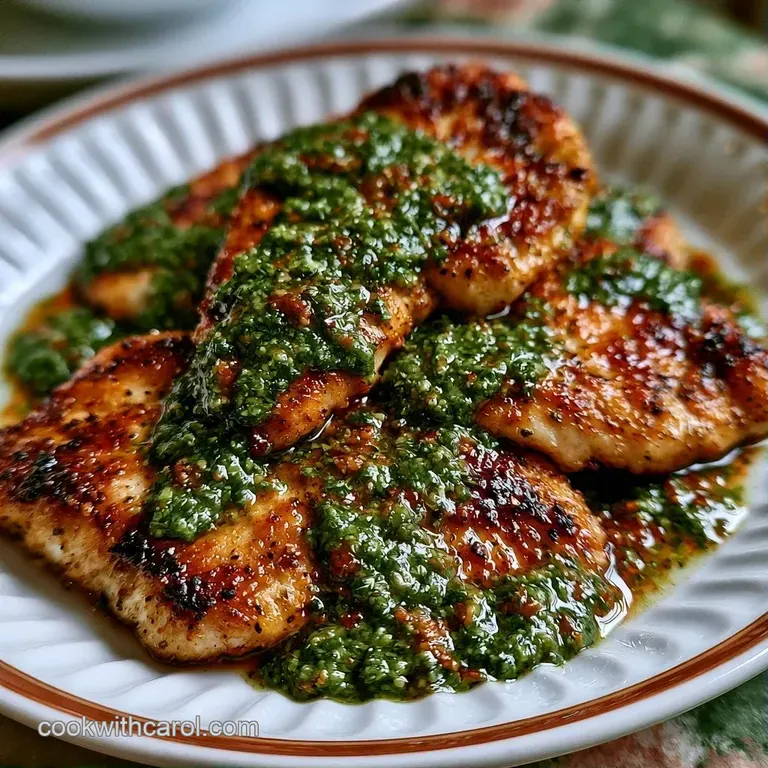
This Basil Pesto Chicken is incredibly flexible. For a more filling dinner, you can transform it into a Creamy Basil Pesto Chicken Pasta by stirring in cooked penne or fettuccine during the final simmer, which helps the pasta absorb the rich sauce.
If you are avoiding carbs, serve this Creamy Basil Pesto Chicken Breast over roasted cauliflower or sautéed spinach. Alternatively, if you prefer a more hands off method, try a Creamy Pesto Chicken Bake in the oven.
Another delicious pairing is orzo. To create a Creamy Basil Pesto Chicken Orzo, cook the pasta on its own and mix it into the pan right before returning the chicken. For a quicker, one-pan approach, a Chicken Pesto Skillet is a great choice.
For a little extra flavor, use these shortcuts: - Want more brightness? → stir in 1 tsp lemon zest - Prefer more heat? → add 1/4 tsp extra red pepper flakes - Like a nuttier profile? → garnish with toasted pine nuts
Storing Your Pesto Chicken
Store any leftovers in an airtight glass container in the refrigerator for 3 to 4 days. Note that the cream and Parmesan will cause the sauce to thicken considerably as it cools.
When reheating, it's best to steer clear of the microwave, which can cause the cream sauce to separate and the chicken to become rubbery. Instead, gently warm the chicken and sauce in a small skillet over low heat, stirring in a splash of milk or water to restore its silky texture.
To reduce waste, don't discard the extra sauce left in the pan. Instead, use it as a base for a quick pesto pasta or spread it on toasted ciabatta for a tasty lunch. If you've made your own pesto and have basil stems remaining, add them to a pot of vegetable stock for an extra herbal touch.
Top Pesto Chicken Pairings
To balance the richness of the Basil Pesto Chicken, I suggest a side of peppery arugula tossed in a bright lemon dressing. The sharp greens and acidity cut through the creamy texture perfectly.
For a hearty side, roasted baby potatoes or a mound of garlic mashed potatoes are great options. If you're looking for something lighter, try steamed asparagus or sautéed zucchini. The vibrant green hues of these vegetables complement the pesto both visually and flavor wise.
A crisp white wine, such as Sauvignon Blanc, pairs beautifully here, as its citrus notes echo the lemon juice in the sauce. For a non-alcoholic alternative, sparkling water with a lemon slice is an ideal palate cleanser.
The Trick to the Flavor
The real magic of this Basil Pesto Chicken comes from the fond. Those brown bits stuck to the pan after searing the meat are concentrated flavor bombs. When you add the garlic and then the cream, you deglaze the pan, lifting those bits into the sauce.
The lemon juice is the other critical part. Without it, the heavy cream and pesto can feel too heavy on the tongue. The acid provides a necessary contrast that makes the basil taste brighter and the chicken taste more savory.
Searing meat does not actually "seal in juices," which is a common myth. Moisture loss happens regardless of the sear. The crust is purely for flavor and texture. By searing first and then glazing, we get the best of both worlds: a savory exterior and a juicy interior.
Another myth is that you should cook pesto for a long time to "develop" the flavor. Actually, basil is delicate. High heat for too long turns the vibrant green into a dull brown and kills the fresh taste. That's why the pesto goes in toward the end.
High in Sodium
850 mg 850 mg of sodium per serving (37% 37% of daily value)
The American Heart Association recommends a daily sodium limit of no more than 2,300 mg for most adults to maintain heart health.
Tips to Reduce Sodium
-
Reduce Added Salt-25%
Eliminate or halve the 1 tsp of salt. Since the pesto and Parmesan cheese are already salty, the additional salt is unnecessary.
-
Low-Sodium Pesto-20%
Swap store-bought pesto for a homemade version without added salt or select a certified low-sodium brand.
-
Limit Parmesan-15%
Reduce the amount of grated Parmesan cheese by half or use a high flavor aged variety to use less while keeping the taste.
-
Boost Fresh Aromatics
Increase the fresh lemon juice or add a bit more cracked black pepper to enhance the flavor profile without adding sodium.
High in Sodium
850 mg 850 mg of sodium per serving (37% 37% of daily value)
The American Heart Association recommends a daily sodium limit of 2,300 mg, with an ideal limit of 1,500 mg for most adults to reduce cardiovascular risk.
Tips to Reduce Sodium
-
Eliminate Added Salt-25%
Remove the 1 tsp of salt entirely. The Parmesan and pesto already provide significant sodium, making extra salt unnecessary.
-
Swap Your Pesto-20%
Use a low-sodium basil pesto or make a homemade version without added salt to significantly cut processed sodium.
-
Reduce Parmesan Cheese-15%
Cut the grated Parmesan cheese in half or replace a portion with nutritional yeast for a similar nutty flavor with less salt.
-
Boost the Acidity-10%
Increase the fresh lemon juice to 2 tbsp. Acidity mimics the taste of salt and enhances the natural flavors of the chicken.
-
Enhance with Aromatics
Add more cracked black pepper or fresh cracked peppercorns to add depth and heat without adding any sodium.
Recipe FAQs
How to make the pesto cream sauce?
Whisk heavy cream over medium heat then stir in basil pesto and Parmesan. Add lemon juice last for a fresh finish.
Can you turn this into a pasta dish?
Toss cooked pasta directly into the pan with the chicken and sauce. This technique is very similar to our creamy pesto recipe.
Is it true that pesto turns brown when cooked?
This one's false: stirring the pesto into the cream at the end of the process helps maintain a vibrant green color.
What are ways to use leftover pesto?
Mix it into a fresh salad for a quick meal. It also works well as a spread for toasted bread.
Could I mix Alfredo sauce with pesto?
Yes, these two flavors blend perfectly. This recipe achieves that same effect by combining heavy cream, Parmesan, and pesto.
Do I need to sear the chicken first?
Sear the chicken for 3 5 minutes per side to reach 165°F. This creates a golden crust that adds depth to the final dish.
Creamy Basil Pesto Chicken