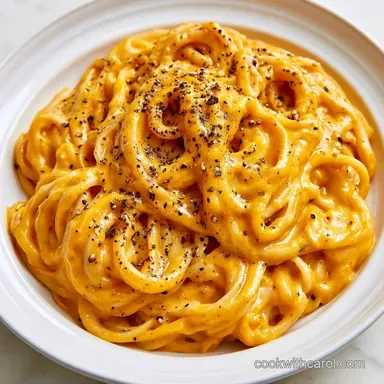
Roasted Creamy Butternut Squash Pasta

- Time: 10 min active + 30 min cook
- Taste & Texture: Nutty, caramelized squash with a smooth glaze
- Best for: An elegant yet cozy weeknight meal
Nothing beats the scent of fried sage and browned butter hitting a hot skillet during autumn. It’s a fragrance that signals it is finally time to swap out the light summer salads for something heartier and more satisfying.
When I first attempted this dish, I thought I’d be clever and boil the squash to save time. It was a complete failure; I ended up with a bland, watery porridge that tasted like cardboard and refused to cling to the noodles.
I spent a while trying to refine the process, even trying low-temperature roasting for an hour, but that only steamed the vegetables. While the result was fine, it lacked a deep, savory intensity. Everything clicked once I cranked the oven heat up and allowed the edges to truly brown.
You’ll love this Butternut Squash Pasta because it delivers restaurant level quality using just a blender and one pot. It’s a brilliant way to pack a huge amount of vegetables into a meal without it feeling like a "health food" dish.
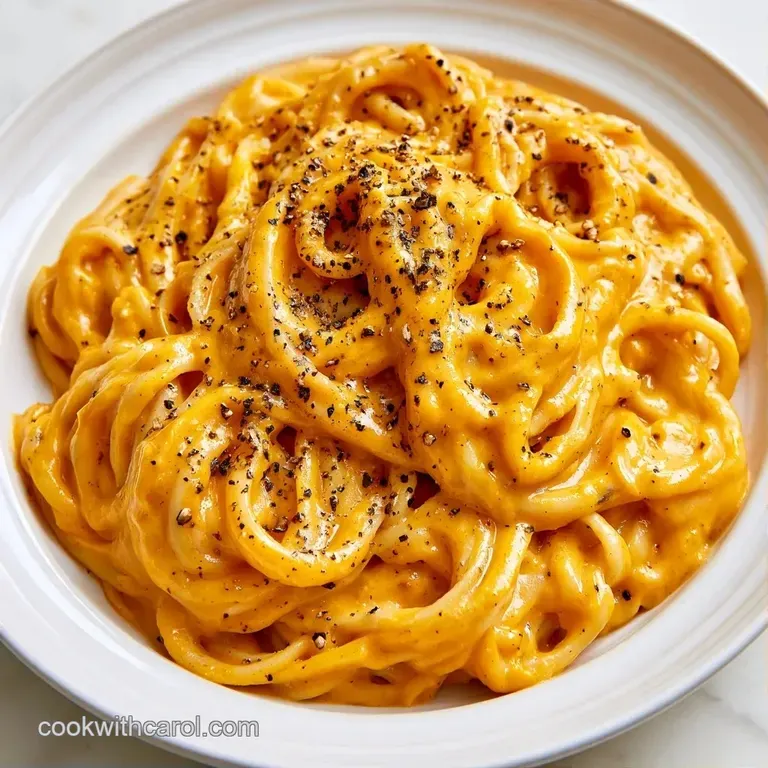
The result is a rich, mahogany hued sauce that coats every single ridge of the pasta. It is exactly the kind of meal you crave when the air turns chilly.
Why This Butternut Squash Pasta Works
Over High heat Roasting: Roasting at 425°F creates charred edges on the squash. This adds a nutty, toasted flavor that you just can't get from boiling or steaming.
Pasta Water Emulsion: Starch from the reserved water binds the squash puree and Parmesan cheese. It creates a glossy glaze that prevents the sauce from separating or looking grainy. If you love this style of creamy vegetable sauce, you might also like my baked squash mac for something even heartier.
Fresh Sage and Butter: Adding these at the very end keeps the sage from burning. It provides a sharp, herbal contrast to the sweetness of the squash.
| Method | Time | Texture | Best For |
|---|---|---|---|
| Fresh Roast | 40 mins | Deep, charred, rich | Flavor focused meals |
| Frozen Cubes | 30 mins | Softer, milder | Quick weeknights |
| Boiled Squash | 25 mins | Watery, bland | Purees/Baby food |
Essential Recipe Specs
This Butternut Squash Pasta is designed for minimal cleanup. You've got one baking sheet and one pot for the pasta. I've found that Rigatoni or Penne work best because the hollow centers catch the thick sauce. If you use a thin noodle like spaghetti, the sauce tends to slide off, and you lose that satisfying bite.
Keep an eye on your oven. Every oven hits 425°F differently. You're looking for the squash to be tender when pierced but clear brown spots on the corners. That's where the flavor lives. Trust me on this, don't pull them out as soon as they're soft. Wait for the color.
Ingredient Guide and Swaps
The choice of Parmesan significantly impacts the final dish. Opt for a fresh wedge you can grate yourself instead of the pre-shredded powder found in canisters. Authentic cheese blends seamlessly into the sauce, while the powdered version can leave the Butternut Squash Pasta feeling gritty.
| Ingredient | What It Does | Best Swap |
|---|---|---|
| Butternut Squash | Base texture and sweetness | Kabocha squash (denser, sweeter) |
| Parmesan Cheese | Savory depth and thickness | Pecorino Romano (sharper, saltier) |
| Fresh Sage | Earthy, woody fragrance | Fresh rosemary or thyme |
| Rigatoni Pasta | Firm shape to hold the sauce | Fusilli or Campanelle |
- 2 lbs butternut squash, peeled and cut into 1 inch cubes Why? Provides a consistent sweetness and smooth consistency.
- 3 tbsp extra virgin olive oil Why? Ideal for high temperature roasting.
- 4 cloves garlic, peeled and smashed Why? Roasting creates a milder, sweeter flavor.
- 1 tsp kosher salt
- 1/2 tsp black pepper
- 1/2 cup reserved pasta cooking water Why? The starch helps the sauce bind.
- 1/2 cup grated Parmesan cheese
- 1/4 tsp ground nutmeg Why? This balances the heavy richness.
- 2 tbsp unsalted butter
- 1 lb Rigatoni or Penne pasta
- 1/4 cup fresh sage leaves, chopped
Lacking fresh sage? Use 1 tsp of the dried variety, but blend it with the squash rather than stirring it in at the end. It won't be as potent, but it's a solid alternative.
Tools You'll Actually Need
Basic kitchen gear is all you need. I rely on a standard rimmed baking sheet and a high speed blender. If you prefer an immersion blender, just transfer the roasted vegetables into a deep pot or bowl first.
A reliable colander is necessary for draining the pasta. Be sure to reserve some pasta water with a measuring cup before draining. It's a common error to empty the pot completely and then realize you lack the liquid needed to loosen the sauce.
Steps to the Plate
1. The over High heat Blast
Preheat your oven to 425°F (218°C). Toss the cubed squash and smashed garlic with olive oil, salt, and pepper directly on the baking sheet. Spread them in a single layer so they don't crowd each other. Roast for 20–25 minutes until edges are charred and squash is tender.
2. The Blend
Transfer the roasted squash and garlic into a blender. Add the nutmeg and a splash of pasta water. Blitz on high until smooth and glossy. If the motor struggles, add another tablespoon of water to get it moving.
3. The Pasta Boil
Boil your pasta in salted water until it is slightly under al dente. Reserve 1 cup of the starchy water before draining. This is the most important part of making Butternut Squash Pasta because the water acts as the glue for the sauce.
4. The Emulsion Finish
Return the pasta to the pot over medium heat. Stir in the squash puree and the Parmesan cheese. Toss for 2 minutes, adding reserved pasta water gradually until a silky glaze forms.
5. The Final Touch
Stir in the butter and fresh sage. Keep stirring until the butter is melted and sage is wilted. Remove from heat immediately so the sage doesn't turn brown.
Chef's Note: If the sauce looks too thick, don't be afraid to add more pasta water. It should look like a thick cream, not a paste.
Fixing Common Issues
If your Butternut Squash Pasta isn't coming together, the issue is usually texture. Since the water content in squash varies, the sauce can be temperamental. If it feels too heavy or clings to the pan, just add more liquid and a bit of heat to loosen it.
Sauce is Too Thick
This happens when the squash is over roasted or there isn't enough pasta water. Instead of flowing, the sauce will look gummy.
Flavor Feels Flat
If the profile is too sweet or tastes "one note," it lacks acidity. A dash of lemon juice right before serving will brighten the dish.
Texture is Grainy
This is usually caused by stirring in cheese too quickly or using store-bought shredded cheese with cellulose coatings.
| Problem | Fix |
|---|---|
| Gummy Sauce | Whisk in 2-4 tbsp pasta water over low heat |
| Bland Taste | Mix in some lemon or extra black pepper |
| Grainy Sauce | Blend the puree longer or use fresh grated cheese |
Best Ways to Serve
Because this Butternut Squash Pasta is so indulgent, it pairs best with sides that offer acidity or a bit of crunch. I usually go for fresh arugula tossed in a bright lemon dressing, as the peppery greens balance the sweetness of the squash.
If you're looking for extra protein, I recommend topping the pasta with grilled chicken or pan-seared scallops. For a vegetarian alternative, toasted pumpkin seeds or walnuts add a lovely textural contrast to the velvety sauce.
| Goal | What to change |
|---|---|
| Creamier | Add 1 tbsp extra butter |
| Zestier | Add 1 tsp lemon zest |
| Spicier | Add 1/2 tsp red pepper flakes |
Keeping Leftovers Fresh
Keep any leftover Butternut Squash Pasta in a glass dish in the refrigerator for 4 days. The sauce will thicken significantly as it cools because the starches set.
To reheat, stir in a splash of water or a tiny bit of milk before microwaving. This loosens the sauce so it doesn't turn into a block. I wouldn't recommend freezing the pasta itself, as the texture can become mushy. However, you can freeze the squash puree on its own for several months. If you have extra puree, you can transform it into a squash potage by adding coconut milk and broth.
For zero waste, save your squash peels. Toss them in olive oil and salt, then roast them at 400°F until they're crisp like chips. They make a wonderful snack while you're waiting for the pasta to boil.
Twist Your Flavors
To customize the flavor profile of this Butternut Squash Pasta, a few simple swaps work wonders. For a cozy winter twist, replace the sage with fresh rosemary and add a pinch of cinnamon to give the dish a holiday dinner aroma.
For those following a plant based diet, this can easily be converted into a Vegan Butternut Squash Pasta. Substitute the butter with more olive oil or a high-quality vegan butter, and use nutritional yeast instead of Parmesan. While you'll lose some of that sharp, salty tang, the squash provides plenty of richness.
You can also transform this meal into a Butternut Squash Pasta Bake. Transfer the combined pasta to a baking dish, top it with extra breadcrumbs and mozzarella, and broil for 3-5 minutes until the cheese is brown and bubbling.
This more indulgent version pairs the charred topping perfectly with the sweetness of the squash.
Whether this is a quick Tuesday night meal or a cozy date, the secret is in the roast. Ensure the edges are well browned and don't forget the pasta water; these steps create a dinner that tastes much more sophisticated than the effort required. This Butternut Squash Pasta is a fantastic staple for any autumn rotation.
Recipe FAQs
How to use butternut squash as pasta?
Roast cubed squash at 425°F for 20 25 minutes. Blend the roasted pieces with garlic and nutmeg to create a creamy sauce for your noodles.
Which sauce pairs best with butternut squash pasta?
A velvety puree made from roasted butternut squash and Parmesan cheese is the ideal choice. This combination balances the sweetness of the vegetable with a salty, savory finish.
Is it true that I must boil the squash before roasting?
Not true. Roasting the squash at 425°F concentrates the sugars and adds a charred flavor that boiling would lose.
Can I substitute the rigatoni with another noodle?
Use penne or any tubular pasta that can hold the thick puree inside. If you enjoyed mastering the sauce clinging texture here, see how that same coating principle works in our macaroni salad.
Why does my puree feel grainy?
Blend the roasted squash on high until it becomes smooth and glossy. Adding a splash of reserved pasta water during the blending process helps achieve a professional consistency.
What sides work well with this meal?
Serve this with a light, acidic salad to cut through the richness of the butter and Parmesan. A fresh green salad provides a refreshing contrast to the sweet squash.
Creamy Butternut Squash Pasta