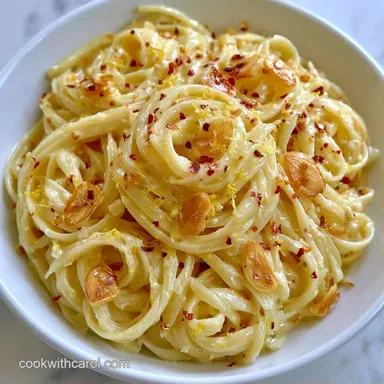
Quick Side Dish Pasta in 15 Minutes
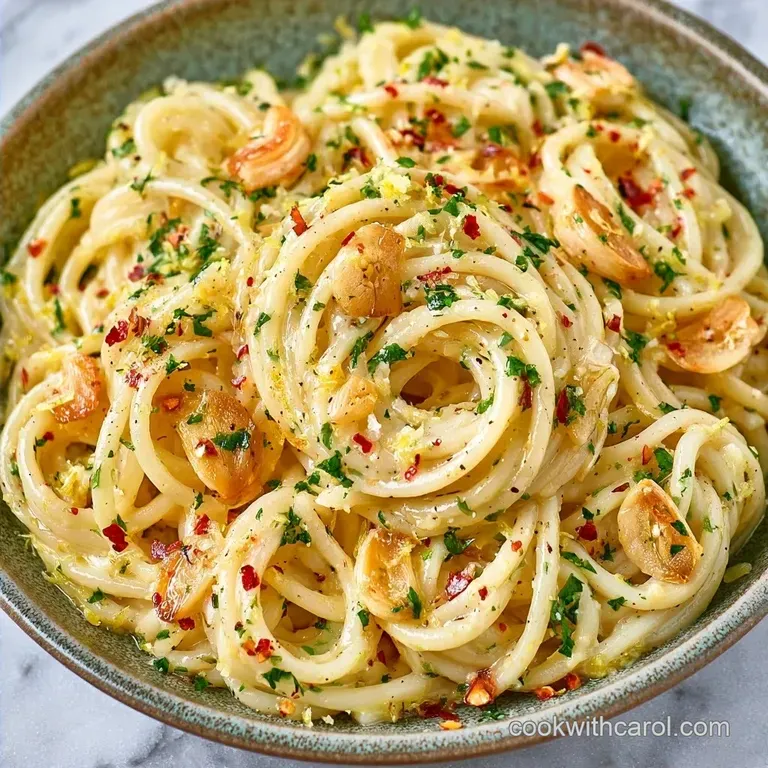
- Time: 5 min active + 10 min cooking
- Flavor/Texture Hook: Zesty lemon and nutty garlic with wilted greens
- Perfect for: Weeknight dinners or last minute guest hosting
The scent of garlic hitting hot olive oil is probably my favorite smell in the kitchen. It's that immediate "something good is happening" signal. I remember trying to make a fancy risotto for a dinner party a few years back, only to realize I'd spent forty minutes stirring rice while my steak sat cold on the counter.
I was stressed, the kitchen was a mess, and I'd completely forgotten that a side dish should support the meal, not take it over.
That's why I lean on this specific approach. You get a bright, punchy flavor profile that doesn't require a shopping trip to a specialty store. It’s a Quick Side Dish Pasta that actually stays on the table while the food is hot.
Expect a dish that feels light but satisfying. The lemon cuts through the richness of the Parmesan, and the spinach adds a pop of color that makes the whole plate look like you spent way more time on it than fifteen minutes.
The Best Quick Side Dish Pasta
Most people treat side pastas as an afterthought, usually just boiling noodles and tossing them with a bit of butter. But that often leaves the pasta feeling dry or disconnected from the sauce. The trick is using the pasta water to bridge the gap between the oil and the cheese.
When you toss the noodles in the skillet, the starch in that reserved water acts as a binder. It turns a simple oil infusion into a coherent sauce. If you skip the water, you just have oily noodles. With it, you get a coating that sticks.
I've found that using linguine works best here. It has more surface area than spaghetti but isn't as bulky as fettuccine, which helps the lemon garlic sauce distribute evenly. It’s a reliable way to get a high impact result without any fancy equipment.
Why the Water Matters
Starch Binder: Reserved pasta water contains amylose, which helps the fat in the olive oil and the proteins in the cheese bond. Hydration: Adding water back into the pan prevents the pasta from soaking up all the sauce and becoming dry.
| Method | Time | Texture | Best For |
|---|---|---|---|
| Stovetop | 15 min | Glossy & Light | Weeknight Sides |
| Oven Bake | 30 min | Crusty & Heavy | Meal Prep |
Essential Ingredient Roles
Before we get into the gear, let's look at what's actually happening in the pan. I don't use a lot of ingredients, so each one has to pull its weight.
| Ingredient | What It Does | Best Swap |
|---|---|---|
| Linguine | Provides the base | Spaghetti or Fettuccine |
| Lemon | Adds acidity/brightness | White wine or Apple cider vinegar |
| Garlic | Adds nutty depth | Garlic powder (less flavor) |
| Parmesan | Adds salt and thickness | Pecorino Romano |
The Ingredient List
Keep it simple. Use the freshest lemon you can find, as the zest is where the real aromatic punch lives.
- 12 oz (340g) Linguine Why this? Better sauce grip than thin pasta
- 1 tbsp (15ml) Salt Why this? Seasons the pasta from inside out
- 3 tbsp (45ml) Extra virgin olive oil Why this? Base for the emulsion
- 4 cloves (20g) Garlic, thinly sliced Why this? Slices brown slower than minced
- 1 medium (50ml) Lemon, juiced and zested Why this? Brightens the heavy fats
- 1/2 tsp (3g) Red pepper flakes Why this? Subtle back of-throat heat
- 1/4 cup (30g) Parmesan cheese Why this? Creates the final creamy bind
- 2 cups (60g) Fresh baby spinach Why this? Fast wilt, adds nutrients
- 1/4 tsp (1.5g) Black pepper Why this? Earthy contrast to lemon
- 1/2 tsp (3g) Sea salt Why this? Final flavor adjustment
| Original Ingredient | Substitute | Why It Works |
|---|---|---|
| Linguine | Rice Pasta | gluten-free alternative. Note: Tends to release more starch |
| Baby Spinach | Kale | Heartier green. Note: Needs 3-4 extra mins to soften |
| Parmesan | Nutritional Yeast | Vegan option. Note: Nutty but lacks the salty pull |
Essential Kitchen Gear
You don't need a professional kitchen for this. A large pot and a wide skillet are the only non negotiables. I prefer a stainless steel skillet because it distributes heat evenly, preventing the garlic from scorching in one spot.
If you have a pair of kitchen tongs, use them. Trying to stir linguine with a spoon is a nightmare; tongs let you twirl the pasta and ensure every strand is coated in that lemon garlic mixture. For the garlic, a sharp chef's knife is key to getting those thin, translucent slices.
How to Make It
Follow this flow to keep everything moving. The goal is to have the pasta finish cooking right as the sauce is ready.
Step 1: The Pasta Boil
Bring a large pot of salted water to a rolling boil. Add the pasta and cook for 1 minute less than the package directions. This ensures an "al dente" bite, which according to Serious Eats, prevents the pasta from overcooking when it hits the hot skillet. Reserve 1/2 cup (120ml) of the starchy water before draining.
Step 2: Infusing Aromatics
Heat the olive oil in a large skillet over medium low heat. Add the sliced garlic and red pepper flakes. Sauté for 2–3 minutes until the garlic is translucent and smells nutty. Don't let it turn dark brown, or it will taste bitter.
Step 3: Creating Emulsion
Increase heat to medium. Stir in the lemon juice and zest. Add the reserved pasta water and whisk for 30 seconds. You'll see the oil and water start to blend into a slightly cloudy liquid.
Step 4: The Final Toss
Add the drained pasta and baby spinach to the skillet. Toss continuously with tongs for 1–2 minutes until the spinach has just wilted into vibrant green ribbons. The sauce should thicken and cling to the noodles.
Step 5: The Finishing Touch
Remove from heat immediately. Sprinkle in the Parmesan cheese and black pepper. Toss one last time until the cheese melts, creating a velvety coating. Season with sea salt to taste.
Chef's Tip: If you want a deeper flavor, add a pinch of espresso powder to your beef or steak before serving it with this pasta. The bitterness of the coffee highlights the brightness of the lemon.
Common Mistakes & Troubleshooting
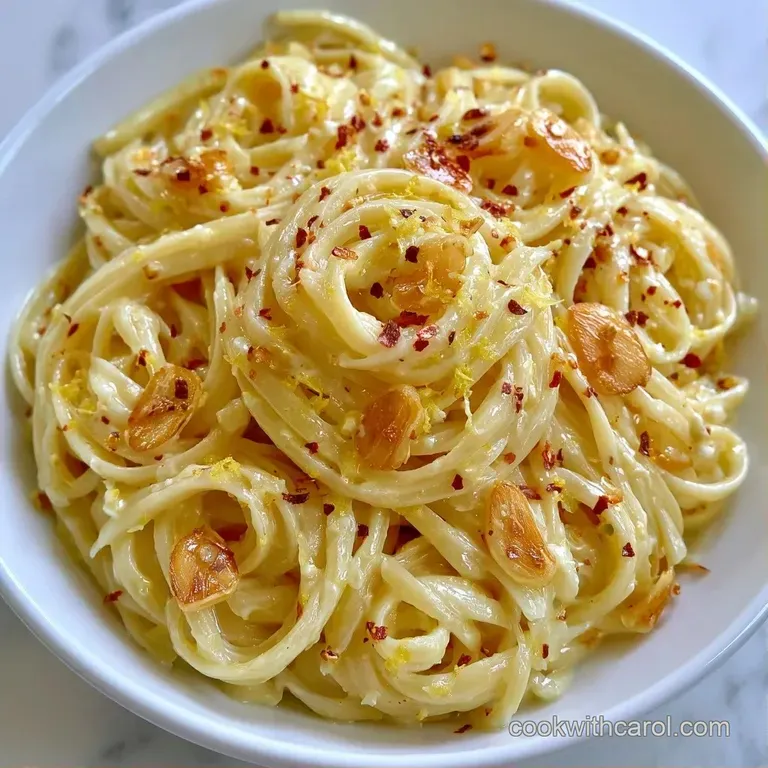
The most common issue is the garlic. Because it's sliced thin, it can go from "perfectly nutty" to "burnt and bitter" in about ten seconds. If you see the edges turning dark brown, pull the pan off the heat immediately.
Another frequent problem is the sauce separating. This usually happens if the heat is too high when the cheese is added. Cheese can "break," meaning the fat separates from the solids, leaving you with an oily mess. Always kill the heat before stirring in the Parmesan.
| Issue | Solution |
|---|---|
| Why Your Sauce Separates | If your sauce looks like oil floating on water, it's usually a temperature issue or a lack of starch. Ensure you used the pasta water and removed the pan from the burner before adding the cheese. |
| Why Garlic Tastes Bitter | Overcooking the garlic ruins the dish. If it browns too quickly, you can't "fix" it by adding more ingredients. Your only choice is to start the oil base over. |
| Why Spinach Turns Mushy | Spinach only needs a minute or two to wilt. If you cook it too long, it loses its vibrant color and becomes slimy. Toss it in at the very end. |
Dietary Adaptations
This recipe is naturally vegetarian, but you can tweak it further. For a vegan version, swap the Parmesan for nutritional yeast or a cashew based parmesan. The texture changes slightly, but the lemon garlic base remains the same.
If you're looking for a Quick Creamy Pasta Side Dish, stir in two tablespoons of Greek yogurt or heavy cream during the final toss. This adds a richness that works well with grilled fish. If you prefer a cold version, this transforms easily into Easy Pasta Salad Recipes by letting it cool and adding fresh cherry tomatoes.
For those adding more vegetables, frozen peas or sautéed zucchini work great. Just add them at the same time as the spinach. If using a harder vegetable like broccoli, steam it separately for 3 minutes before tossing it in.
Adjusting the Serving Size
When you need to scale this Quick Side Dish Pasta, remember that liquids and seasonings don't always scale linearly.
Scaling Down (Half Batch): Use 6 oz of linguine and half the garlic. Use a smaller skillet so the oil doesn't spread too thin and burn the garlic. Reduce the total cooking time in the skillet by about 20%.
Scaling Up (Double Batch): Double the pasta and oil, but only increase the salt and red pepper flakes to 1.5x. Too much red pepper can overwhelm the lemon. Work in batches if your skillet isn't wide enough; otherwise, the pasta will clump together and won't coat evenly.
| Original (4 servings) | Double (8 servings) | Note |
|---|---|---|
| 12 oz Pasta | 24 oz Pasta | Use your largest pot |
| 4 Garlic Cloves | 6 Cloves | Don't double fully to avoid bitterness |
| 1/2 tsp Pepper Flakes | 3/4 tsp Pepper Flakes | Adjust based on heat preference |
Debunking Pasta Myths
You'll often hear that you need to put oil in the boiling water to stop the pasta from sticking. This is a myth. Oil just floats on top and then coats the noodles, which actually prevents the sauce from sticking to the pasta. Just use a large pot and stir occasionally.
Another common belief is that rinsing pasta after draining makes it "cleaner." Never do this. Rinsing washes away the precious starch we need for the emulsion. Keep that starch on the noodles so the sauce can grip.
Storage Guidelines
This pasta is best eaten immediately, but it can be kept in the fridge for up to 3 days in an airtight container. The spinach will lose its brightness, and the pasta will absorb more of the sauce.
Reheating: Don't microwave it on high. Instead, put it in a pan over medium heat with a splash of water or a teaspoon of olive oil. This loosens the sauce and brings back that glossy finish.
Zero Waste Tips: Don't toss the lemon rinds; zest them and freeze them for future recipes. If you have leftover pasta water, use it as a base for a quick vegetable soup or to thicken a gravy. The stems of the baby spinach can be finely chopped and added to a smoothie or a pesto.
Pairing Ideas
Since this is a light, citrusy dish, it pairs beautifully with heavy proteins. A Simple Pasta Side Dish for Steak is a great choice because the lemon acidity cuts through the richness of a ribeye or sirloin.
If you're doing something lighter, like grilled salmon or lemon herb chicken, this Quick Side Dish Pasta complements the flavors without competing. For a full spread, I'd pair this with a Classic Italian Side Salad to add some fresh, raw crunch to the plate.
For those who want a different vibe entirely, a Simple Pasta Side Dish for Chicken like a roasted thigh with skin on works because the pan juices from the chicken mix well with the leftover lemon sauce on the plate.
Recipe FAQs
Can pasta be used as a side dish?
Yes, it works well as a light accompaniment. A simple lemon garlic pasta provides a bright, acidic contrast to heavier main courses like grilled meats.
What can I make with pasta that is quick and easy?
Prepare a lemon garlic linguine in 15 minutes. This recipe uses simple pantry staples and fresh spinach for a fast, restaurant quality result.
How do I prevent the garlic from burning?
Sauté over medium low heat for 2 3 minutes. Pull the pan off the heat immediately if you see the edges turning dark brown to avoid a bitter flavor.
Is it true that pasta should be fully cooked in the pot before being added to the skillet?
No, this is a common misconception. Cook the pasta for one minute less than the package directions to ensure it stays al dente after tossing in the sauce.
How do I stop the sauce from separating?
Remove the pan from the heat before stirring in the Parmesan. Adding cheese to a pan that is too hot can cause the fats to break, resulting in an oily texture.
How do I make a flavorful pasta salad?
Combine fresh zest, acid, and chilled pasta. If you need a version specifically for larger groups, try this cold pasta salad for a refreshing side.
How should I reheat leftover pasta?
Warm in a pan over medium heat with a splash of water or olive oil. This loosens the sauce and restores the glossy finish better than using a microwave.
Lemon Garlic Side Dish Pasta