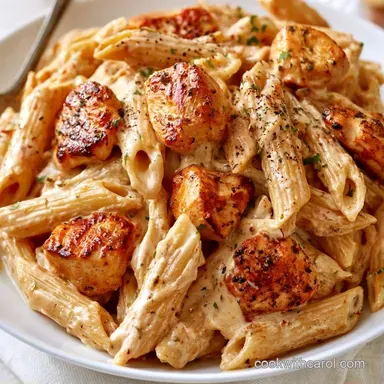
Velvety Sour Cream Chicken Pasta
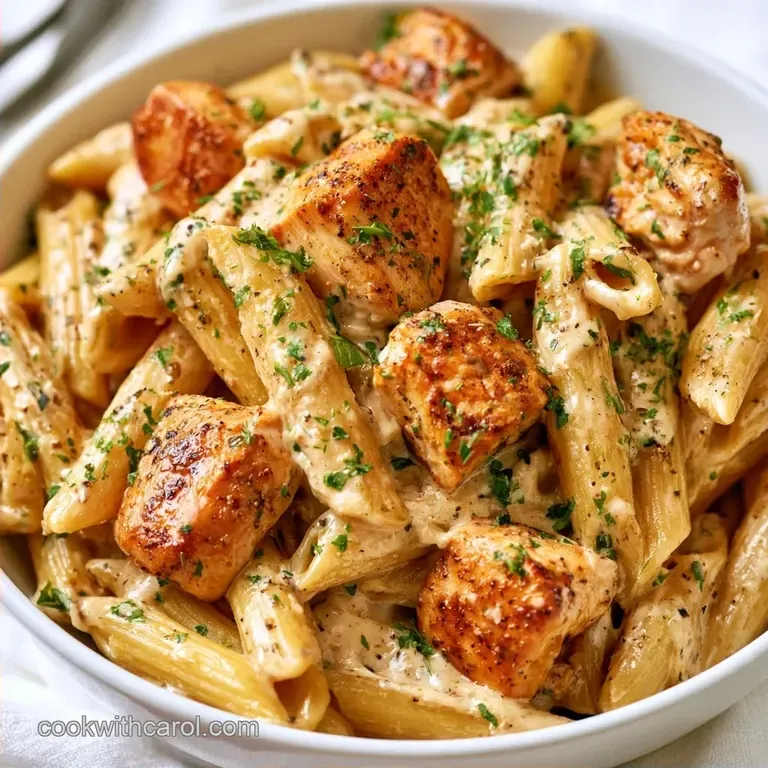
- Time: 10m prep and 20m cooking
- Taste Profile: A tangy, creamy sauce with golden-brown chicken
- Ideal for: Fast evening meals and novice cooks
- Making Easy Sour Cream Chicken Pasta
- The Trick Behind the Texture
- The Essential Building Blocks
- Detailed Recipe Specs
- Must Have Kitchen Tools
- Why These Ingredients Work
- Simple Step-by-Step Guide
- Fixing Common Issues
- Adjusting the Portion Size
- Keeping It Fresh
- Serving and Enjoying
- Twists and Swaps
- High in Sodium
- Recipe FAQs
- 📝 Recipe Card
Making Easy Sour Cream Chicken Pasta
The sound of chicken cubes hitting a hot skillet with a loud sizzle is where the magic starts. There is nothing quite like that smell of smoked paprika and garlic filling the kitchen when you're starving after a long day.
I used to struggle with creamy pastas because the sauce would either be too thin or it would break into a greasy mess.
The real problem most people face with this dish is the "curdle." If you toss sour cream into a boiling pan, it splits, and you end up with something that looks like cottage cheese. It's frustrating and makes the whole meal feel clumpy.
This version fixes that. By managing the heat and using a few simple steps, you get a sauce that clings to the noodles. You'll get a meal that feels fancy but only takes 30 minutes from start to finish.
The Trick Behind the Texture
Getting a smooth sauce is all about the temperature. Most people just dump everything in and hope for the best, but that's how you get a grainy mess.
Low Heat Whisking: Adding the sour cream after the heat is turned down prevents the proteins from tightening and separating. This keeps the sauce smooth and glossy.
Fond Utilization: Searing the chicken first creates "fond," those brown bits stuck to the pan. When we add the stock, those bits dissolve back into the sauce, adding a deep, savory flavor that you just can't get from boiling the meat.
Starch Balance: The penne or fusilli has just enough surface area to hold the sauce. The tiny bit of starch left on the pasta helps the dairy bind to the noodle.
| Method | Time | Texture | Best For |
|---|---|---|---|
| Stovetop | 30 mins | Glossy and creamy | Fast weeknights |
| Oven Bake | 50 mins | Thick and crusty | Meal prep/Potlucks |
Right then, let's look at what actually goes into the pan to make this work.
The Essential Building Blocks
I've found that using full fat sour cream is a non negotiable here. low-fat versions have more stabilizers and less fat, which means they are much more likely to break when they hit the heat. If you're watching the budget, store brands work just fine as long as they are full fat.
The smoked paprika isn't just for color. It adds a woody, charred note that balances the tang of the sour cream. Without it, the dish can taste a bit one dimensional.
Detailed Recipe Specs
Before we start, make sure your chicken is cubed evenly. If some pieces are huge and others are tiny, the small ones will turn into rubber while the big ones are still raw. Aim for 1 inch cubes for an even sear.
I recommend having your garlic minced and your Parmesan grated before you even turn on the stove. This recipe moves fast once the chicken is in the pan, and you don't want to be chopping garlic while your butter is burning.
Must Have Kitchen Tools
No fancy equipment is necessary, though a 12 inch deep skillet is the best choice. A smaller pan will crowd the chicken, causing it to steam rather than sear. If the pan is overcrowded, you'll miss out on that golden brown crust.
A sturdy whisk is also useful when making the sauce. It allows you to reach the corners of the pan to ensure the sour cream and Parmesan are fully blended.
Why These Ingredients Work
Every ingredient here has a purpose. For example, the lemon juice might seem like a small detail, but it helps brighten the heavy dairy flavors.
| Component | Purpose | Substitute Notes |
|---|---|---|
| Full fat Sour Cream | Thickens and adds tartness | Greek yogurt: Similar tang but thicker; may split more easily |
| Smoked Paprika | Contributes color and depth | Sweet paprika: Milder flavor, less depth |
| Chicken Stock | Helps deglaze the pan | Water + bouillon: Works well, but can be saltier |
| Parmesan | Adds salt and body | Pecorino: Sharper, saltier flavor profile |
Here is the full list of ingredients needed to get this meal on the table.
For the Chicken and Pasta
- 1.5 lbs chicken breast, cut into 1 inch cubes Why this? Lean protein that sears fast
- 2 tbsp olive oil Why this? Reliable at high temperatures
- 1 tsp salt
- ½ tsp black pepper
- 1 tsp smoked paprika Why this? Provides a subtle smokiness
- 12 oz penne or fusilli pasta Why this? Grooves help the sauce cling
For the Sauce
- 3 tbsp unsalted butter Why this? A rich foundation for the garlic
- 3 cloves garlic, minced
- 1 cup chicken stock Why this? Releases the browned bits from the pan
- 1 cup full fat sour cream Why this? Primary source of thickness
- ½ cup grated Parmesan cheese Why this? Boosts umami and salt
- 1 tbsp fresh lemon juice Why this? Cuts the richness of the sauce
- ¼ cup fresh parsley, chopped
Simple step-by-step Guide
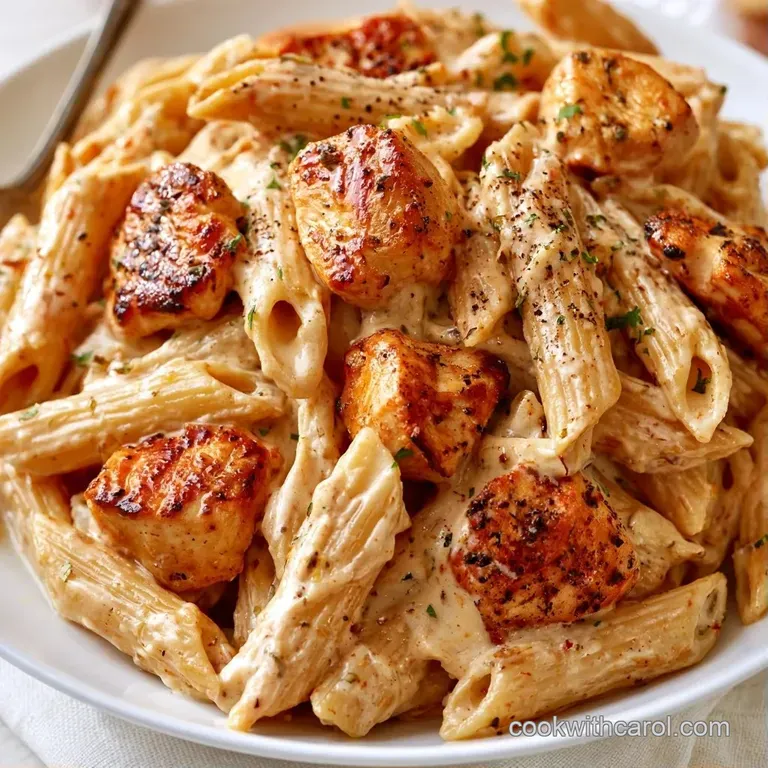
Get started. Pay close attention to these instructions, particularly the heat levels, to ensure the sauce stays emulsified.
- Boil a large pot of salted water and cook the pasta according to the package instructions. Note: Drain it just before the sauce is finished.
- Season the chicken cubes with salt, pepper, and paprika, ensuring each piece is evenly coated.
- Warm olive oil in a 12 inch deep skillet over medium high heat. Brown the chicken for 5-7 minutes until golden brown on all sides, then transfer the meat to a plate.
- Lower the heat to medium. Melt butter in the same pan, scraping up the browned bits from the bottom. Stir in the minced garlic and sauté for 1 minute until fragrant but not brown.
- Add the chicken stock and simmer for 3-5 minutes until the liquid reduces by half.
- Turn the heat to low. Whisk in the Parmesan cheese and sour cream until the sauce is smooth and glossy, then stir in the lemon juice.
- Add the seared chicken and cooked pasta back into the skillet. Toss gently for 2 minutes until the sauce thickens and coats everything.
- Top with fresh parsley and serve right away.
Fixing Common Issues
Despite careful preparation, mistakes can happen. Often, the culprit is heat; on high powered stoves, even a "low" setting may be too intense for the sour cream.
The Sauce Looks Grainy
This occurs when the dairy curdles. Those tiny lumps indicate the sauce got too hot. You can typically remedy this by pulling the pan off the burner and whisking in a tablespoon of warm pasta water.
The Chicken is Rubbery
Overcooking lean breast meat is a frequent error. If the texture is too bouncy, you likely seared it for too long or left it in the sauce for too long. Stick strictly to the 5-7 minute sear and the 2 minute final toss.
Sauce is Too Thick
Pasta absorbs liquid quickly. If the dish looks clumpy rather than saucy, stir in a splash more chicken stock or pasta water.
| Problem | Fix |
|---|---|
| Grainy Sauce | Remove from heat, whisk in warm pasta water |
| Rubbery Chicken | Reduce sear time; remove from pan sooner |
| Sauce Too Thick | Add 1-2 tbsp chicken stock or pasta water |
Once you're comfortable with the basic recipe, feel free to experiment with the portions.
Adjusting the Portion Size
Scaling this recipe requires a bit of caution with the pan size. If you double the recipe, don't use the same 12 inch skillet. You'll end up steaming the chicken instead of searing it.
Scaling Down (Half Batch): Use a smaller skillet, maybe 8 or 10 inches. You can reduce the cooking time for the stock reduction by about 20% since there is less liquid to evaporate.
Scaling Up (Double Batch): Work in batches for the chicken. Sear half the meat, remove it, then sear the second half. This ensures the pan stays hot. Only double the salt and paprika to 1.5x the original amount, as spices can become overpowering when scaled linearly.
| Original Ingredient | Budget Substitute | Impact | Savings |
|---|---|---|---|
| Chicken Breast | Chicken Thighs | More fat, more flavor, harder to overcook | Low |
| Fresh Parsley | Dried Parsley | Less brightness, more muted color | Low |
| Fresh Lemon Juice | Bottled Lemon Juice | Slightly more bitter, less zing | Medium |
| Parmesan Cheese | Powdered Parm | Grainier texture, saltier taste | Medium |
Keeping It Fresh
While this meal is ideal when served fresh, it stays good for several days. Just be aware that the pasta absorbs the sauce as it sits in the refrigerator.
Fridge Storage: Keep leftovers in a sealed container for up to 3 days. You may find the sauce has turned thick or pasty when reheating; simply stir in a bit of chicken stock or milk before popping it in the microwave.
Freezing: I'd suggest avoiding the freezer. Both the Parmesan and sour cream tend to separate or get grainy after thawing, which ruins the texture. If you decide to freeze it anyway, undercook the pasta by 2 minutes to prevent it from becoming mushy.
Zero Waste Tips: Put those parsley stems to use rather than throwing them away. Finely mince them and sauté them with the garlic for added flavor. Additionally, freeze any remaining chicken stock in ice cube trays for your next pan sauce.
Serving and Enjoying
Since this is a decadent meal, it pairs beautifully with a bright, crisp side. A simple arugula salad with lemon vinaigrette helps cut through the richness. For an extra treat, a piece of garlic buttered toasted sourdough is perfect for mopping up the leftover sauce.
If you prefer a more substantial, oven baked alternative to a stovetop meal, try this Cheesy Chicken Casserole.
The plating is effortless. Serve the dish in shallow bowls and garnish with a final pinch of fresh parsley and a grind of black pepper. It looks sophisticated and tastes like a $25 bistro entree.
Twists and Swaps
One of the best things about this recipe is how easily it adapts to what you have in the fridge. You can turn this into a different meal entirely just by swapping a few things.
Adding Veggies: Sauté some sliced mushrooms or baby spinach in the butter before adding the garlic. Mushrooms add an earthy flavor that goes great with the smoked paprika. Spinach wilts in seconds and adds a pop of color.
Protein Swaps: You can use shrimp instead of chicken. Just be careful with the timing. Shrimp only needs about 2 minutes per side, or they'll turn into rubber. If you prefer a different chicken preparation, you can try Sour Cream Onion Chicken for a similar flavor profile without the pasta.
Dietary Swaps: For a lower carb option, swap the penne for zucchini noodles or spaghetti squash. Just sauté the veg separately and toss them in at the end. Don't boil them, or they'll release too much water and thin out your sauce.
Flavor Twists: Extra tang? → Fold in 1 tsp lemon zest. More heat? → Add a pinch of cayenne pepper to the chicken seasoning. Earthier taste? → Stir in a teaspoon of Dijon mustard with the stock.
This homemade sour cream chicken pasta is a reliable win. It's simple, budget friendly, and hits all the comfort notes. Once you get the heat control down, it'll likely become a regular in your rotation. Trust me on the lemon juice - it's the one thing that makes the whole dish sing.
High in Sodium
956 mg 956 mg of sodium per serving (42% 42% of daily value)
The American Heart Association recommends a daily sodium limit of 2,300mg to help maintain healthy blood pressure and reduce the risk of cardiovascular disease.
Tips to Reduce Sodium
-
Switch to Low-Sodium Stock-30%
Replace the standard chicken stock with low-sodium or no-salt added chicken stock to significantly cut down the base sodium level.
-
Eliminate Added Salt-25%
Omit the 1 tsp of salt used for seasoning the chicken; the Parmesan and stock provide enough saltiness on their own.
-
Reduce Parmesan Cheese-15%
Use half the amount of grated Parmesan cheese or substitute with a small amount of nutritional yeast for a nutty, savory flavor.
-
Enhance with Aromatics
Increase the fresh lemon juice, parsley, and smoked paprika to add brightness and depth without adding any sodium.
Recipe FAQs
Can I use sour cream instead of heavy cream?
Yes, it works perfectly. It creates a tangier flavor profile and a glossy coating that is often more stable than heavy cream.
What does sour cream do in this pasta?
It provides richness and acidity. The lactic acid creates a thick sauce that clings to the penne or fusilli without separating.
Does sour cream pair well with chicken?
Absolutely. The tartness of the dairy balances the savory notes of the seared chicken and smoked paprika.
How to prevent the sauce from curdling?
Turn the heat to low before whisking in the sour cream and Parmesan. This ensures the proteins don't tighten and split.
Is it true that sour cream always splits when heated?
No, and here's why. Avoiding a boil and incorporating the dairy over low heat keeps the emulsion smooth and glossy.
Which pasta shapes work best here?
Penne or fusilli are ideal. Their shapes capture the thick sauce efficiently; if you like this style, try our creamy pasta salad.
What is the secret to golden chicken?
Sear over medium high heat. Use olive oil in a deep skillet and cook the cubes for 5-7 minutes until browned on all sides.
Could I substitute the chicken stock?
Yes, use another savory broth. Ensure the substitute is unsalted or low-sodium to control the overall salt level of the dish.
Sour Cream Chicken Pasta