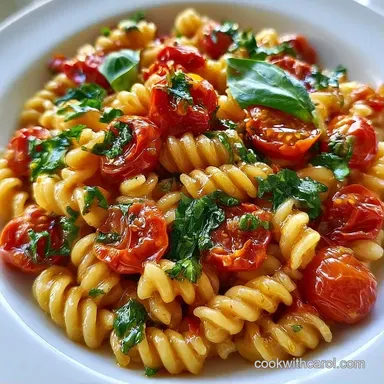
Failure-Proof Cherry Tomato Basil Pasta
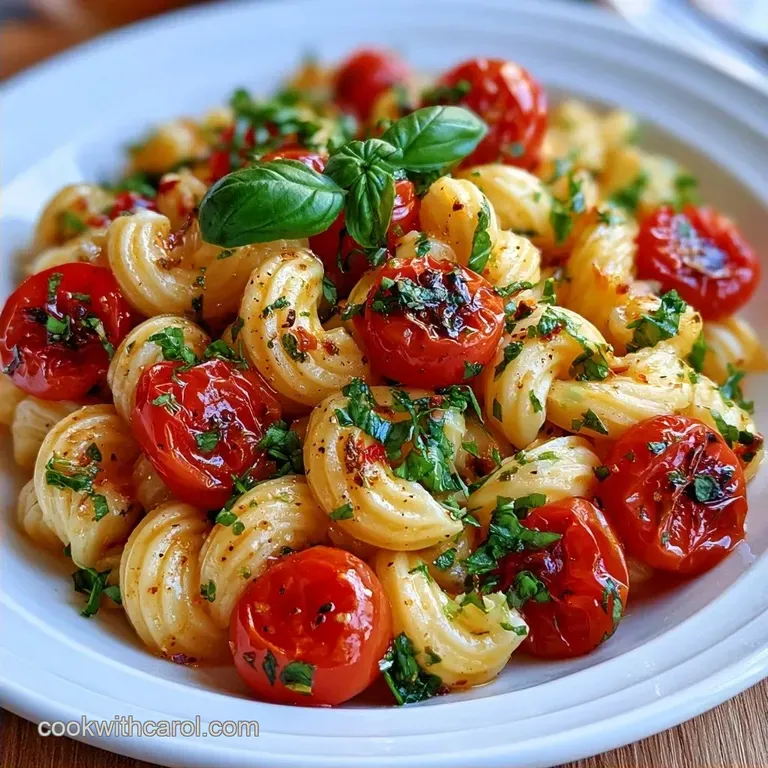
- Time: 10 min active + 15 min cook
- Flavor/Texture Hook: Burst tomato sweetness with a silky finish
- Perfect for: Weeknight dinner or a beginner friendly date night
- Cherry Tomato Basil Pasta
- Why These Techniques Actually Work
- Quick Specs and Ingredient Roles
- The Necessary Building Blocks
- Tools You'll Need
- Step by Step Assembly
- Fixing Common Problems
- Creative Twist and Variations
- Storage and Zero Waste
- Serving and Pairing Ideas
- Critical in Sodium
- Recipe FAQs
- 📝 Recipe Card
Cherry Tomato Basil Pasta
Hear that sizzle? That's the sound of cherry tomatoes hitting a hot pan and just starting to pop. I used to think a great pasta sauce required hours of simmering on the stove, but that's just not true for this style of dish.
When you blister fresh tomatoes quickly, they keep a bright, punchy sweetness that slow cooked sauces lose.
You don't need a long list of ingredients or a professional kitchen to get this right. All you need is a bit of heat and some patience while the garlic gets fragrant. This recipe is about working with a few high-quality items to let the natural flavors shine.
We're making a Cherry Tomato Basil Pasta that feels fancy but actually takes less than 30 minutes. It's light, fresh, and hits that spot when you want something comforting but not heavy. Let's get into how to make it.
Why These Techniques Actually Work
- Starchy Water: Saving a bit of the pasta cooking water helps the cheese and oil bind together instead of separating.
- High Heat Blistering: Cooking tomatoes on medium high makes the skins pop, releasing juices that thicken into a sauce.
If you're in the mood for something cold, you might like my Caprese Pasta Salad recipe, but for a hot meal, this method is the way to go.
| Ingredient Style | Prep Time | Texture | Best For |
|---|---|---|---|
| Fresh Tomatoes | 10 mins | Chunky & Burst | Bright, summer flavor |
| Canned Cherry Tom | 5 mins | Uniform & Soft | Deep, concentrated taste |
Quick Specs and Ingredient Roles
| Ingredient | What It Does | Best Swap |
|---|---|---|
| Cherry Tomatoes | Provides the base acid and sweetness | Grape tomatoes |
| Parmesan | Adds saltiness and thickens the glaze | Pecorino Romano |
| Lemon Juice | Cuts through the fat for a bright finish | White wine splash |
| Garlic | Adds a pungent, savory depth | Garlic powder (1/4 tsp) |
The Necessary Building Blocks
- 1 lb (450g) Penne or Spaghetti Why this? Both hold the burst tomatoes well
- 4 quarts (3.8L) Water
- 2 tbsp (30g) Kosher salt Why this? Seasons the pasta from the inside
- 3 tbsp (45ml) Extra virgin olive oil
- 4 cloves (20g) Garlic, thinly sliced Why this? Slices brown more evenly than minced
- 2 cups (300g) Cherry tomatoes, halved
- 1/2 tsp (2g) Red pepper flakes
- 1 tsp (5g) Kosher salt
- 1/2 tsp (3g) Black pepper
- 1/2 cup (50g) Fresh basil leaves, torn by hand Why this? Tearing prevents bruising the leaves
- 1/2 cup (50g) Freshly grated Parmesan cheese
- 1 tbsp (15ml) Fresh lemon juice
| Original Ingredient | Substitute | Why It Works |
|---|---|---|
| Penne Pasta | Rigatoni | Similar shape, holds more sauce. Note: May need 1 extra min cooking |
| Parmesan | Nutritional Yeast | Savory, nutty flavor. Note: Lacks the same melting quality |
| Fresh Basil | Spinach | Adds greens and earthy flavor. Note: Less aromatic than basil |
Tools You'll Need
You don't need a lot of gear for this. A large pot for the pasta and a wide skillet for the sauce are the main players. I also suggest using a colander and a pair of tongs or a pasta fork to move the noodles without breaking them. If you have a microplane for the cheese, it'll melt much faster into the sauce.
Step by step Assembly
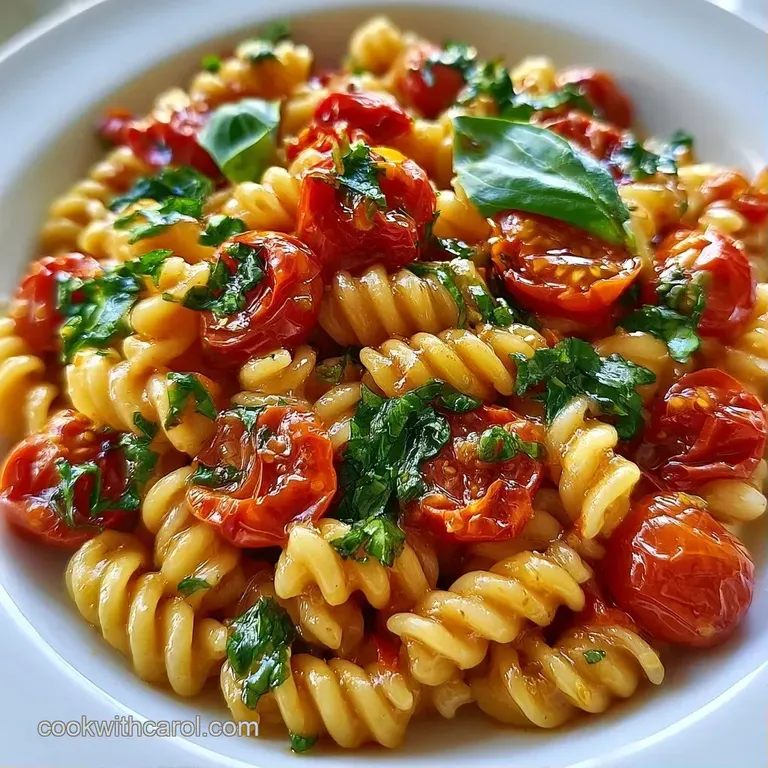
- Bring the salted water to a rolling boil. Add the pasta and cook for 1-2 minutes less than the package instructions for al dente. Note: This prevents the pasta from getting mushy in the pan.
- Reserve 1 cup (240ml) of starchy pasta water before draining.
- Heat olive oil in a skillet over medium heat. Add the sliced garlic and red pepper flakes, sautéing for 1 minute until the garlic is fragrant and pale gold.
- Increase heat to medium high and add the cherry tomatoes. Cook, stirring occasionally, for 5-7 minutes until the tomatoes are blistered and have released their juices.
- Toss the drained pasta into the skillet.
- Pour in 1/2 cup (120ml) of the reserved pasta water and the Parmesan cheese.
- Stir vigorously over medium heat for 1-2 minutes until a glossy glaze forms.
- Remove the skillet from heat and fold in the torn basil leaves and lemon juice.
Fixing Common Problems
The most common issue people have is a sauce that looks like a puddle at the bottom of the bowl. This usually happens if you skip the pasta water or don't stir the cheese in quickly enough. According to the guides at Serious Eats, that starchy water acts as a bridge between the fat in the oil and the water in the tomatoes.
The Sauce is Watery
If you see liquid separating from the pasta, you likely didn't toss the noodles long enough with the cheese. The parmesan needs heat and agitation to melt into the water.
The Garlic is Bitter
Burnt garlic ruins everything. If your garlic turned dark brown or black in step 3, it's likely too bitter to save. Start the oil over and keep the heat at medium.
| Problem | Root Cause | Solution |
|---|---|---|
| Watery Sauce | Not enough stirring/starch | Add 2 tbsp more pasta water and stir fast |
| Burnt Garlic | Heat was too high | Lower heat; add garlic to oil slower |
| Bland Taste | Under salted water | Add a pinch more salt or lemon juice at end |
Creative Twist and Variations
If you want to make this a full meal, you can easily add protein. I love tossing in some grilled shrimp or sliced chicken breast at the very end. For a more complex flavor, try an Ottolenghi inspired twist by adding a handful of Kalamata olives and a crumble of feta cheese.
If you're looking for something lighter, my Olive Oil Pasta Salad is a great alternative for those days when you don't want a hot meal.
Quick Decision Guide: If you want it creamy, add a dollop of ricotta at the end. If you want more heat, double the red pepper flakes. If you want it vegan, use nutritional yeast and omit the parmesan.
Storage and Zero Waste
Store any leftovers in an airtight container in the fridge for up to 3 days. When you reheat it, the pasta will have soaked up all the sauce. Add a tiny splash of water or a drizzle of olive oil before microwaving to bring that glossy look back.
Don't throw away your basil stems. I usually toss them into a freezer bag and then blend them into a quick pesto or throw them into a vegetable stock for extra aromatics. Since this Cherry Tomato Basil Pasta uses fresh lemon, you can use the leftover lemon zest in a salad dressing or over some grilled fish.
Serving and Pairing Ideas
This dish is bright and acidic, so it pairs well with something neutral and crunchy. I always serve mine with a piece of toasted sourdough rubbed with a raw garlic clove. A simple side of roasted asparagus or a light arugula salad with a lemon vinaigrette keeps the meal feeling fresh.
Honestly, don't overthink the presentation. Just pile the pasta high in a bowl, top it with an extra sprinkle of parmesan, and serve it while it's steaming. The scent of the fresh basil hitting the hot pasta is the best part of the whole process.
Critical in Sodium
1180 mg 1,180 mg of sodium per serving (51% 51% of daily value)
The American Heart Association recommends a daily sodium limit of no more than 2,300 mg for most adults to maintain heart health.
Tips to Reduce Sodium
-
Reduce Pasta Water Salt-30%
Cut the 2 tbsp of kosher salt in the boiling water by half or remove it entirely; most of this excess salt is absorbed by the pasta.
-
Eliminate Added Salt-25%
Remove the 1 tsp of kosher salt used in the sauce. The natural flavor of the tomatoes and garlic will still shine through.
-
Limit Parmesan Cheese-15%
Reduce the Parmesan cheese to 1/4 cup or replace it with a salt free nutritional yeast for a similar nutty flavor.
-
Boost Fresh Aromatics
Double the amount of fresh basil and garlic to enhance the savory profile without needing extra sodium.
Recipe FAQs
How to get a glossy glaze on the pasta?
Stir the reserved pasta water and Parmesan vigorously over medium heat for 1-2 minutes. The starch in the water emulsifies with the cheese and oil to create a smooth, professional finish.
Can I use spaghetti instead of penne?
Yes, both work well. Penne captures the halved cherry tomatoes in its ridges, while spaghetti provides a classic texture for the sauce.
Should I cook the pasta fully before adding it to the pan?
No, cook it for 1-2 minutes less than the package instructions. Finishing the pasta in the skillet prevents it from becoming mushy and allows it to absorb the sauce.
How to store and reheat the leftovers?
Store in an airtight container in the fridge for up to 3 days. Add a splash of water or a drizzle of olive oil before microwaving to restore the glossy appearance.
How to keep the basil leaves from turning brown?
Fold the torn leaves into the pasta after removing the skillet from the heat. Adding them at the final step preserves the vibrant green color and fresh aroma.
Can I add more cheese for a richer flavor?
Yes, increasing the Parmesan will thicken the glaze and add saltiness. If you enjoy a heavier cheese profile, see how we apply similar logic in our Garlic Parmesan recipe.
How to prepare the garlic so it doesn't burn?
Sauté sliced garlic and red pepper flakes over medium heat for only 1 minute. Add the cherry tomatoes immediately once the garlic is fragrant and pale gold to lower the pan temperature.
Cherry Tomato Basil Pasta