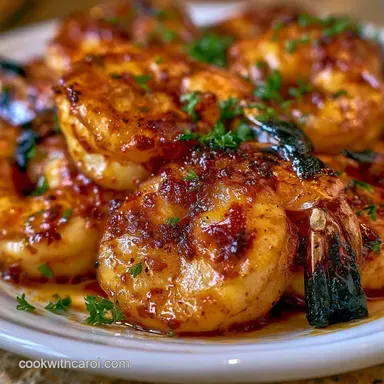
Garlic and Lemon Grilled Jumbo Shrimp
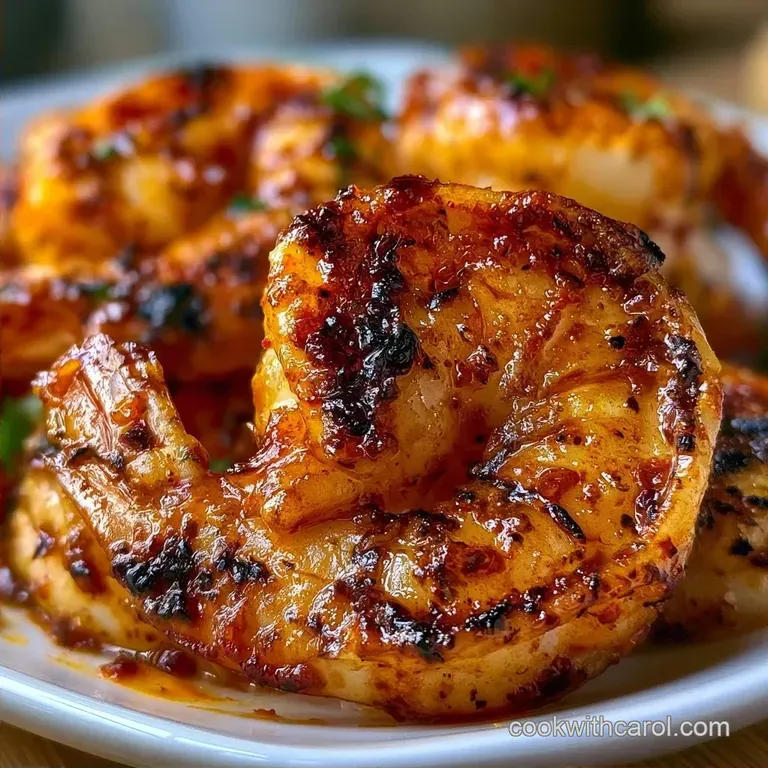
- Time: 10 min active + 18 min marinating/cooking
- Flavor/Texture Hook: Charred, zesty, and snap tender
- Perfect for: Quick summer dinners or impressive appetizers
The loud hiss of seafood hitting a hot grate is basically the official soundtrack of July. There is something about that smell, that smoky char mixing with lemon and garlic, that just feels like a vacation in the backyard.
I used to struggle with this. At one family reunion, I tried to be fancy and ended up serving shrimp that had the consistency of rubber bands. I had left them on the grill too long because I thought they needed more "color," but I actually just overcooked the life out of them.
Now, I stick to a strict timing rule. This Grilled Jumbo Shrimp recipe focuses on a fast, over high heat sear that gives you those deep mahogany marks without drying out the center. It is a fast process, but if you follow the cues, you get that restaurant style snap every time.
Why the High Heat Works
Fast Searing: High heat creates a crust quickly, which locks in the moisture before the proteins tighten up too much.
Acid Timing: The lemon juice adds brightness, but keeping the marinade short prevents the acid from "cooking" the shrimp into a mushy texture.
Gear for the Grill
Basic gear is plenty. An ordinary outdoor grill or a heavy ridged stovetop pan works great. If you choose a pan, make sure it's cast iron to ensure it retains the heat.
I strongly suggest using long-handled tongs. Shrimp are slippery and shift quickly once they hit the heat. If you use skewers, wooden ones are fine, but they must soak in water for 30 minutes to prevent them from igniting.
Shopping List Breakdown
The key here is using jumbo shrimp. Smaller shrimp shrink too fast and overcook before you can even get a decent sear. Look for "16-20 count" on the bag.
For the fat, I use extra virgin olive oil for the marinade because it carries the garlic and paprika flavors better. The smoked paprika is what gives it that "cooked over a campfire" taste, even if you're using a gas grill.
If you want to switch things up, a honey lime marinade is a great alternative for a sweeter profile.
Recipe Specifications
| Original Ingredient | Substitute | Why It Works |
|---|---|---|
| Lemon Juice (2 tbsp) | Lime Juice (2 tbsp) | Similar acidity. Note: Gives a more tropical, zesty vibe |
| Smoked Paprika (1 tsp) | Sweet Paprika (1 tsp) | Similar color. Note: Lacks the smoky depth |
| Cayenne Pepper (1/4 tsp) | Red Pepper Flakes (pinch) | Similar heat. Note: Less uniform distribution |
The prep is fast, but the resting period is non negotiable. You need those few minutes for the garlic and salt to actually penetrate the shrimp.
From Prep to Plate
Phase 1: The Setup
- Pat the jumbo shrimp completely dry with paper towels. Note: Moisture on the surface creates steam, which prevents a good sear.
- Thread 4-5 shrimp onto each skewer if using them.
- Ensure wooden skewers have soaked in water for 30 minutes to prevent burning.
Phase 2: The Flavor Coat
- Whisk together the extra virgin olive oil, lemon juice, minced garlic, smoked paprika, salt, pepper, and cayenne pepper in a bowl.
- Add the shrimp to the bowl and toss gently. Note: Ensure every inch is coated in the marinade.
- Let the shrimp rest in the marinade for 10-15 minutes.
Phase 3: The over High heat Sear
- Preheat your grill or grill pan to high heat.
- Brush the grates with 1 tbsp of olive oil to prevent sticking.
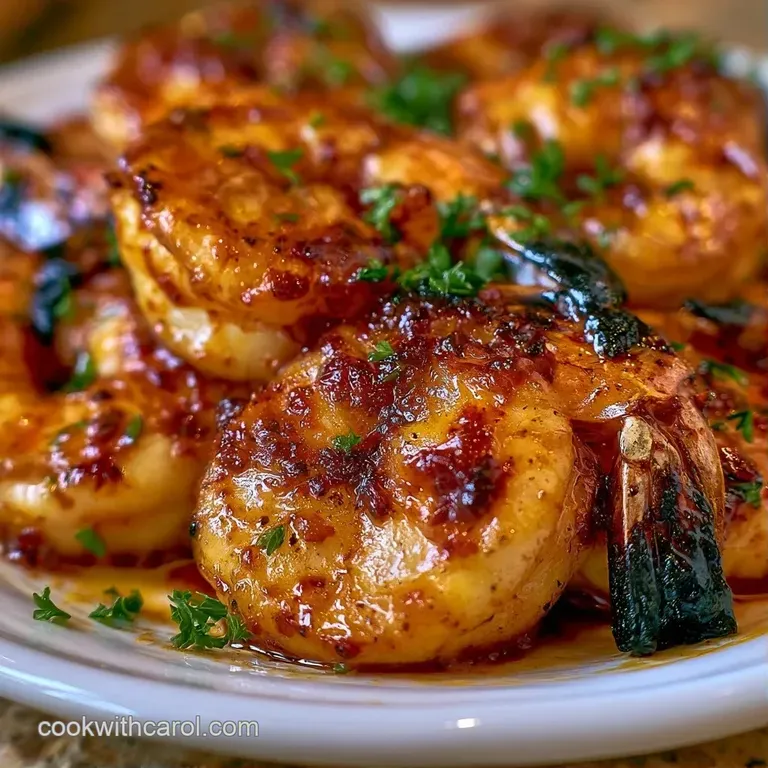
- Sear the shrimp for 3 minutes per side until they curl into a gentle 'C' shape.
- Remove from heat immediately once they are opaque and charred.
Troubleshooting Guide
The most common issue with Grilled Jumbo Shrimp is timing. Because they are so lean, the window between "done" and "rubbery" is only about 60 seconds.
Rubbery Texture
This happens when the shrimp curl into a tight "O" shape. They have stayed on the heat too long, and the muscle fibers have contracted too tightly.
Sticking to Grates
Usually, this is caused by a grill that isn't hot enough or a lack of oil on the grates. If the shrimp don't release easily, give them another 30 seconds; they often "release" naturally once the sear is set.
Burnt Garlic
Minced garlic burns quickly over high heat. The oil in the marinade helps protect it, but if you see black flecks, your grill might be too hot or the shrimp are staying on too long.
| Problem | Fix |
|---|---|
| Rubbery/Tough | Remove when they form a 'C' shape, not an 'O' |
| Sticking | Increase grill heat and oil the grates better |
| Burnt Garlic | Reduce sear time or use garlic powder for high heat |
Storage and Reheating
If you have leftovers, store them in a sealed container in the fridge for up to 2 days. Shrimp don't hold up well in the freezer after being cooked, so I recommend eating these fresh.
To reheat, avoid the microwave. It will turn them into rubber almost instantly. Instead, put them in a pan over medium heat with a tiny bit of butter for 2 minutes just to warm them through.
For a zero waste approach, don't throw away the shrimp shells if you bought them head on. Toss the shells into a pot with water, a carrot, and an onion to make a quick seafood stock for a risotto or chowder.
Dietary Adaptations
This recipe is naturally low carb and keto friendly. To keep it that way, avoid adding honey or maple glazes and stick to the lemon and oil base, according to USDA FoodData.
For a Mediterranean twist, swap the smoked paprika for dried oregano and add some crumbled feta cheese on top after grilling. It adds a salty, creamy contrast to the charred seafood.
If you want a more classic approach, you can try a Recipe for 6 Servings for larger groups, which uses a slightly different volume of marinade.
Presentation Tips
A large wooden board is my favorite way to serve these. Arrange the shrimp in a central pile and garnish with fresh parsley sprigs and lemon wedges. The yellow and green accents really highlight the charred red hue of the seafood.
To make this a complete meal, I recommend a Classic Italian Side Salad. The acidity of the dressing and the crunch of the greens balance the rich olive oil marinade perfectly.
Chef's Note: If you're serving these as hors d'oeuvres, keep the skewers but cut them shorter. This makes them much more convenient for guests to enjoy while socializing.
Precision Checkpoints
- Temperature: The grill should be high heat (approx 450°F/230°C).
- Visual Cue: The shrimp should form a "C" shape, not a closed circle.
- Weight: 1 lb of shrimp should yield roughly 16-20 jumbo pieces.
Decision Shortcut
- More heat? → Add an extra pinch of cayenne or a dash of hot sauce.
- Extra tang? → Squeeze fresh lemon over the shrimp after they come off the grill.
- More smoke? → Use a charcoal grill with a few hickory chips.
Now you're ready to master Grilled Jumbo Shrimp without worrying about them becoming rubbery. Just stick to the basics: high heat, a quick marinade, and that signature 'C' shape. It's truly the best approach.
Recipe FAQs
How long do jumbo shrimp take to grill?
Grill them for approximately 6 minutes over high heat. Remove them from the heat as soon as they curl into a gentle 'C' shape to maintain a snap-tender texture.
What seasoning works best for grilling shrimp?
Combine extra virgin olive oil, lemon juice, minced garlic, smoked paprika, salt, pepper, and cayenne pepper. Toss the shrimp in this mixture for 10-15 minutes before cooking.
How to grill shrimp without overcooking them?
Sear them over high heat and watch for a gentle 'C' curl. This visual cue is the most reliable way to stop cooking before the meat becomes rubbery.
Is it true that shrimp must marinate for hours to be flavorful?
That's a myth. A short soak of 10-15 minutes is ideal because the lemon juice can break down the proteins if left too long.
What should you serve with grilled shrimp?
Pair these with a bright side like an antipasto pasta salad. The vinegar and salty components of the salad balance the smoky char of the shrimp.
Grilled Jumbo Shrimp for 4 Servings