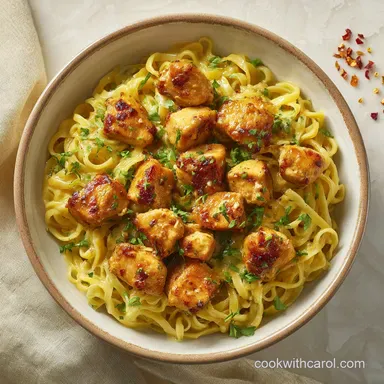
High Protein Garlic Parmesan Pasta Bowl: Silky and Savory
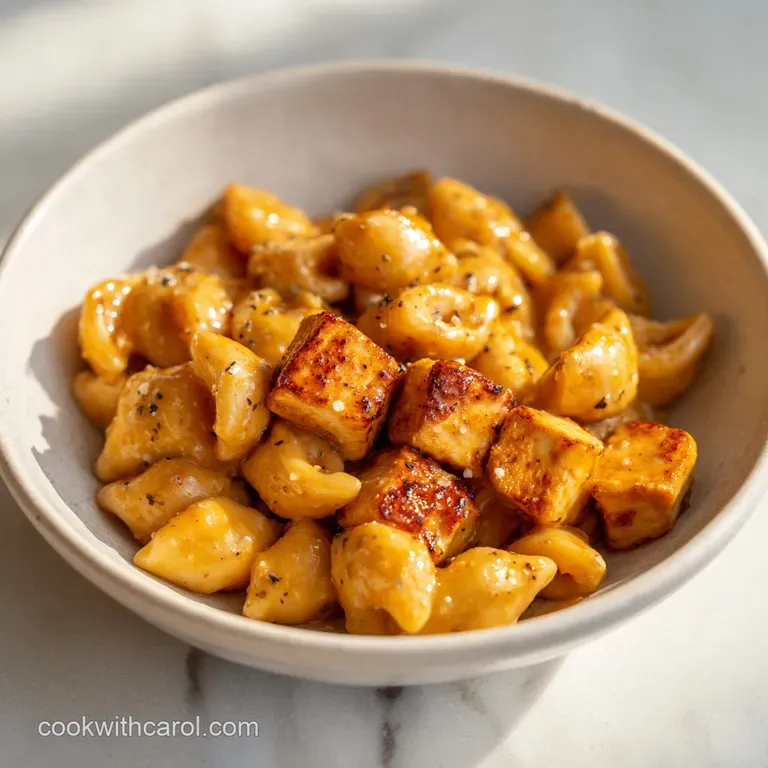
- Time: 10 min prep + 20 min cook = Total 30 minutes
- Flavor/Texture Hook: Silky, garlicky sauce with a golden brown chicken sear
- Perfect for: High protein meal prep or a fast weeknight dinner
- High Protein Garlic Parmesan Pasta Bowl 384 Cal 36g Protein
- The Secret to the Sauce
- Choosing the Best Cooking Method
- Component Analysis
- Elements You'll Need
- Essential Kitchen Gear
- Step-by-Step Cooking Guide
- Fixing Common Sauce Problems
- Adjusting the Portion Size
- Debunking Pasta Myths
- Storage and Zero Waste Guidelines
- Plating for the Best Experience
- Recipe FAQs
- 📝 Recipe Card
High Protein Garlic Parmesan Pasta Bowl 384 Cal 36g Protein
That first sizzle when the seasoned chicken hits the hot olive oil is where the magic starts. There's nothing quite like the smell of garlic hitting a pan, filling the whole kitchen with that pungent, savory aroma that practically screams "dinner is ready." For a long time, I thought "high protein" meant eating dry chicken breasts and bland steamed broccoli, but I was completely wrong.
I remember one Tuesday night when I was desperate for a creamy pasta but didn't want the food coma that comes with a pint of heavy cream. I tried a few different swaps, and most of them were disasters, but then I discovered the combination of Greek yogurt and reserved pasta water. It changed everything.
Try this delicious High Protein Garlic Parmesan Pasta Bowl 384 Cal 36g Protein for a quick and healthy meal.
You can expect a dish that feels indulgent and velvety, but it's actually powered by chickpea pasta and lean protein. It's the kind of meal that tastes like a cheat day but supports your goals, and it comes together in about 30 minutes.
Trust me on this, the secret is all in how you handle the heat so the sauce doesn't break.
The Secret to the Sauce
Instead of using a roux or heavy cream, we're relying on a few clever kitchen tricks to get that restaurant style cling. It's all about managing moisture and temperature.
- The Starch Bond: Using reserved pasta water creates a bridge between the fat in the cheese and the acidity of the yogurt. According to Serious Eats, the starch in the water helps stabilize the sauce and prevents it from separating.
- Yogurt Temperature: Keeping the Greek yogurt at room temperature prevents it from shocking the pan and curdling immediately.
- The Searing Method: Leaving the chicken undisturbed for 3 minutes creates a crust that locks in juices and adds a deep, savory flavor.
- Low Heat Finishing: Tossing the pasta on low heat ensures the yogurt doesn't boil, which is what usually causes high protein sauces to "break" or look grainy.
Choosing the Best Cooking Method
Depending on how much time you have and what texture you prefer, you might want to tweak the approach. While the stovetop is the classic way to go, some people prefer a one pan oven finish.
| Method | Time | Texture | Best For |
|---|---|---|---|
| Stovetop | 30 min | Velvety & glossy | Quick weeknight meals |
| Oven Bake | 45 min | Hearty & baked in | Large family gatherings |
| Air Fryer | 25 min | Extra crispy chicken | Single servings |
The stovetop method is my go to because it gives you total control over the sauce's consistency. If it's too thick, you just add another splash of pasta water.
Component Analysis
Understanding what each ingredient does helps you make better decisions if you're missing something in your pantry. It's not just about the taste, but how the elements interact.
| Ingredient | Science Role | Pro Secret |
|---|---|---|
| Chickpea Pasta | Protein Base | Rinse briefly if you hate the "beany" scent |
| Greek Yogurt | Creamy Emulsifier | Always use non fat for the leanest macros |
| Parmesan | Salt & Umami | Freshly grated melts much smoother than canned |
| Pasta Water | Binding Agent | Salt the boiling water heavily for deeper flavor |
Elements You'll Need
I've listed everything you need based on the exact amounts that work for 7 servings. If you're cooking for fewer people, just scale it down, but keep the garlic ratios high.
- 12 oz (340g) chickpea pasta Why this? Massive protein boost over white pasta (Substitute: Red lentil pasta)
- 1.5 lbs (680g) boneless skinless chicken breast, cubed into 1 inch pieces Why this? Leanest protein source for low cal (Substitute: Turkey breast)
- 1 tbsp (15ml) olive oil Why this? High smoke point for searing (Substitute: Avocado oil)
- ½ tsp (3g) salt Why this? Enhances natural chicken flavors (Substitute: Kosher salt)
- ¼ tsp (1g) black pepper Why this? Adds a subtle earthy heat (Substitute: White pepper)
- 4 cloves (20g) garlic, minced Why this? Essential for that classic aromatic base (Substitute: 1 tbsp garlic paste)
- ¾ cup (170g) non fat Greek yogurt, room temperature Why this? Replaces heavy cream for protein (Substitute: low-fat cottage cheese, blended)
- ½ cup (50g) grated Parmesan cheese Why this? Provides the salt and "tang" (Substitute: Pecorino Romano)
- ½ cup (120ml) reserved pasta water Why this? The "glue" for the sauce (Substitute: Chicken broth)
- 1 tbsp (2g) fresh parsley, chopped Why this? Brightens the heavy flavors (Substitute: Fresh basil)
Essential Kitchen Gear
You don't need a professional kitchen to pull this off, but a few specific tools make the process way smoother.
- Large Pot: For boiling the chickpea pasta.
- Large Skillet: I prefer a stainless steel or cast iron pan (like Lodge) to get that deep golden sear on the chicken.
- Whisk: Crucial for getting the yogurt and Parmesan to blend without lumps.
- Tongs: Much easier than a spoon for tossing the pasta and chicken together.
Step-by-step Cooking Guide
Right then, let's crack on with the cooking. Follow these steps closely, especially the part about the pasta water, or you'll end up with a dry bowl of noodles.
- Bring a large pot of salted water to a boil. Add the chickpea pasta and cook according to package directions until al dente. Reserve ½ cup (120ml) of the starchy pasta water before draining the pasta. Note: Chickpea pasta overcooks quickly, so stay close to the pot.
- Heat olive oil in a large skillet over medium high heat. Season chicken cubes with salt and pepper.
- Add chicken to the pan in a single layer and sear without moving for 3 minutes until a golden brown crust forms.
- Flip the chicken and cook for another 3–5 minutes until the centers are opaque. Remove chicken from the pan and set aside on a plate.
- Reduce skillet heat to medium low. Add minced garlic and sauté for 1 minute until it smells fragrant but hasn't turned brown.
- Whisk in the Greek yogurt and Parmesan cheese.
- Slowly pour in the reserved pasta water, stirring constantly until the sauce becomes velvety and smooth.
- Return the seared chicken and cooked pasta to the skillet. Toss gently over low heat for 1–2 minutes until every noodle is coated.
- Fold in fresh parsley just before removing from heat.
Fixing Common Sauce Problems
Even for experienced cooks, high protein sauces can be finicky. The most common issue is the sauce breaking, which happens when the fats and liquids separate.
The Sauce is Curdling
This usually happens if the heat is too high when you add the yogurt. Greek yogurt is sensitive to boiling temperatures. If you see small clumps, immediately remove the pan from the heat and whisk in a tablespoon of room temperature water.
The Sauce is Too Thick
Chickpea pasta absorbs liquid much faster than wheat pasta. If your bowl looks a bit dry, don't panic. Simply stir in a teaspoon of warm water or a tiny bit of extra Greek yogurt to loosen it up.
Chicken is Rubbery
Overcooking lean chicken breast is a classic mistake. Ensure your pan is hot before adding the meat so it sears quickly. If you're using a meat thermometer, pull the chicken at 160°F (71°C) and let it carry over to 165°F.
| Problem | Root Cause | Solution |
|---|---|---|
| Grainy Sauce | Yogurt boiled | Lower heat; whisk in warm water |
| Bland Taste | Under salted water | Add a pinch of salt or extra Parmesan |
| Mushy Pasta | Overcooked chickpea pasta | Drain 1 minute before package says |
Pro Tip Checklist for Success:
- ✓ Let Greek yogurt sit out for 20 minutes before using.
- ✓ Don't crowd the chicken in the pan cook in two batches if needed.
- ✓ Reserve pasta water BEFORE draining the pot.
- ✓ Use low heat when tossing the pasta back into the sauce.
Adjusting the Portion Size
Whether you're cooking for just yourself or trying to feed a small crowd, adjusting the ratios is simple. But remember, salt and garlic don't always scale linearly.
Scaling Down (1-2 Servings): If you're making a single serving, use about 1.7 oz of pasta and 3 oz of chicken. I find that reducing the garlic to 1-2 cloves is plenty. Reduce the cooking time for the chicken slightly, as smaller batches often cook faster.
Scaling Up (14+ Servings): When doubling or tripling the recipe, don't just double the salt and pepper start with 1.5x and taste as you go. Most importantly, you must work in batches for the chicken.
If you put 3 lbs of chicken in one pan, it will steam instead of sear, and you'll lose that beautiful crust. For the sauce, you may need slightly less pasta water than a direct double, so add it gradually.
If you're looking for other ways to use your meal prep chicken, you might enjoy my Quick Weeknight Chicken Dinner for a different flavor profile.
Debunking Pasta Myths
There are a lot of "rules" in the kitchen that are actually just myths. Let's clear a few up so you can cook with more confidence.
Myth 1: You must rinse chickpea pasta to remove the smell. Actually, rinsing the pasta removes the surface starch we need for the sauce to cling. If you dislike the smell, just salt your boiling water more heavily. The salt neutralizes much of the "beany" scent.
Myth 2: Searing chicken "seals in" the juices. Searing doesn't actually seal anything moisture loss happens regardless. However, the browning process adds an incredible depth of flavor that you simply can't get from poaching or steaming.
Storage and Zero Waste Guidelines
This dish is a dream for meal prep, but there's a right way to store and reheat it so it doesn't turn into a block of cold pasta.
Storage: Store your portions in airtight containers in the fridge for up to 4 days. To prevent the pasta from absorbing all the sauce overnight, I recommend adding a tiny extra splash of water or broth to each container before sealing.
Freezing: I don't recommend freezing this specific recipe. The Greek yogurt tends to separate and become grainy when thawed and reheated, which ruins that velvety texture.
- Garlic Peels
- Don't toss the garlic skins. Throw them into a freezer bag with other veggie scraps (onion ends, carrot peels) to make a homemade vegetable stock later.
- Leftover Pasta Water
- If you have a bit of that starchy water left over, use it to thicken a soup or a different sauce.
- Parsley Stems
- Finely chop the parsley stems and sauté them with the garlic. They have even more flavor than the leaves!
Plating for the Best Experience
Since this is a bowl style meal, the presentation is all about the contrast between the creamy sauce and the fresh greenery.
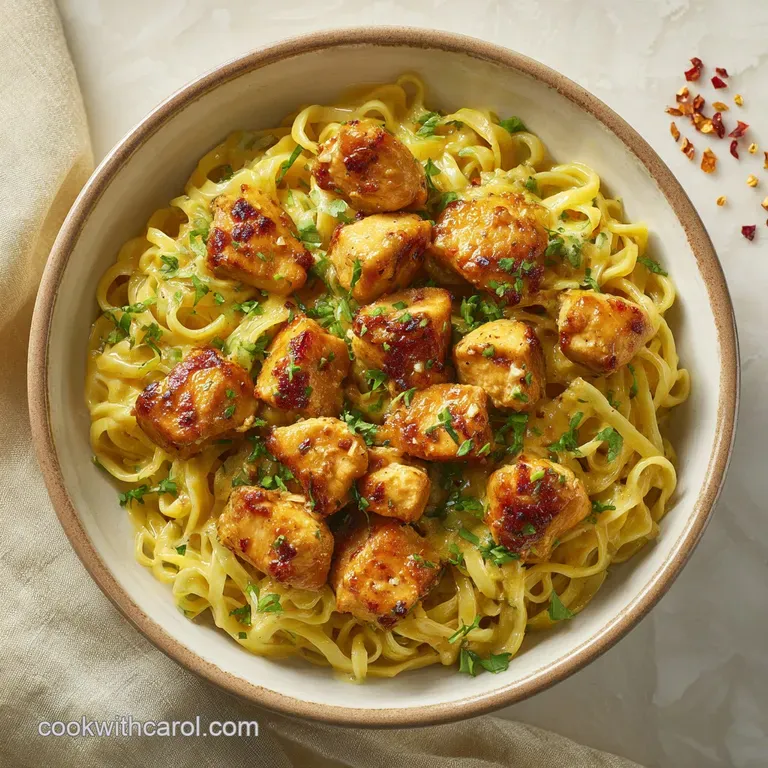
For a professional look, use a wide, shallow bowl. Twist the pasta into a mound in the center and nestle the golden brown chicken cubes on top so they're visible. Sprinkle an extra pinch of fresh parsley and a light dusting of Parmesan over the top.
The bright green against the creamy white and golden chicken makes it look like it came from a bistro.
If you're serving this as part of a larger meal, it pairs beautifully with my Honey BBQ Chicken Garlic Parmesan Potatoes for a full on garlic themed feast. Just make sure you have plenty of water on the table your breath will be legendary!
Recipe FAQs
Is high protein pasta actually good for you?
Yes, it is a nutrient dense alternative. Chickpea pasta provides more fiber and protein than traditional refined wheat pasta, making it more filling.
How many calories does garlic parmesan pasta have?
This specific recipe contains 392 kcal per serving. Using non-fat Greek yogurt instead of heavy cream keeps the calorie count low while maintaining a creamy texture.
What pasta is the highest in protein?
Chickpea pasta is one of the highest protein options available. It naturally contains significantly more protein per serving than standard semolina or whole wheat noodles.
How much protein is in one bowl of pasta?
This bowl provides 36g of protein. The high protein density comes from combining chicken breast, chickpea pasta, Greek yogurt, and Parmesan cheese.
How to prevent the sauce from separating?
Reduce skillet heat to medium low before adding Greek yogurt. Slowly whisk in the reserved pasta water to ensure the sauce becomes velvety and smooth without curdling.
Can I freeze this pasta bowl?
No, freezing is not recommended. The Greek yogurt tends to separate and become grainy when thawed and reheated, which ruins the sauce's texture.
Is it true that chickpea pasta must be overcooked to soften?
No, this is a common misconception. You should cook it until just al dente, as chickpea pasta overcooks very quickly and can become mushy.
High Protein Garlic Parmesan Pasta