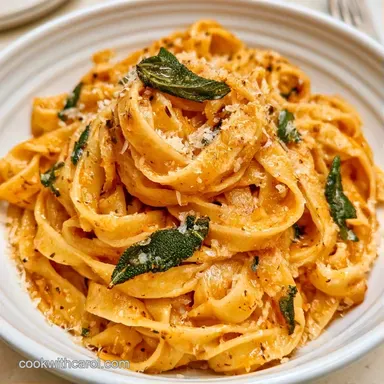
Brown Butter Sage Pasta in 25 Minutes
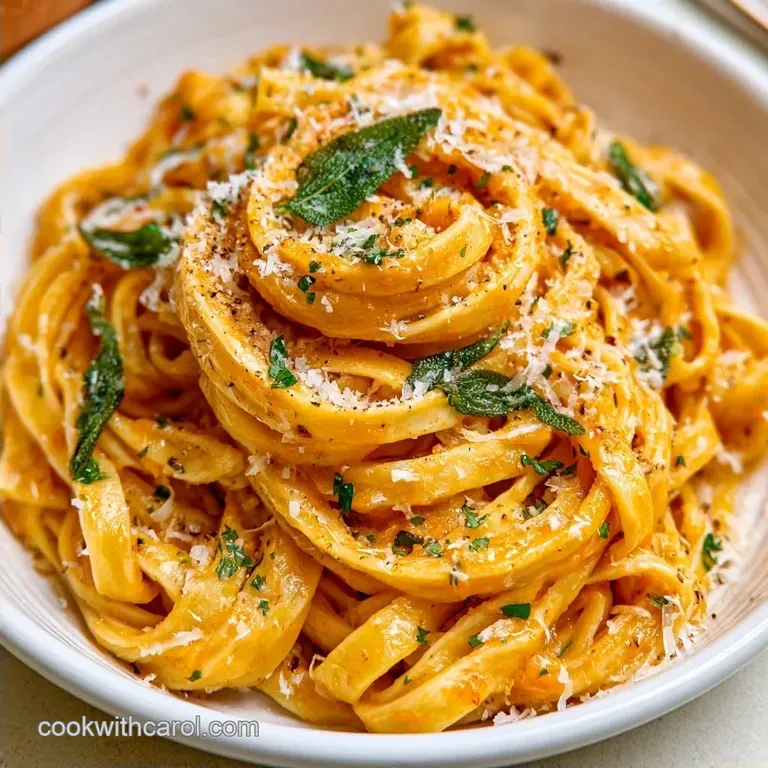
- Time: 5 minutes prep + 20 minutes stove time
- Key Notes: Toasted hazelnut aroma with crisp sage
- Perfect for: A fast weeknight dinner that feels fancy
Brown Butter Sage Pasta
That sound of butter foaming in a pan is one of the best noises in the kitchen. For a long time, I thought browning butter was a high stakes gamble. I was convinced that one second of distraction would turn my dinner into a bitter, burnt mess.
But here is the thing: you don't need a chemistry degree to get this right. You just need to watch the color change and trust your nose. When that smell hits the "toasted nut" stage, you've won.
This Brown Butter Sage Pasta is basically a cheat code for dinner. It uses pantry staples to create a sauce that tastes like it took hours to simmer, but it actually comes together in 25 minutes.
Why It Actually Works
- Toasted Milk Solids: Simmering the butter evaporates the water, letting the proteins toast. This changes the flavor from creamy to a deep, nutty profile.
- Pasta Water Emulsion: Adding starchy water to the fat creates a stable bond. This prevents the sauce from separating and helps it cling to the noodles.
If you're into this kind of flavor profile, you'll probably love my Squash Pasta for 4 recipe which uses similar nutty notes.
| Component | Fresh Sage | Dried Sage | Impact |
|---|---|---|---|
| Texture | Shatters when bitten | Gritty/Soft | Fresh is much better |
| Aroma | Bright and peppery | Muted and earthy | Fresh is more punchy |
| Cooking | Fries in butter | Infuses in butter | Fresh adds a crunch |
Recipe Specs
Here is the timing breakdown. The process is simple, but keeping an eye on the clock is important.
- Prep time: 5 minutes
- Cook time: 20 minutes
- Total time: 25 minutes
- Yield: 4 people
The Main Ingredients
I recommend a broad pasta like pappardelle for this dish, as the larger surface area helps the sauce cling to the noodles.
| Ingredient | Role | If You Don't Have It |
|---|---|---|
| Unsalted Butter | Base flavor and fat | Salted butter (reduce added salt) |
| Fresh Sage | Aromatic herb | Dried sage (use 1 tsp) |
| Parmesan | Salt and thickness | Pecorino Romano |
| Pasta Water | Binding agent | A splash of chicken broth |
Gather these ingredients before you start:
- 1 lb (450g) spaghetti, fettuccine, or pappardelle Why this? Wide noodles hold the butter sauce better.
- 2 tbsp (30g) kosher salt Why this? Essential for seasoning the pasta from the inside.
- 8 tbsp (113g) unsalted butter Why this? Pure butter allows you to control the salt levels.
- 20 fresh sage leaves Why this? They crisp up and taste like savory chips.
- 1/2 cup (120ml) reserved pasta water Why this? The starch is the glue for the sauce.
- 1/2 cup (50g) Parmesan, freshly grated Why this? Adds a sharp, salty finish.
- 1 tbsp (15ml) lemon juice, fresh Why this? Cuts through the heavy fat of the butter.
- 1/2 tsp (3g) cracked black pepper Why this? Adds a subtle heat.
- Salt to taste
Chef Note: Don't use the pre shredded cheese in a green can. It's coated in potato starch which makes the sauce grainy instead of smooth. Grate your own block.
Kitchen Tools Needed
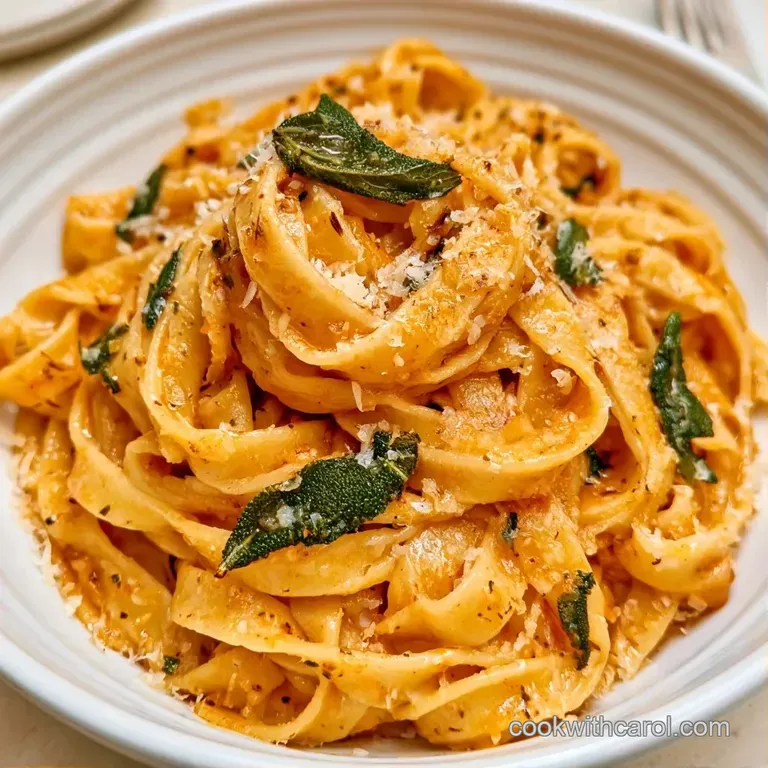
I highly suggest using a light colored skillet. If you use a black non stick pan, it's almost impossible to see when the butter turns from golden to mahogany.
- Large pot for boiling pasta
- Light colored stainless steel or aluminum skillet
- Tongs or a pasta fork
- Measuring cups and spoons
- Fine grater for the cheese
Step by step Cooking
Let's dive in. The aim is to time the pasta so it finishes just as the butter reaches its ideal color.
Phase 1: The Pasta Foundation
- Bring a large pot of water with 2 tbsp kosher salt to a rolling boil.
- Add your pasta. Cook until al dente, which is typically 1-2 minutes before the package's suggested time.
- Important: Before draining, reserve 1 cup of the starchy pasta water. Set it aside, then drain the noodles.
Phase 2: The Brown Butter
- Set a skillet over medium heat and add the butter. Let it melt until it starts to bubble and foam.
- Once the foam subsides, stir in the 20 sage leaves.
- Continue cooking, stirring occasionally, until the milk solids turn a deep mahogany brown and give off a toasted, nutty aroma. Immediately remove the pan from the heat to avoid burning.
Phase 3: The Final Emulsion
- Return the pan to low heat. Carefully whisk in 1/2 cup of the reserved pasta water.
- Toss the cooked pasta into the skillet. Stir constantly over low heat for 1-2 minutes until the sauce transforms into a glossy glaze.
- Mix in the Parmesan, lemon juice, and black pepper. Taste the dish, adding a pinch more salt if needed.
Fixing Common Problems
If the butter goes from brown to black in a heartbeat, your heat was too high. Burnt butter tastes bitter and acrid, and you can't fix it once it's gone. If you see black specks, it's better to wipe the pan and start over.
Another common issue is the sauce looking oily. This usually happens if you didn't whisk the pasta water in well enough or if you didn't use enough water. The starch in the water is what creates that silky emulsion.
Finally, if your cheese clumps, you might have had the pan too hot. The cheese should melt into the sauce, not turn into a ball of rubber.
| Problem | Root Cause | Solution |
|---|---|---|
| Bitter taste | Butter burnt (black specks) | Start over with lower heat |
| Oily sauce | Not enough pasta water | Add 2 tbsp more water and whisk |
| Clumpy cheese | Pan temperature too high | Remove from heat before adding cheese |
What to Serve With It
Because this dish is so buttery and indulgent, a bright or tangy side helps offset the richness. An arugula salad with a lemon based dressing works perfectly.
To make this a more filling meal, I recommend adding a protein. Sausage pairs beautifully with brown butter and sage simply brown the sausage in the pan before starting the butter. For a vegetarian alternative, sautéed mushrooms provide a wonderful earthy depth.
For a completely different take on pasta, my Homemade Italian Dressing Pasta recipe is a lighter, zesty alternative.
Keeping and Reheating
While this meal is most delicious fresh, you can still store any leftovers. Keep them in an airtight container in the refrigerator for 3 days.
The butter will have hardened by the time you're ready to reheat. Avoid using a high microwave setting, as the fat may separate; rather, warm the pasta in a pan over low heat with a tablespoon of water or broth. This helps bring the emulsion back together.
To avoid waste, keep the leftover pasta water. If you're preparing potatoes, use that starchy liquid to thicken a mash or give a vegetable soup more body.
Changing Up the Recipe
You can easily tweak this to fit what's in your fridge. Here are a few ways to do it:
For the Squash Lovers
To make Brown Butter Sage Pasta with Butternut Squash, cube some squash and roast it at 400°F for 20 minutes. Toss the roasted cubes in at the very end with the cheese.
For Ravioli
This sauce is a classic for Brown Butter Sage Ravioli. Use store-bought pumpkin or ricotta ravioli. Follow the same butter process but skip the pasta water emulsion since ravioli doesn't absorb sauce the same way.
For a dairy-free Version
Use a high-quality vegan butter substitute and nutritional yeast instead of Parmesan. Note that vegan butter has a different water content, so it might brown faster or slower than cow's butter.
Decision Shortcut
- For a heartier meal: Add 1/2 lb of browned Italian sausage.
- For more brightness: Double the lemon juice to 2 tbsp.
- For extra crunch: Fry the sage leaves separately in oil first.
Recipe FAQs
How do I make brown butter and sage pasta?
Melt butter over medium heat until foaming, fry the sage until mahogany, then emulsify with reserved pasta water and toss with noodles.
Tip: Remove the pan from heat immediately once the butter browns to avoid scorching.
What is brown butter and sage sauce?
It is a nutty emulsion created by toasting butter solids and infusing them with fresh sage leaves.
Tip: Use a light colored skillet to monitor the color change accurately.
Can brown butter work well with pasta?
The toasted flavor provides a rich depth that complements the neutrality of the pasta.
Tip: Freshly grated Parmesan enhances the savoriness of the butter.
Which sides pair best with this meal?
Lean proteins or roasted greens balance the richness of the sauce.
Tip: If you enjoyed the bright notes of the lemon here, see how the same flavor profile works in our pan-seared chicken.
Why is reserved pasta water used?
The starchy liquid binds the fats and solids into a glossy, clinging glaze.
Tip: Reserve at least one full cup before draining the pasta.
Is it true that the butter must be completely black to be brown butter?
No, this is a common misconception.
Tip: Stop cooking when the solids reach a mahogany hue to prevent a bitter, burnt taste.
Does using dried sage produce the same result?
That's a myth.
Tip: Stick with fresh leaves to get the signature crisp texture and aromatic punch.
Brown Butter Sage Pasta