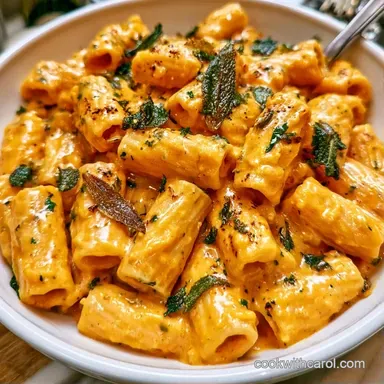
Creamy Butternut Squash Sage Pasta
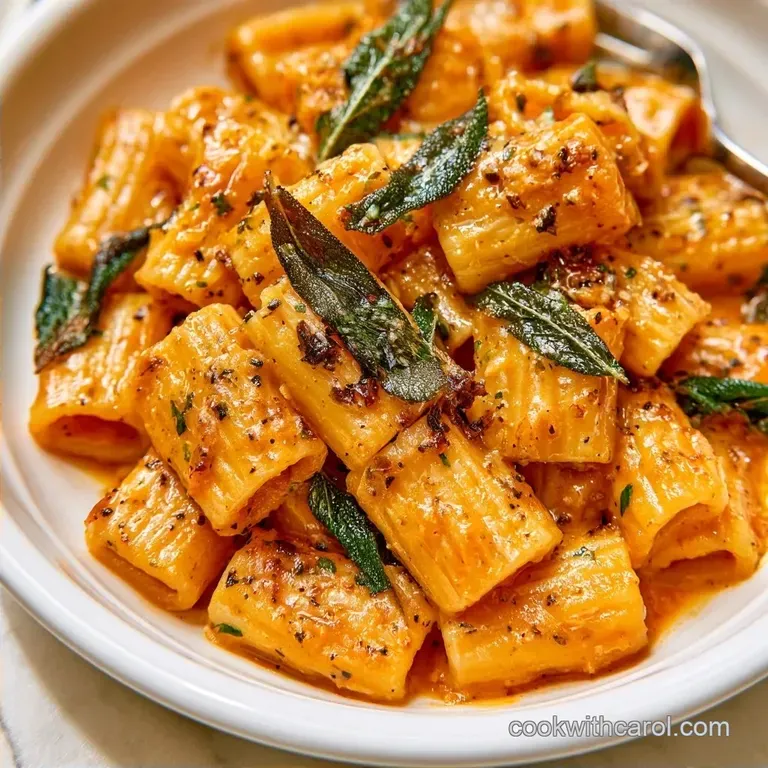
- Time: 10 min active + 35 min cooking
- Flavor/Texture Hook: Nutty brown butter and a smooth, creamy sauce
- Perfect for: A fast but fancy weeknight dinner
The smell of sage frying in butter is honestly one of my favorite things in the world. It’s that specific, nutty aroma that tells you autumn has officially arrived in the kitchen.
I used to think making a squash sauce took forever, but I've found a way to get those deep, roasted flavors without spending the whole evening at the stove.
You don't need a professional setup to get this right. The goal is a sauce that clings to the pasta and a few shattering, crispy leaves on top for texture. This Butternut Squash Sage Pasta hits that spot where it feels like a restaurant dish but takes less than an hour from start to finish.
It's a budget friendly win too. Squash is usually cheap this time of year, and a few basic pantry staples do most of the heavy lifting. We're focusing on high heat and a few smart swaps to keep things simple.
Butternut Squash Sage Pasta
Over High heat Roasting: Cooking at 425°F browns the edges of the squash. This creates a concentrated sweetness that you just don't get from boiling.
Starch Binding: Using the salty, cloudy pasta water helps the puree stick to the rigatoni instead of sliding off.
Brown Butter: Toasting the butter until it foams adds a savory, toasted note that balances the natural sugar in the squash.
Tools You Will Need
You'll need a standard sheet pan for the roasting part. A blender or an immersion blender is a must to get the sauce smooth. For the finish, a wide skillet works best so the butter has room to bubble and the sage doesn't crowd.
What Each Ingredient Does
| Ingredient | Role | If You Don't Have It |
|---|---|---|
| Butternut Squash | Base body and sweetness | Pumpkin or Kabocha squash |
| Fresh Sage | Earthy, aromatic punch | Fresh thyme or rosemary |
| Parmesan | Salt and savory depth | Pecorino Romano or nutritional yeast |
| Lemon Juice | Cuts through the richness | Apple cider vinegar |
Ingredient List and Swaps
- 2 lbs butternut squash, peeled and diced into 1/2 inch cubes Why this? Consistent sizing ensures everything roasts evenly
- 2 tbsp olive oil (Alternative: Melted butter for a richer flavor)
- 1 tsp salt
- 1/2 tsp black pepper
- 4 peeled garlic cloves
- 1 lb rigatoni or penne pasta (Alternative: Fusilli for better sauce adhesion)
- 6 tbsp unsalted butter (Alternative: Vegan butter for a dairy-free option)
- 20 fresh sage leaves (Alternative: Fresh thyme)
- 1/2 cup grated parmesan cheese (Alternative: Pecorino Romano)
- 1 tbsp lemon juice (Alternative: White wine vinegar)
- 1/2 cup pasta water
From Prep to Plate
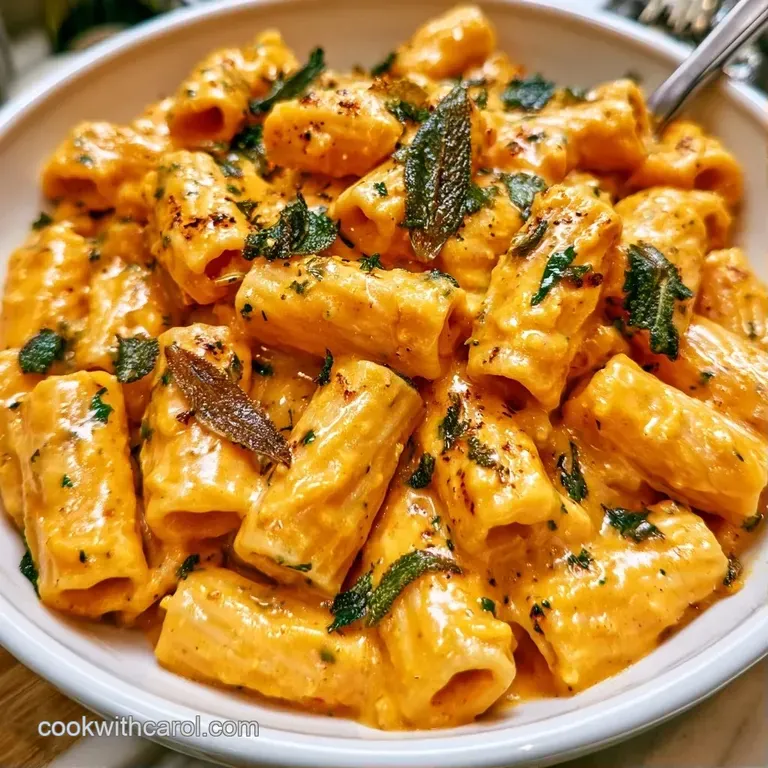
Developing the Roast
- Preheat your oven to 425°F (218°C).
- Spread cubed butternut squash and whole garlic cloves on a sheet pan, tossing with olive oil, salt, and pepper in a single layer.
- Roast for 20–25 minutes until the squash is tender and golden brown.
Blending the Base
- Move the roasted squash and garlic to a blender; incorporate lemon juice and a splash of pasta water.
- Puree on high until completely smooth, adding more pasta water as needed to achieve a heavy cream consistency.
Final Assembly
- Boil the pasta in salted water per package instructions, reserving 1 cup of the cooking liquid before draining.
- Melt butter in a large skillet over medium heat, swirling continuously until it foams and smells nutty.
- Fry the sage leaves in the brown butter for 30 60 seconds until crisp, then remove them with a fork and set aside.
- Toss the cooked pasta with the butternut squash puree and brown butter, stirring in parmesan cheese until emulsified.
- Serve immediately, topped with the fried sage leaves.
Pro Tips & Pitfalls
Fixing a Grainy Sauce
Sometimes the squash fibers stay a bit chunky. If you want a truly silky finish, just pass the blended puree through a fine mesh sieve before it hits the pan. It takes two minutes but makes a huge difference in the mouthfeel.
Preventing Burnt Butter
Brown butter is temperamental. It goes from "perfectly nutty" to "burnt and bitter" in about ten seconds. As soon as you see the brown bits forming at the bottom and it smells like toasted hazelnuts, move to the next step.
Managing Sauce Thickness
The puree can thicken up quickly once it hits the hot pasta. Keep that reserved pasta water handy. Stir in a tablespoon at a time until the sauce looks glossy and moves easily.
| Problem | Root Cause | Solution |
|---|---|---|
| Sauce is too thick | Not enough pasta water | Stir in reserved water 1 tbsp at a time |
| Sage leaves burnt | Heat too high | Keep butter foaming, don't let it smoke |
| Bland flavor | Lack of acid/salt | Add an extra squeeze of lemon or more parmesan |
Make-ahead and Leftover Tips
Store leftovers in the fridge for around 4 days. The sauce will likely thicken, so add a small amount of butter or a dash of water before microwaving to bring back that smooth, creamy consistency.
I don't suggest freezing this, since the puree can separate and become grainy. To minimize waste, save organic squash peels in a freezer bag with other vegetable scraps to use for stock later. You can also roast the seeds with a pinch of salt for a crunchy snack.
Make It Your Own
To boost the protein content, this Butternut Squash Sage Pasta pairs beautifully with seared scallops or crumbled Italian sausage. Simply brown your choice of protein in the pan before beginning the butter stage.
To make this vegan, substitute the parmesan with nutritional yeast and use a premium plant based butter. The roasted squash offers plenty of natural creaminess, ensuring the flavor remains rich. For a more minimalist meal, try my Brown Butter Sage Pasta, which omits the puree.
If you have more harvest squash on hand, a Butternut Squash Potage makes an excellent appetizer.
Customization Guide
| Goal | What to change |
|---|---|
| More Heat | Stir 1/2 tsp red pepper flakes into the butter |
| Extra Greens | Fold in two handfuls of fresh baby spinach at the end |
| Nutty Crunch | Garnish with toasted pecans or walnuts |
Serving Suggestions
I recommend plating this in shallow bowls, finished with a sprinkle of parmesan. Adding a bit of freshly cracked black pepper helps bring out all the flavors.
Because this dish is so indulgent, it pairs well with a zesty side. A fresh arugula salad tossed in lemon dressing balances the buttery richness perfectly. For a more elegant touch, try a chilled glass of white wine or some sparkling cider to lean into that autumn feeling.
The highlight of the dish is definitely the interplay between the tender pasta and those crisp, fragile sage leaves.
High in Sodium
840 mg 840 mg of sodium per serving (37% 37% of daily value)
The American Heart Association recommends limiting sodium intake to no more than 2,300 mg per day for most adults.
Tips to Reduce Sodium
-
Omit Added Salt-25%
Remove the 1 tsp of salt and rely on lemon juice and zest to provide the acidity and brightness that mimics the taste of salt.
-
Reduce Parmesan Cheese-15%
Cut the parmesan cheese in half or substitute a portion with nutritional yeast for a similar nutty, salty flavor with significantly less sodium.
-
Control Pasta Water-10%
Boil your pasta in unsalted water, as the cheese and butter in the sauce will provide enough seasoning for the noodles.
-
Boost Aromatics
Increase the amount of fresh sage or add a pinch of ground nutmeg to enhance the natural earthiness of the butternut squash.
Recipe FAQs
What flavors pair best with butternut squash and sage?
Nutty brown butter and salty parmesan balance the natural sweetness of the squash.
Tip: If you enjoyed balancing these earthy tones, see how we use a similar profile in our pumpkin lasagna.
How to get a creamy sauce without using cream?
Blend roasted squash and garlic with starchy pasta water until smooth.
Tip: Add the pasta water gradually to reach your desired heavy cream consistency.
Is it true you have to boil the squash for a smooth puree?
That's a myth. Roasting at 425°F creates a more concentrated flavor and smooth texture.
Tip: Roast the squash on a sheet pan in a single layer to ensure golden brown edges.
Can I substitute the rigatoni with another pasta?
Use penne or other short tubes that can trap the thick sauce.
Tip: Always salt your boiling water generously to season the pasta from within.
Why should the butter be browned before adding the sage?
Browning the butter develops a toasted aroma that cuts through the richness of the puree.
Tip: Fry the sage for only 30 60 seconds to keep them crisp without burning.
Butternut Squash Sage Pasta