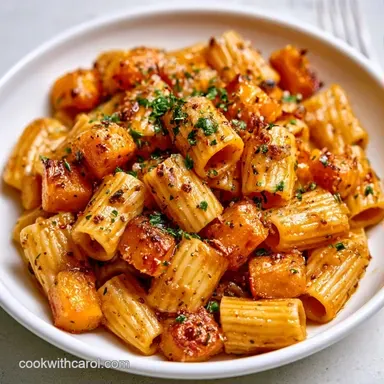
Brown Butter Butternut Squash Pasta in 40 Minutes
- Time: 10 minutes prep + 30 minutes cooking
- Key Highlight: Toasted, nutty butter with crisp sage leaves
- Perfect for: A comforting autumn weeknight meal
Brown Butter Butternut Squash Pasta
There are few aromas more inviting than butter browning in a skillet. It begins with a quiet melt, turns to a frothy foam, and then transforms into a rich, nutty fragrance. It's my favorite meal for those early, damp October evenings when the chill sets in and you crave something deeply soothing.
You don't need professional equipment or formal training to master this. Success comes down to patience and keeping a close eye on the pan. This Brown Butter Butternut Squash Pasta uses a handful of basic ingredients to deliver a luxurious, gourmet style dinner in less than an hour.
The result is a perfect balance between the squash's natural sweetness and the earthy, savory bite of fried sage. It is filling, cozy, and presents as a far more complex dish than it is to actually prepare.
Quick Recipe Breakdown
To get the timing right, follow this flow. Get your water boiling first, then handle the squash while the pasta cooks. Finally, brown the butter and toss everything together at the very end.
| Method | Time | Effort | Result |
|---|---|---|---|
| Stovetop | 30 min | Medium | Deep caramelization and faster cook |
| Oven Roast | 45 min | Low | Even cooking and hands off prep |
- - For more tang
- add an extra squeeze of lemon at the end.
- - For extra crunch
- toss in toasted walnuts or pecans.
- - For a protein boost
- stir in cooked pancetta or sausage.
Everything You Need
Get your ingredients measured out before you turn on the heat. The butter browns fast, so you don't want to be chopping garlic while the pan is smoking.
| Component | Purpose | Substitute Notes |
|---|---|---|
| Butternut Squash | Base sweetness and body | Pumpkin cubes work, but they're softer |
| Unsalted Butter | Nutty flavor and richness | Salted butter works, just cut the added salt |
| Fresh Sage | Earthy, aromatic contrast | Dried sage is less punchy; use 1 tsp |
| Parmesan Cheese | Salty, umami finish | Pecorino Romano for a sharper taste |
- 1 lb (450g) Rigatoni or Penne pasta Why this? Ridges hold onto the butter sauce better
- 3 cups (710ml) Butternut squash, peeled and cut into ½ inch cubes
- 2 tbsp (30ml) Olive oil
- ½ tsp (3g) Salt
- ¼ tsp (1g) Black pepper
- 6 tbsp (85g) Unsalted butter
- 12-15 fresh sage leaves
- 3 cloves (9g) Garlic, minced
- ½ cup (120ml) Reserved pasta water
- ½ cup (50g) Parmesan cheese, freshly grated
- ¼ tsp (1g) Nutmeg
- A squeeze of fresh lemon juice
The Gear I Use
While you'll obviously need a big pot for the pasta, the skillet is the real star here. Using a pan made of cast iron or stainless steel is ideal since they retain the heat necessary to sear the squash perfectly.
Gather a colander, a sharp chef's knife for prepping the squash, and a microplane for the Parmesan. Freshly grated cheese melts far more evenly than store-bought shredded varieties, which frequently contain potato starch coatings.
Step by step Guide
Step 1: Boiling the Pasta
Get a big pot of salted water boiling. Toss in the pasta and cook it until al dente. CRITICAL: Reserve 1 cup of the starchy pasta water before you drain the noodles.
Step 2: Searing the Squash
Place a large skillet over medium high heat with olive oil. Arrange the butternut squash cubes in one layer. Let them brown without stirring for 3-4 minutes until golden brown. Stir and continue cooking for 5-7 minutes until soft.
Add salt and pepper, then set the squash aside.
Step 3: Nutty Brown Butter
Reduce the skillet to medium heat and melt the butter. Whisk steadily until it foams and reaches a dark mahogany hue with a nutty smell. Quickly toss in the sage leaves for 30-60 seconds until crisp. Mix in the garlic and nutmeg for 30 seconds.
Step 4: Combining Everything
Put the seared squash and pasta back into the skillet. Add ½ cup of the saved pasta water and stir over medium heat for 2 minutes to create a glossy, creamy sauce.
Take it off the heat. Mix in the lemon juice and grated Parmesan.
Why This Sauce Works
Pasta Water: The starch in the water acts as a bridge between the fat in the butter and the moisture in the squash.
Searing First: Browning the squash in oil before adding butter prevents the butter from burning while the vegetables soften.
Fixing Common Problems
Burnt Butter Fix
If the butter turns black or smells acrid, it's gone too far. It will make the whole dish taste bitter, so don't risk it. Wipe the pan clean with a paper towel and start the butter process over. Watch for the foam to subside, as that's the sign it's almost ready.
Mushy Squash Fix
This usually happens if the cubes are different sizes or the pan is overcrowded. Keep your cuts to a consistent ½ inch. If they're turning to mush, increase the heat and don't stir them too often. Serious Eats' testing suggests that a over high heat sear is what keeps the shape while developing flavor.
Sauce Too Thin
If the butter isn't coating the pasta and is just pooling at the bottom, you need more emulsion. Add another splash of pasta water and toss vigorously over medium heat for another minute. The Parmesan also helps thicken things up as it melts.
Keeping Leftovers Fresh
Store any leftover pasta in a sealed container; it will keep in the fridge for 3 days. The squash holds up well, although the pasta tends to soak up some of the sauce over time.
To reheat, add a small knob of butter or a splash of water to a pan over medium heat. This restores the sauce so the dish doesn't taste dry. I don't recommend freezing this recipe, as the squash can become grainy and the emulsion often breaks upon thawing.
For a zero waste option, save your butternut squash peels. Toss them in salt and olive oil, then roast at 400°F for 10 minutes for a crispy, healthy snack.
Different Ways to Serve
This Brown Butter Butternut Squash Pasta is a great base for other flavors. If you want something meatier, try adding some browned pancetta or spicy Italian sausage during the squash searing phase.
For those who want a different twist on the sauce, you might enjoy a Butter Pasta for 4 recipe for a saltier, Greek inspired vibe. If you're in a rush and don't have fresh squash on hand, a brown butter sage pasta is a faster alternative.
If you prefer a completely different texture, my One Pot Butternut Squash Orzo recipe is a fantastic option for those who like a risotto style consistency.
Making it Look Great
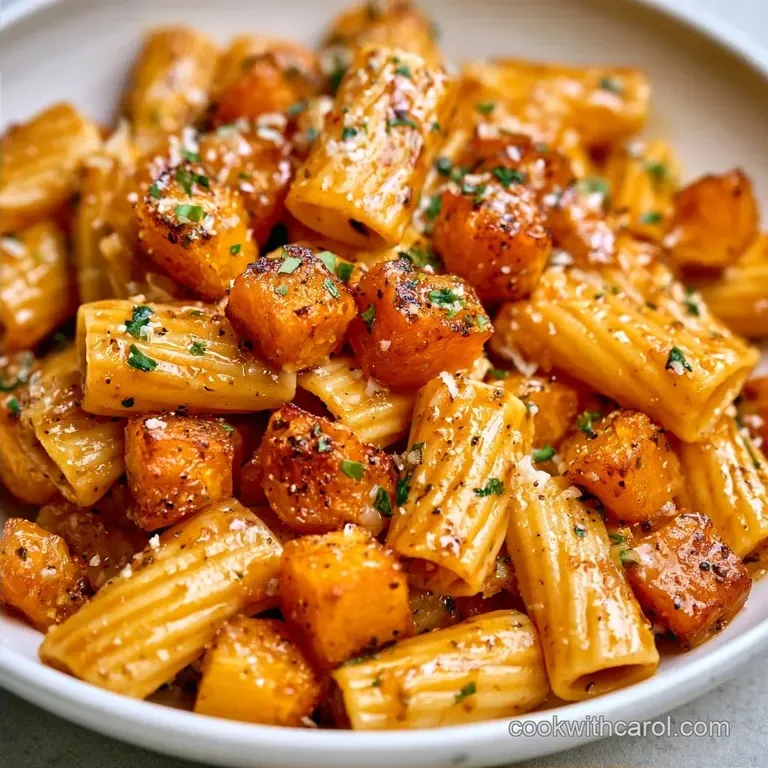
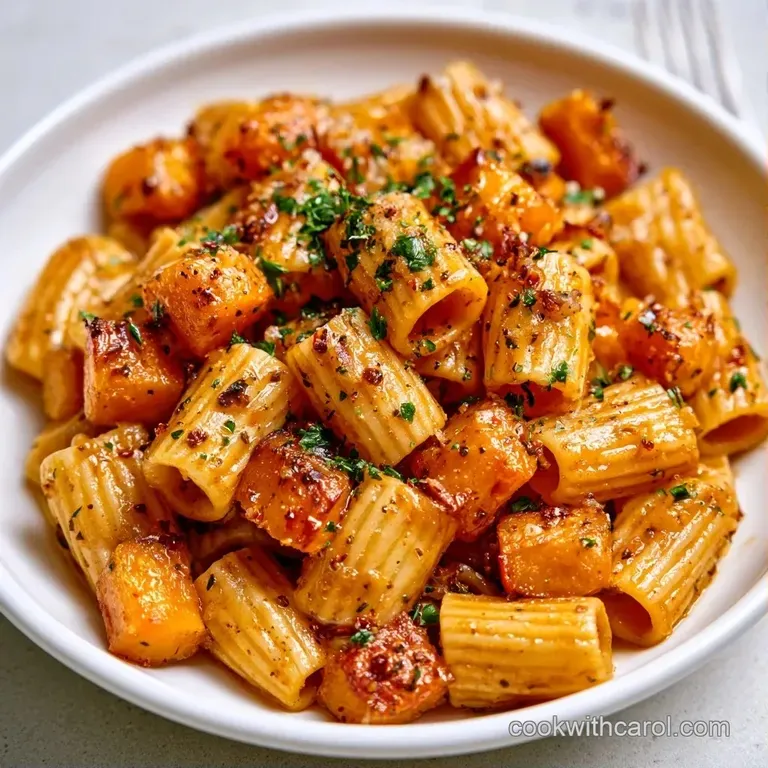
Plate the pasta in wide bowls to show off the colors. Use tongs to twirl the noodles into a nest, then spoon the caramelized squash cubes and crisp sage leaves over the top.
Finish the dish with a final dusting of Parmesan and a crack of fresh black pepper. The contrast between the orange squash, green sage, and white cheese makes this Brown Butter Butternut Squash Pasta look like it came from a high end bistro.
Serve it immediately while the butter is still glossy and the sage is shattering.
Recipe FAQs
What sauce goes best with butternut squash pasta?
A nutty brown butter sauce with sage and garlic perfectly balances the sweet squash.
Tip: add a squeeze of lemon juice at the end to cut through the richness.
How do you make the brown sage butter?
Melt butter over medium heat and stir constantly until it turns a deep mahogany color.
Tip: add the sage leaves immediately after browning to crisp them in seconds.
Is it true that brown butter is too bitter for pasta?
No, and here's why. Correct browning caramelizes the milk solids into a toasted flavor rather than a bitter one.
Tip: stop the cooking process as soon as you smell a nutty aroma.
Why did my butter burn instead of browning?
The heat was likely too high or the butter was not stirred frequently enough.
Tip: use medium heat to allow the butter to foam and brown gradually.
Can I substitute penne for rigatoni?
Penne is another great choice, as its hollow shape captures the sauce and squash perfectly.
Tip: If you liked this emulsion method, try applying a similar approach to our zesty pasta.
Which method prevents the squash from getting mushy?
Sear the squash cubes undisturbed in olive oil for 3-4 minutes to develop a golden crust.
Tip: remove the squash from the pan before browning the butter to avoid overcooking.
Brown Butter Butternut Squash Pasta